THE ADVENTURE COLLECTIVE® · Independent discovery and booking for outdoor travel

Ride an electric bike through Chapultepec, along Paseo de la Reforma and into the Historic Center, stopping at vibrant markets for curated food tastings. This four-hour urban tour mixes light exercise with cultural context and practical guidance for first-time visitors.
Ride an electric bike through Chapultepec, along Paseo de la Reforma and into the Historic Center, stopping at vibrant markets for curated food tastings. This four-hour urban tour mixes light exercise with cultural context and practical guidance for first-time visitors.
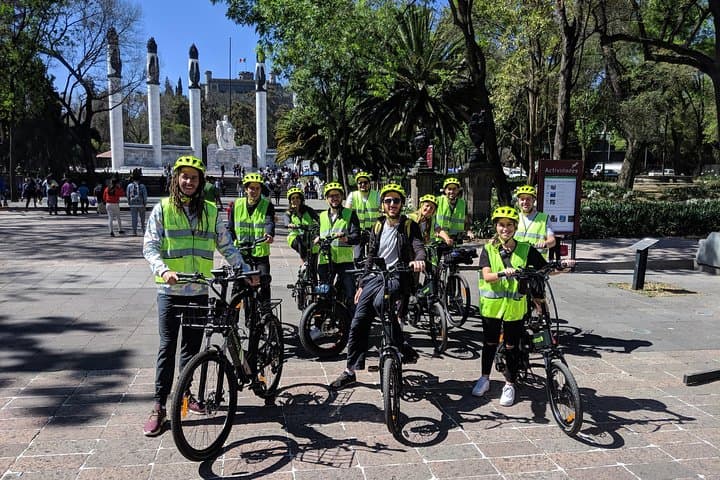
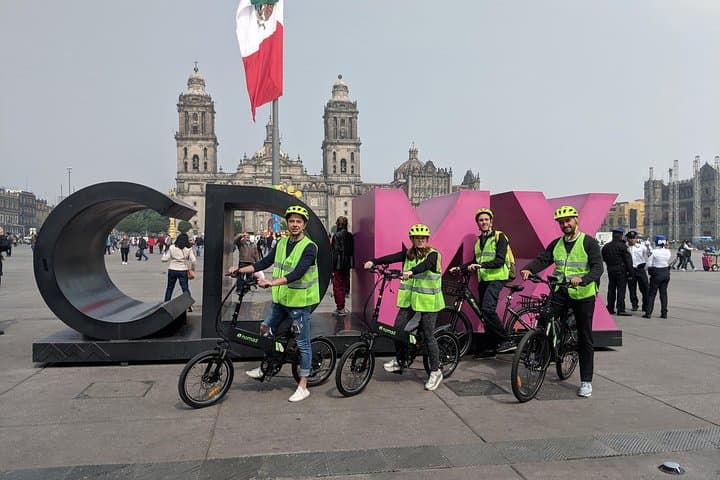
You start on two wheels beneath the cathedral pines of Bosque de Chapultepec, the forest breathing cool air into the city's high-altitude pulse as e-bikes hum under you. The ride eases onto Paseo de la Reforma, wide and sculpted, where statues and fountains mark epochs—Porfirian boulevards giving way to colonial façades—before the group threads into the compact streets of the Historic Center and a teeming market alley full of sharp citrus and slow-roasted meats.
Verified experiences and guided adventures in the surrounding area.
Operated by Nomad Mexico E-Bike Tours · Mexico City, Mexico City
You start on two wheels beneath the cathedral pines of Bosque de Chapultepec, the forest breathing cool air into the city's high-altitude pulse as e-bikes hum under you. The ride eases onto Paseo de la Reforma, wide and sculpted, where statues and fountains mark epochs—Porfirian boulevards giving way to colonial façades—before the group threads into the compact streets of the Historic Center and a teeming market alley full of sharp citrus and slow-roasted meats.
Chapultepec sits on an ancient hill that was prized long before the Spanish conquest; its parkland holds museums and a castle with sweeping views across Mexico City's basin—an elevated city carved from lacustrine clay and volcanic deposits. Reforma, designed in the 19th century, became the ceremonial spine linking power, commerce and public life. Sampling at a market like Mercado de San Juan or a similar Centro stall introduces culinary traditions: antojitos, tamales, escamoles or vegetarian variations, plus aguas frescas and coffee.
Practical side: the tour runs about four hours with multiple stops, mostly on paved streets and protected bike lanes but exposed to traffic. Altitude is real—Mexico City sits around 2,240 m—so hydrate and pace effort. Helmets and vests are provided; bring a small pack for layers, sunscreen and cash for optional bites. Expect flat pedaling with short bursts of city navigation; guides manage the route, point out historical context, and shepherd the group through busy intersections.
This trip suits travelers looking to cover ground efficiently while tasting local food and absorbing the city’s layered history—an urban loop that mixes gentle exercise, street-level culture and practical sightseeing.
easy.
3–4 hours.
Suitable for most fitness levels; basic balance and comfort on a bicycle required.
Yes—these are pedal-assist e-bikes that reduce effort on climbs; guides offer basic instruction and keep the group together.
Stops include curated tastings with vegetarian options available; some optional items may require extra cash.
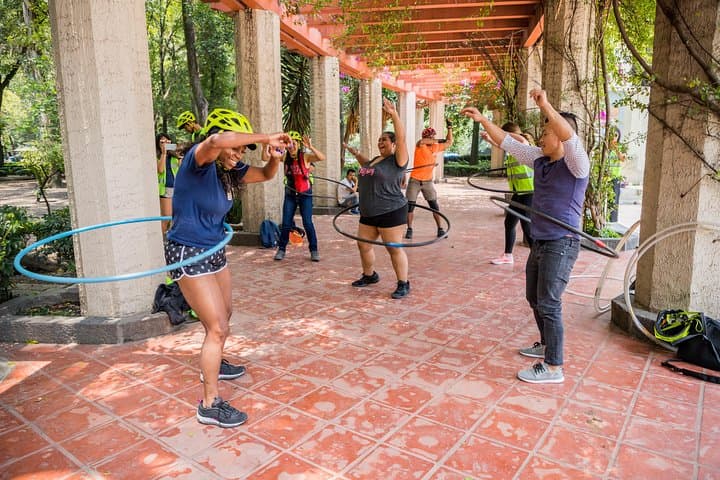
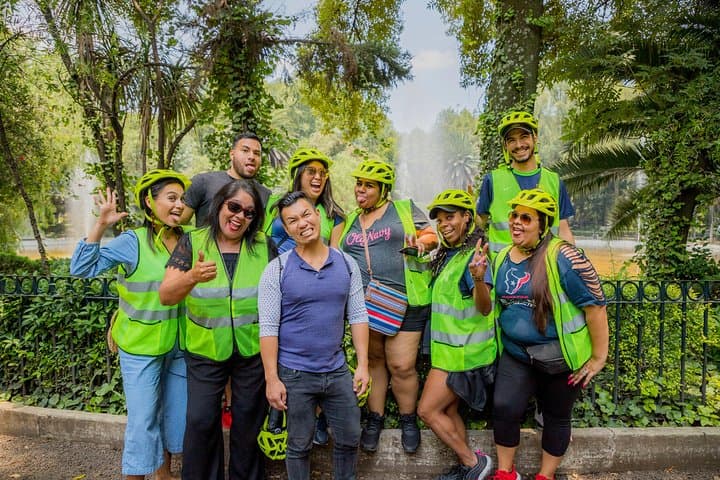
Groups are small (up to about 10 guests) with a relaxed pace and frequent stops for photos, history and samples.
Helmets are provided by the operator, but you may bring your own if you prefer a personal fit.
Chapultepec was a pre-Hispanic hill and later a colonial and imperial leisure ground; Paseo de la Reforma was remodeled in the 19th century to project a modern Mexico City.
Respect park rules in Chapultepec, avoid single-use plastics, and support small vendors to keep economic benefits local; watch for busy pedestrian zones to minimize disturbance.
Nomad Mexico E-Bike Tours operates guided outdoor trips and adventures with an emphasis on safety, stewardship, and memorable experiences.
You start on two wheels beneath the cathedral pines of Bosque de Chapultepec, the forest breathing cool air into the city's high-altitude pulse as e-bikes hum under you. The ride eases onto Paseo de la Reforma, wide and sculpted, where statues and fountains mark epochs—Porfirian boulevards giving way to colonial façades—before the group threads into the compact streets of the Historic Center and a teeming market alley full of sharp citrus and slow-roasted meats.
You start on two wheels beneath the cathedral pines of Bosque de Chapultepec, the forest breathing cool air into the city's high-altitude pulse as e-bikes hum under you. The ride eases onto Paseo de la Reforma, wide and sculpted, where statues and fountains mark epochs—Porfirian boulevards giving way to colonial façades—before the group threads into the compact streets of the Historic Center and a teeming market alley full of sharp citrus and slow-roasted meats.
Chapultepec sits on an ancient hill that was prized long before the Spanish conquest; its parkland holds museums and a castle with sweeping views across Mexico City's basin—an elevated city carved from lacustrine clay and volcanic deposits. Reforma, designed in the 19th century, became the ceremonial spine linking power, commerce and public life. Sampling at a market like Mercado de San Juan or a similar Centro stall introduces culinary traditions: antojitos, tamales, escamoles or vegetarian variations, plus aguas frescas and coffee.
Practical side: the tour runs about four hours with multiple stops, mostly on paved streets and protected bike lanes but exposed to traffic. Altitude is real—Mexico City sits around 2,240 m—so hydrate and pace effort. Helmets and vests are provided; bring a small pack for layers, sunscreen and cash for optional bites. Expect flat pedaling with short bursts of city navigation; guides manage the route, point out historical context, and shepherd the group through busy intersections.
This trip suits travelers looking to cover ground efficiently while tasting local food and absorbing the city’s layered history—an urban loop that mixes gentle exercise, street-level culture and practical sightseeing.