THE ADVENTURE COLLECTIVE® · Independent discovery and booking for outdoor travel

Ride the Cablebús over Iztapalapa, walk through local markets, and taste pulque on a 4–5 hour shared tour that pairs urban transit with neighborhood stories. Ideal for travelers who want a quick, grounded view into Mexico City’s eastern boroughs.
Ride the Cablebús over Iztapalapa, walk through local markets, and taste pulque on a 4–5 hour shared tour that pairs urban transit with neighborhood stories. Ideal for travelers who want a quick, grounded view into Mexico City’s eastern boroughs.
You begin at the Palacio de Bellas Artes as the city exhales around you—trams and commuters threading the center while a guide sketches the route ahead.
Verified experiences and guided adventures in the surrounding area.
Operated by Aibuker Trips · Mexico City, Ciudad de México
You begin at the Palacio de Bellas Artes as the city exhales around you—trams and commuters threading the center while a guide sketches the route ahead.
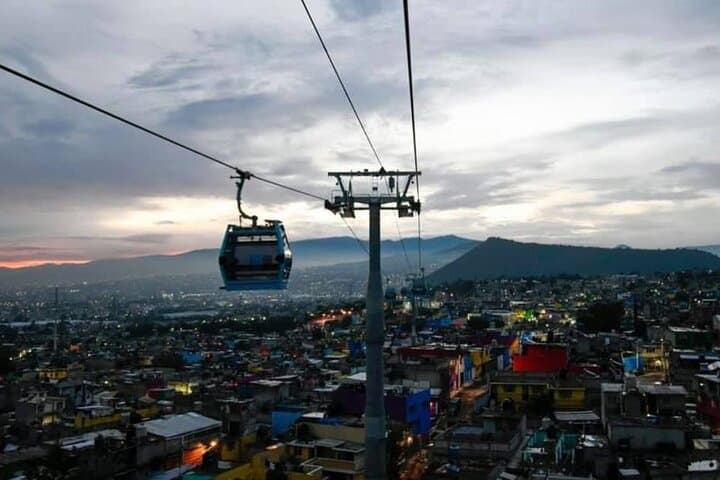
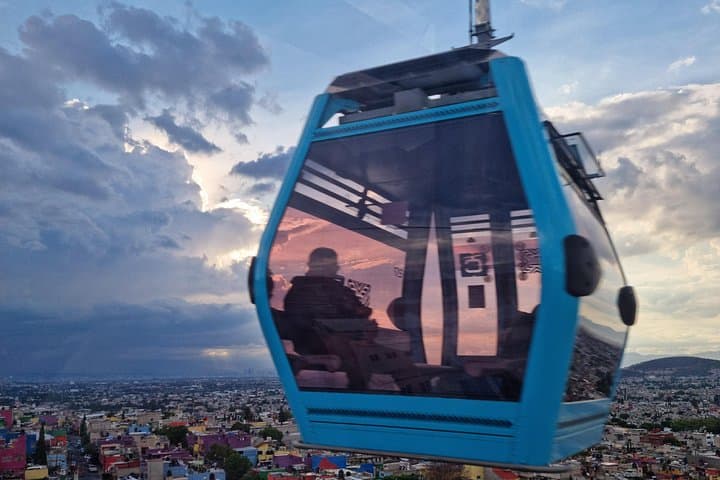
By subway the group slips out of downtown’s stone canyons and into Iztapalapa’s mosaic of murals and mercados. Here the cable car rises above rooftops and painted walls; the gondola lifts you like a bird across the eastern basin, revealing broad cityscapes, street art, and the scale of Mexico City’s urban sprawl.
Iztapalapa carries deep layers of history: a pre-Hispanic presence, centuries of parish life, and the modern fame of its annual Passion Play, one of the largest open-air theatrical traditions in the Americas. The geology beneath the valley is lacustrine—former lakebed clay that has shaped neighborhood patterns and persistent subsidence issues, visible in uneven streets and tilework.
Between viewpoints the tour enters a local market where tacos steam on the comal and vendors narrate recipes. The final stop is a downtown bar for pulque, a fermented agave drink with pre-Hispanic roots (served only to guests 18+).
Practical guidance: expect 4–5 hours of walking and public-transit transfers; bring comfortable walking shoes, a charged metro card or small cash for fares, sun protection, and a face mask for crowded cars. The cable car offers steady, low-impact sightseeing but isn’t advised for people with serious spinal injuries. Peak hours mean busier stations—aim for mornings to avoid rush-hour crowds.
This blend of metro, market, and aerial perspective packs a condensed urban adventure: sensory, civic, and rooted in local tradition.
easy.
4–5 hours.
Suitable for most fitness levels — includes walking, standing on transit, and short climbs into cable car cabins
The tour lasts approximately 4–5 hours, including subway transfers, museum stops, cable car rides, and market visits.
Yes — the itinerary includes cable car segments and transportation tickets as part of the tour.
Children can join, but infants must sit on an adult’s lap and alcoholic pulque will only be served to guests 18 and older.
It is not recommended for travelers with spinal injuries due to transit movements and entering/exiting cable car cabins.
Iztapalapa has pre-Hispanic roots and is famed for its large annual Passion Play; the area evolved through colonial parish systems into a dense, working-class borough.
Public transit and the cable car are part of Mexico City’s efforts to reduce car dependency; visitors should minimize waste in markets and respect vendor spaces.
Aibuker Trips operates guided outdoor trips and adventures with an emphasis on safety, stewardship, and memorable experiences.


You begin at the Palacio de Bellas Artes as the city exhales around you—trams and commuters threading the center while a guide sketches the route ahead.
You begin at the Palacio de Bellas Artes as the city exhales around you—trams and commuters threading the center while a guide sketches the route ahead.
By subway the group slips out of downtown’s stone canyons and into Iztapalapa’s mosaic of murals and mercados. Here the cable car rises above rooftops and painted walls; the gondola lifts you like a bird across the eastern basin, revealing broad cityscapes, street art, and the scale of Mexico City’s urban sprawl.
Iztapalapa carries deep layers of history: a pre-Hispanic presence, centuries of parish life, and the modern fame of its annual Passion Play, one of the largest open-air theatrical traditions in the Americas. The geology beneath the valley is lacustrine—former lakebed clay that has shaped neighborhood patterns and persistent subsidence issues, visible in uneven streets and tilework.
Between viewpoints the tour enters a local market where tacos steam on the comal and vendors narrate recipes. The final stop is a downtown bar for pulque, a fermented agave drink with pre-Hispanic roots (served only to guests 18+).
Practical guidance: expect 4–5 hours of walking and public-transit transfers; bring comfortable walking shoes, a charged metro card or small cash for fares, sun protection, and a face mask for crowded cars. The cable car offers steady, low-impact sightseeing but isn’t advised for people with serious spinal injuries. Peak hours mean busier stations—aim for mornings to avoid rush-hour crowds.
This blend of metro, market, and aerial perspective packs a condensed urban adventure: sensory, civic, and rooted in local tradition.