THE ADVENTURE COLLECTIVE® · Independent discovery and booking for outdoor travel

Pedal through Roma and Centro to a Pulque tasting and an iconic Lucha Libre match. This 4–5 hour urban bike tour blends architecture, pre-Hispanic drink culture and high-energy wrestling in one compact route.
Pedal through Roma and Centro to a Pulque tasting and an iconic Lucha Libre match. This 4–5 hour urban bike tour blends architecture, pre-Hispanic drink culture and high-energy wrestling in one compact route.
You roll out from a leafy Roma square with the city’s altitude already in the lungs and the clack of gears setting the rhythm. Streets flatten and rise in short, urban pitches; neighbors watch from café tables as your small group threads alleys toward plazas that carry layers of Mexico City history. The tour moves at a steady, social pace—stops to point out colonial facades, a bronze replica of David, and murals that mark the city’s 20th-century rebirth.
Verified experiences and guided adventures in the surrounding area.
Operated by La pedaleada · Mexico City, Ciudad de México
You roll out from a leafy Roma square with the city’s altitude already in the lungs and the clack of gears setting the rhythm. Streets flatten and rise in short, urban pitches; neighbors watch from café tables as your small group threads alleys toward plazas that carry layers of Mexico City history. The tour moves at a steady, social pace—stops to point out colonial facades, a bronze replica of David, and murals that mark the city’s 20th-century rebirth.
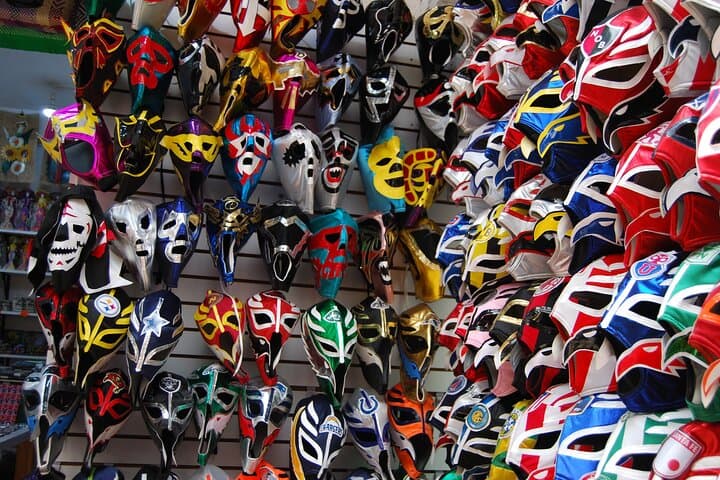
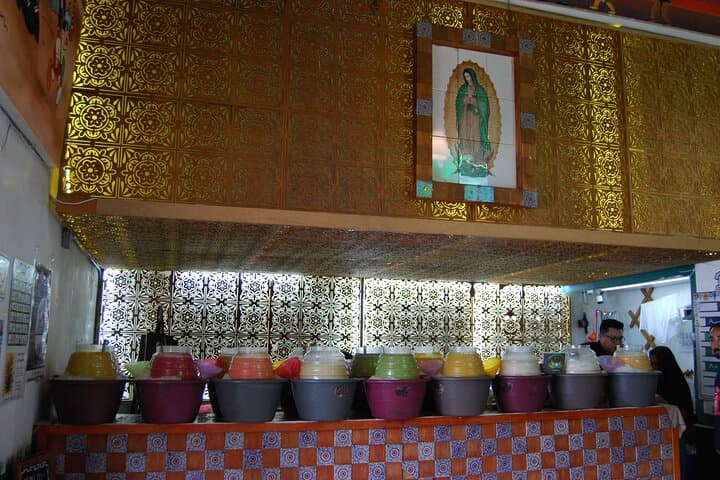
Pulque arrives as a sensory detour: a pre-Hispanic fermented maguey drink, explained and sampled in a compact museum that traces indigenous production and recent revival. Later, under arena lights, Lucha Libre takes over—masked athletes, choreographed aerial maneuvers, and rhythmic crowd chants that make the ring feel like a living piece of popular culture.
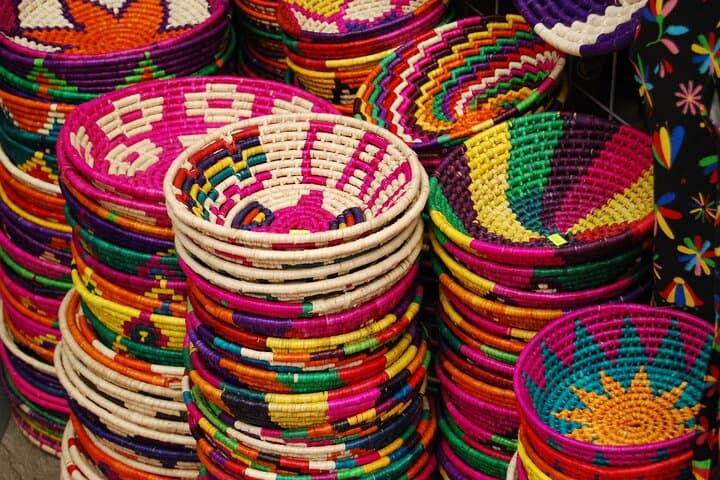
Geologically, you ride on the ancient lakebed that once formed Tenochtitlán; the flatness belies a city built on reclaimed water and compressed clays, which explains some uneven cobbles and slow drainage after rains. Culturally, the route stitches Roma, Centro and the Ciudadela crafts market into a short study of Mexico City’s artisanal and popular traditions.
Practicalities: expect about 4–5 hours total with museum and show included, and roughly 6–10 km of riding on paved streets. Elevation is high—around 2,200–2,300 m—so hydrate and pace effort. The operator supplies bikes and helmets; bring closed-toe shoes, a light layer for evening, small bills for snacks and souvenirs, and comfortable city‑bike handling skills for traffic and tight turns.
easy.
4–5 hours.
Suitable for most people who can ride a bike for low-intensity periods and stand/walk for the wrestling show; moderate stamina helps at high altitude.
No advanced skills are required; basic bike handling and comfort riding in short urban traffic are sufficient—guides keep the group together.
Lucha Libre is family-friendly but noisy and theatrical; parents should judge suitability for young children and check age policies with the operator.
No — entrance to the Pulque Museum and the Lucha Libre show are included in the tour price per the itinerary.
Yes, helmets are provided as part of the equipment; you may bring your own for fit and comfort if preferred.
The route passes areas that were part of pre-Hispanic lake edges and later nineteenth-century urban projects; Lucha Libre emerged in the 20th century as a popular cultural performance.
Cycling tours reduce local transport emissions and help raise awareness of urban heritage; avoid single-use plastics and support local vendors to keep benefits local.
La pedaleada operates guided outdoor trips and adventures with an emphasis on safety, stewardship, and memorable experiences.
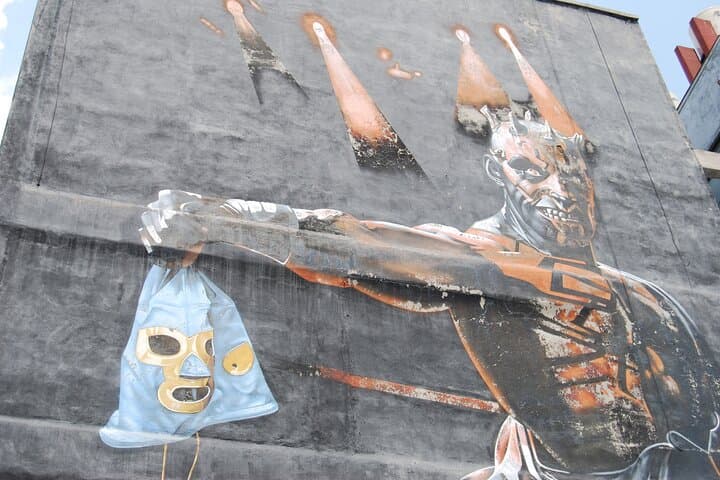
You roll out from a leafy Roma square with the city’s altitude already in the lungs and the clack of gears setting the rhythm. Streets flatten and rise in short, urban pitches; neighbors watch from café tables as your small group threads alleys toward plazas that carry layers of Mexico City history. The tour moves at a steady, social pace—stops to point out colonial facades, a bronze replica of David, and murals that mark the city’s 20th-century rebirth.
You roll out from a leafy Roma square with the city’s altitude already in the lungs and the clack of gears setting the rhythm. Streets flatten and rise in short, urban pitches; neighbors watch from café tables as your small group threads alleys toward plazas that carry layers of Mexico City history. The tour moves at a steady, social pace—stops to point out colonial facades, a bronze replica of David, and murals that mark the city’s 20th-century rebirth.
Pulque arrives as a sensory detour: a pre-Hispanic fermented maguey drink, explained and sampled in a compact museum that traces indigenous production and recent revival. Later, under arena lights, Lucha Libre takes over—masked athletes, choreographed aerial maneuvers, and rhythmic crowd chants that make the ring feel like a living piece of popular culture.
Geologically, you ride on the ancient lakebed that once formed Tenochtitlán; the flatness belies a city built on reclaimed water and compressed clays, which explains some uneven cobbles and slow drainage after rains. Culturally, the route stitches Roma, Centro and the Ciudadela crafts market into a short study of Mexico City’s artisanal and popular traditions.
Practicalities: expect about 4–5 hours total with museum and show included, and roughly 6–10 km of riding on paved streets. Elevation is high—around 2,200–2,300 m—so hydrate and pace effort. The operator supplies bikes and helmets; bring closed-toe shoes, a light layer for evening, small bills for snacks and souvenirs, and comfortable city‑bike handling skills for traffic and tight turns.