THE ADVENTURE COLLECTIVE® · Independent discovery and booking for outdoor travel

Explore a 6.5 km loop through Mewia Łacha on Sobieszewo Island—five to six hours of dune walking, pine trails and high-reward birdwatching. Expect close views of gulls, terns and, from the spit, grey seals on distant sandbars.
Explore a 6.5 km loop through Mewia Łacha on Sobieszewo Island—five to six hours of dune walking, pine trails and high-reward birdwatching. Expect close views of gulls, terns and, from the spit, grey seals on distant sandbars.
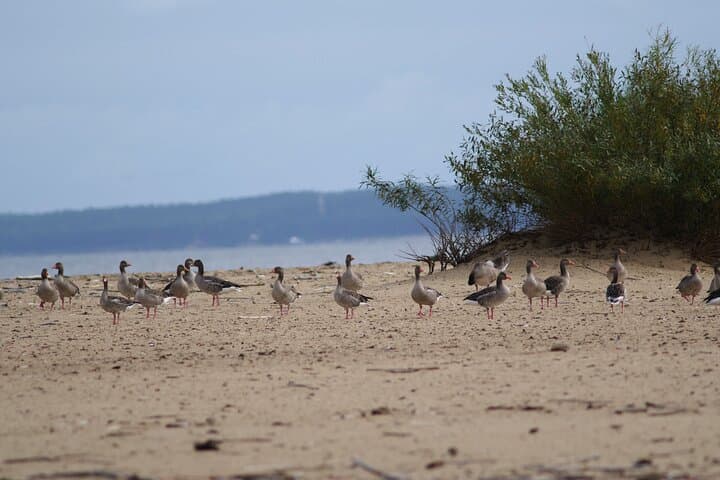
Salt-bright air pushes inland as the group steps from pine shadow onto fine, shifting dune sand. The Vistula River murmurs on one side, the open Baltic on the other; terns wheel overhead and a distant sandbank holds the slow, unmistakable shapes of resting grey seals. This is the west side of Mewia Łacha, a compact reserve where forest, marsh and spit meet and birdlife concentrates into vivid, observable clusters.
Verified experiences and guided adventures in the surrounding area.
Operated by Ladybird Tours · Gdańsk, Pomeranian Voivodeship
Salt-bright air pushes inland as the group steps from pine shadow onto fine, shifting dune sand. The Vistula River murmurs on one side, the open Baltic on the other; terns wheel overhead and a distant sandbank holds the slow, unmistakable shapes of resting grey seals. This is the west side of Mewia Łacha, a compact reserve where forest, marsh and spit meet and birdlife concentrates into vivid, observable clusters.
Geologically, the area is shaped by the Vistula's delta processes—sand and silt building spits and bars that shift with storms and tides. Culturally, Sobieszewo Island has long been a working edge between river and sea; local fishing and coastal stewardship traditions remain visible in small harbors and dunes kept free of development. The reserve is prized by ornithologists: nearly a hundred water and marsh bird species have been recorded here, and the mix of pine corridors, reedbeds and exposed sand favors gulls, terns, ducks and waders.
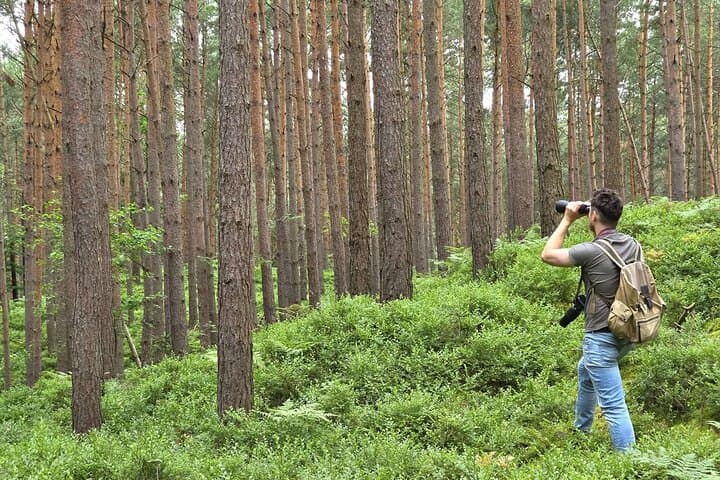
On the 6.5 km loop (5–6 hours on a measured, interpretive pace) expect sandy, uneven footing through dune grasses, cobbled path sections near the river and a raised viewing platform at the spit’s tip for distant seal and seabird observation. Bring binoculars or use the provided spotting scope, move quietly around nesting areas, and plan for wind and insects.
Practical notes: start early for bird activity and calmer seas, wear sturdy footwear that sheds sand, layer for coastal wind, hydrate more than you think and leave drones ashore to avoid disturbing birds. For photographers and naturalists this is a focused, accessible coastal day that rewards patience and quiet observation.
moderate.
5–6 hours.
Moderate fitness required—steady walking on sand and uneven dune terrain with some elevation changes
The loop is about 6.5 km and typically takes 5–6 hours at an interpretive, birding pace over sandy and uneven terrain—rated moderate.
Facilities are minimal within the reserve; bring water and snacks. Nearby Sobieszewo Island and Gdańsk have shops and cafes before or after the walk.
Children with good walking stamina can participate, but the tour is not recommended for pregnant travelers or those with cardiovascular concerns due to uneven terrain and duration.
Drones and pets disrupt nesting birds and seals and are generally prohibited—check local rules and follow guide instructions to protect wildlife.
The reserve sits at the dynamic edge of the Vistula delta; shifting sands and river flow have created the spit habitats that attract migratory birds.
Visitors are asked to stay on marked paths, keep noise low and avoid nesting areas to minimize disturbance to breeding seabirds and resting seals.
Ladybird Tours operates guided outdoor trips and adventures with an emphasis on safety, stewardship, and memorable experiences.
Salt-bright air pushes inland as the group steps from pine shadow onto fine, shifting dune sand. The Vistula River murmurs on one side, the open Baltic on the other; terns wheel overhead and a distant sandbank holds the slow, unmistakable shapes of resting grey seals. This is the west side of Mewia Łacha, a compact reserve where forest, marsh and spit meet and birdlife concentrates into vivid, observable clusters.
Salt-bright air pushes inland as the group steps from pine shadow onto fine, shifting dune sand. The Vistula River murmurs on one side, the open Baltic on the other; terns wheel overhead and a distant sandbank holds the slow, unmistakable shapes of resting grey seals. This is the west side of Mewia Łacha, a compact reserve where forest, marsh and spit meet and birdlife concentrates into vivid, observable clusters.
Geologically, the area is shaped by the Vistula's delta processes—sand and silt building spits and bars that shift with storms and tides. Culturally, Sobieszewo Island has long been a working edge between river and sea; local fishing and coastal stewardship traditions remain visible in small harbors and dunes kept free of development. The reserve is prized by ornithologists: nearly a hundred water and marsh bird species have been recorded here, and the mix of pine corridors, reedbeds and exposed sand favors gulls, terns, ducks and waders.
On the 6.5 km loop (5–6 hours on a measured, interpretive pace) expect sandy, uneven footing through dune grasses, cobbled path sections near the river and a raised viewing platform at the spit’s tip for distant seal and seabird observation. Bring binoculars or use the provided spotting scope, move quietly around nesting areas, and plan for wind and insects.
Practical notes: start early for bird activity and calmer seas, wear sturdy footwear that sheds sand, layer for coastal wind, hydrate more than you think and leave drones ashore to avoid disturbing birds. For photographers and naturalists this is a focused, accessible coastal day that rewards patience and quiet observation.