THE ADVENTURE COLLECTIVE® · Independent discovery and booking for outdoor travel

Explore Metz with a GPS-guided mobile game that turns the city into a puzzle of neo-Romanesque stations, wartime memory plaques, and cathedral light. Move at your own pace through 1–2 hours of history, architecture, and hidden narratives.
Explore Metz with a GPS-guided mobile game that turns the city into a puzzle of neo-Romanesque stations, wartime memory plaques, and cathedral light. Move at your own pace through 1–2 hours of history, architecture, and hidden narratives.
You step off Metz-Ville station into a square that still hums with the gravity of arrivals and departures—its neo-Romanesque façades rising like a chapter of contested history. The app chirps; a mission begins. You move through narrow stone lanes, cross the Moselle’s reflective ribbons, and pause where plaques mark coded acts of resistance.
Verified experiences and guided adventures in the surrounding area.
Operated by Leplace - interactive self-guided app tours · Metz, Grand Est
You step off Metz-Ville station into a square that still hums with the gravity of arrivals and departures—its neo-Romanesque façades rising like a chapter of contested history. The app chirps; a mission begins. You move through narrow stone lanes, cross the Moselle’s reflective ribbons, and pause where plaques mark coded acts of resistance.
Metz is a border city shaped by Roman foundations, medieval markets, and the imprint of German rule at the turn of the 20th century. The Gare de Metz-Ville—built during the German annexation—is an architectural overture; the cathedral’s stained-glass windows, including later works by Marc Chagall, cast colored history across the square. WWII left quiet scars: plaques, memorials, and stories of liberation in 1944 thread the route. Geologically, the city sits where the Moselle plain meets the Lorraine hills, giving shallow river valleys and compact, walkable neighborhoods.
This self-guided GPS tour blends scavenger-hunt puzzles with cultural context—find hidden plaques on Rue Taison, study wartime marks at Hôtel de Ville, and stand on Pont des Morts to imagine escape routes. Expect cobblestones, stairs, and urban steps rather than wilderness trails.
Practical guidance: install the app, keep your phone charged, and plan for 1–2 hours at an unhurried pace. Morning and late afternoon reduce crowds and deliver better light for photography. Wear sturdy walking shoes and respect memorial sites—pause and read rather than rush. The route is accessible in short segments, making it easy to stop in cafés or museums along the way. This is a walking experience that places history in your pocket and keeps discovery at your own pace.
easy.
1–2 hours.
Suitable for most fitness levels—expect light walking and short stair sections; no sustained elevation.
You receive app installation instructions after booking; begin at Gare de Metz-Ville and follow the GPS prompts in the app to unlock the first waypoint.
No—this is a self-guided, GPS-enabled mobile experience that you can play at your own pace.
The route includes cobblestones and stairs and is not recommended for those with impaired mobility; consider shorter, flat sections near the river instead.
The app provides map-based navigation and checkpoints; if technical issues arise, consult the support link in your confirmation email.
Metz grew from a Roman settlement into a strategic border city, later shaped by German annexation (1871–1918) and the upheavals of WWII, including liberation in 1944.
This is a low-impact urban experience—stay on public paths, avoid touching memorial surfaces, and dispose of waste in city bins to preserve historical sites.
Leplace - interactive self-guided app tours operates guided outdoor trips and adventures with an emphasis on safety, stewardship, and memorable experiences.
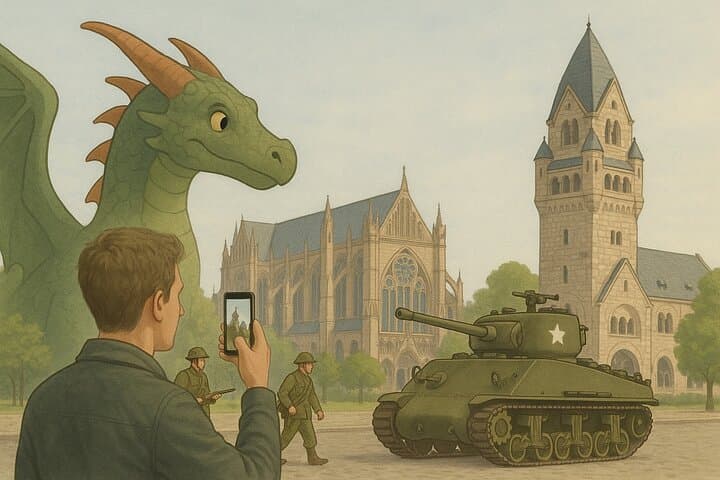
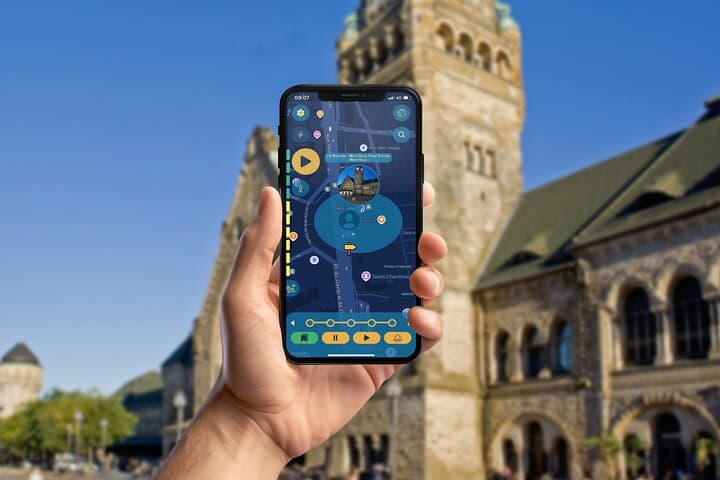
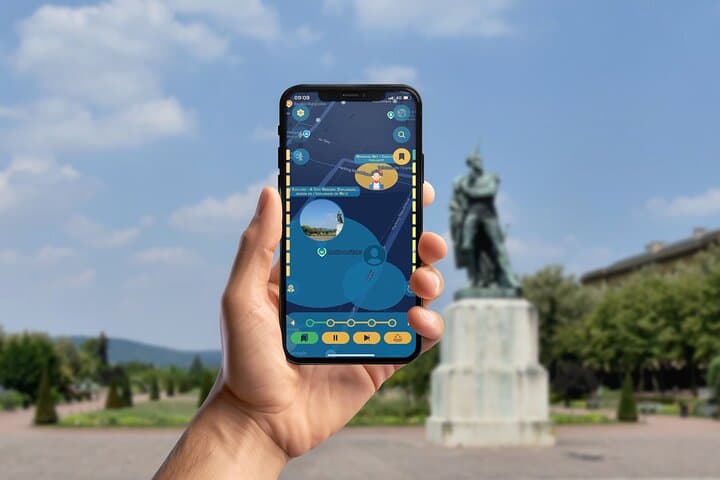
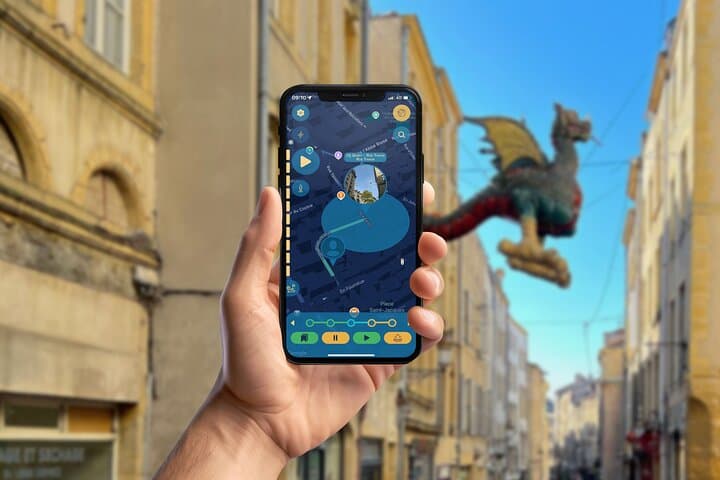
You step off Metz-Ville station into a square that still hums with the gravity of arrivals and departures—its neo-Romanesque façades rising like a chapter of contested history. The app chirps; a mission begins. You move through narrow stone lanes, cross the Moselle’s reflective ribbons, and pause where plaques mark coded acts of resistance.
You step off Metz-Ville station into a square that still hums with the gravity of arrivals and departures—its neo-Romanesque façades rising like a chapter of contested history. The app chirps; a mission begins. You move through narrow stone lanes, cross the Moselle’s reflective ribbons, and pause where plaques mark coded acts of resistance.
Metz is a border city shaped by Roman foundations, medieval markets, and the imprint of German rule at the turn of the 20th century. The Gare de Metz-Ville—built during the German annexation—is an architectural overture; the cathedral’s stained-glass windows, including later works by Marc Chagall, cast colored history across the square. WWII left quiet scars: plaques, memorials, and stories of liberation in 1944 thread the route. Geologically, the city sits where the Moselle plain meets the Lorraine hills, giving shallow river valleys and compact, walkable neighborhoods.
This self-guided GPS tour blends scavenger-hunt puzzles with cultural context—find hidden plaques on Rue Taison, study wartime marks at Hôtel de Ville, and stand on Pont des Morts to imagine escape routes. Expect cobblestones, stairs, and urban steps rather than wilderness trails.
Practical guidance: install the app, keep your phone charged, and plan for 1–2 hours at an unhurried pace. Morning and late afternoon reduce crowds and deliver better light for photography. Wear sturdy walking shoes and respect memorial sites—pause and read rather than rush. The route is accessible in short segments, making it easy to stop in cafés or museums along the way. This is a walking experience that places history in your pocket and keeps discovery at your own pace.