THE ADVENTURE COLLECTIVE® · Independent discovery and booking for outdoor travel

Arrive by train and spend five immersive hours with a Spanish-speaking local guide exploring Meteora’s cliff-top monasteries, panoramic viewpoints and hidden footpaths. This compact train-to-train tour covers all six monasteries with interior visits to three.
Arrive by train and spend five immersive hours with a Spanish-speaking local guide exploring Meteora’s cliff-top monasteries, panoramic viewpoints and hidden footpaths. This compact train-to-train tour covers all six monasteries with interior visits to three.
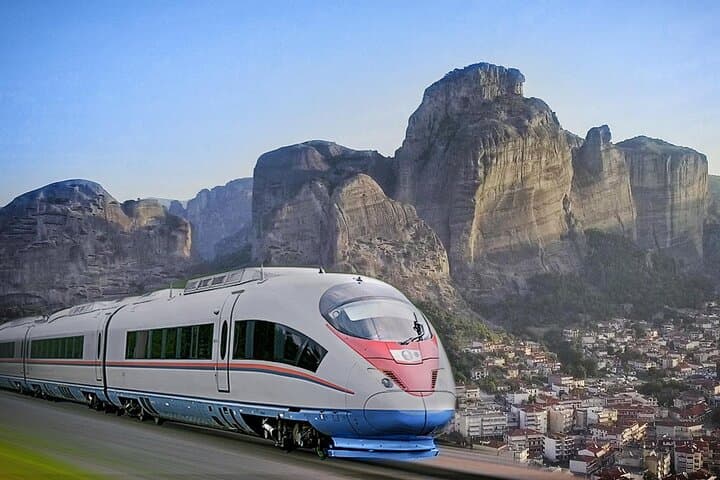
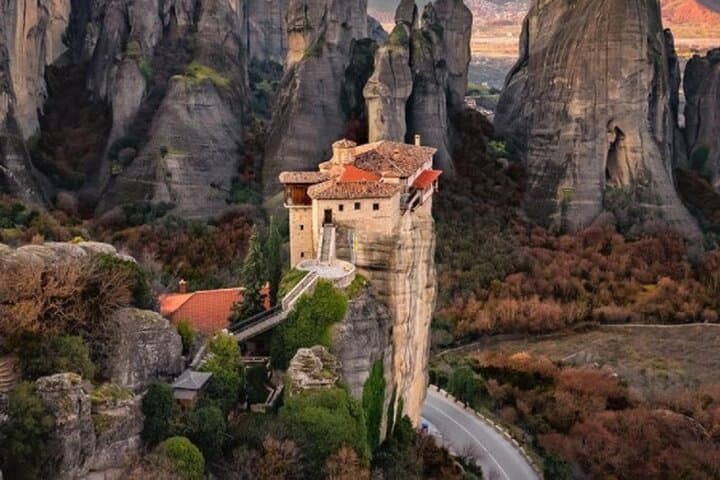
You step off the afternoon train into bright Thessalian light and the rocks rise like a sudden city of stone — towers streaked with lichens, sheer faces interrupted only by the tiny bands of monastery roofs.
Verified experiences and guided adventures in the surrounding area.
Operated by Meteora Thrones -Travel Center · Kalabaka, Thessaly
You step off the afternoon train into bright Thessalian light and the rocks rise like a sudden city of stone — towers streaked with lichens, sheer faces interrupted only by the tiny bands of monastery roofs.
Meteora’s cliffs are a geological puzzle: hard sandstone and conglomerate laid down millions of years ago, folded and eroded into the pillars you now walk among. Byzantine monks began climbing and carving hermitages here in the 11th century; by the 14th–16th centuries they built the cliff-top communities that survive as active monasteries today. UNESCO protects the ensemble for its cultural and natural values.
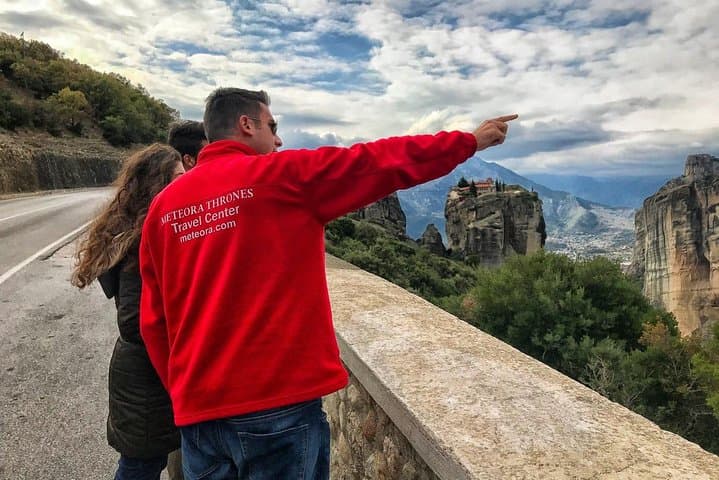
The tour balances panoramic stops with three interior monastery visits, where icons, wooden galleries and hush replace the wind. Local guides in Spanish explain the architecture, monastic routines and why some rocks hold chapels while others shelter hermit caves. Expect frequent photo stops: sunrise and late afternoon soften the stone, midday casts deeper shadows.
Practically, the route includes paved viewpoints, short paved roads and carved staircases — many steps but no technical climbing. Dress modestly for monastery entry (shoulders and knees covered), wear grippy shoes for uneven thresholds, and carry water; shade is limited between viewpoints. Travel by train makes timing tight: the group meets at Kalabaka station on arrival and returns for the outbound; plan for a full five hours including brief city-time before departure. For a compact, locally led introduction to Meteora’s geology, faith and views, this Spanish-language train-to-train option is efficient and experiential.
easy.
4–5 hours.
Suitable for most fitness levels; requires walking between viewpoints and climbing stairs inside monasteries.
Yes—the guide meets arriving train passengers on the platform and transfers you by air-conditioned mini-bus to the Meteora viewpoints and monasteries.
The itinerary visits all six monastery complexes from viewpoints and includes interior visits to three of the most popular monasteries, subject to opening hours and religious services.
This tour is listed as physically easy, but monastery interiors require climbing stairs and uneven surfaces; children and travelers with mobility limits should check specific accessibility before booking.
Photography is permitted at viewpoints and inside some monasteries, though tripods and flash may be restricted; drones are generally prohibited to protect privacy and safety—ask the guide for site rules.
Monastic life here expanded between the 11th and 16th centuries as hermits and monks sought isolation; many monasteries remained active through Ottoman rule and are now UNESCO-listed.
Visitors should stay on designated paths, avoid touching frescoes, and carry out waste; high foot traffic makes respectful behavior and small-group tours helpful for conservation.
Meteora Thrones -Travel Center operates guided outdoor trips and adventures with an emphasis on safety, stewardship, and memorable experiences.

You step off the afternoon train into bright Thessalian light and the rocks rise like a sudden city of stone — towers streaked with lichens, sheer faces interrupted only by the tiny bands of monastery roofs.
You step off the afternoon train into bright Thessalian light and the rocks rise like a sudden city of stone — towers streaked with lichens, sheer faces interrupted only by the tiny bands of monastery roofs.
Meteora’s cliffs are a geological puzzle: hard sandstone and conglomerate laid down millions of years ago, folded and eroded into the pillars you now walk among. Byzantine monks began climbing and carving hermitages here in the 11th century; by the 14th–16th centuries they built the cliff-top communities that survive as active monasteries today. UNESCO protects the ensemble for its cultural and natural values.
The tour balances panoramic stops with three interior monastery visits, where icons, wooden galleries and hush replace the wind. Local guides in Spanish explain the architecture, monastic routines and why some rocks hold chapels while others shelter hermit caves. Expect frequent photo stops: sunrise and late afternoon soften the stone, midday casts deeper shadows.
Practically, the route includes paved viewpoints, short paved roads and carved staircases — many steps but no technical climbing. Dress modestly for monastery entry (shoulders and knees covered), wear grippy shoes for uneven thresholds, and carry water; shade is limited between viewpoints. Travel by train makes timing tight: the group meets at Kalabaka station on arrival and returns for the outbound; plan for a full five hours including brief city-time before departure. For a compact, locally led introduction to Meteora’s geology, faith and views, this Spanish-language train-to-train option is efficient and experiential.