THE ADVENTURE COLLECTIVE® · Independent discovery and booking for outdoor travel

Watch sunlight strip across Meteora’s towering rock pillars on a guided sunset tour that includes six monasteries, hermitages, and sweeping viewpoints. This 4-hour trip from Kalabaka pairs geological wonder with Byzantine history—and practical logistics to make the most of golden hour.
Watch sunlight strip across Meteora’s towering rock pillars on a guided sunset tour that includes six monasteries, hermitages, and sweeping viewpoints. This 4-hour trip from Kalabaka pairs geological wonder with Byzantine history—and practical logistics to make the most of golden hour.
You arrive as the day leans toward gold: wind at your back, rock towers rising like weathered columns, and the sun sliding down behind the plains of Thessaly. On a guided sunset tour of Meteora, the light sharpens edges and throws the ancient monasteries into dramatic relief, making every viewpoint feel like a deliberate stage set.
Verified experiences and guided adventures in the surrounding area.
Operated by Meteora Trip · Kalabaka, Thessaly
You arrive as the day leans toward gold: wind at your back, rock towers rising like weathered columns, and the sun sliding down behind the plains of Thessaly. On a guided sunset tour of Meteora, the light sharpens edges and throws the ancient monasteries into dramatic relief, making every viewpoint feel like a deliberate stage set.
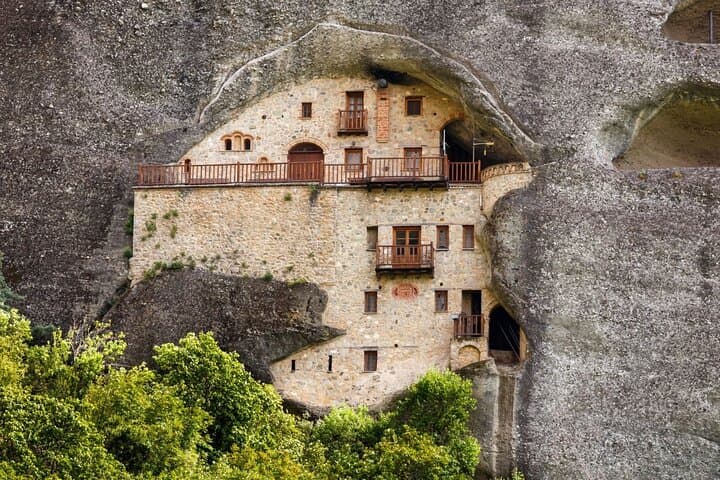
Meteora’s pillars are composed of sandstone and conglomerate—layers of river-carried sediment compacted and carved by millennia of wind and water—while the monastic cells clinging to ledges date to the Byzantine and post-Byzantine eras when hermits and monks sought isolation and protection. The area around Kalabaka and Kastraki preserves Byzantine churches, hermitages such as Bandovas, and narrow lanes that show village life has quietly evolved beneath the cliffs.
Practicalities matter here: the tour runs roughly four hours with hotel pickup in Kalabaka or Kastraki, transport in a VIP minibus, and a local English-speaking guide. You’ll visit viewpoints that look across six monasteries and enter one monastery interior; expect stairs, stone steps, and uneven surfaces. Dress modestly for religious sites (covered shoulders and knees), bring a light layer for the cooling evening, and keep a reusable water bottle—there’s little shade at viewpoints. Photography is rewarding during golden hour, but be mindful of fragile trails and follow your guide’s routing to minimize erosion.
This is an accessible, sensory-rich introduction to Meteora’s geology and living monastic culture—ideal for travelers wanting sight, story, and sunset in a single half-day outing.
easy.
4 hours.
Suitable for most travelers who can navigate short walks and stairs; not strenuous but requires basic mobility for steps.
The tour is approximately four hours and includes hotel pickup in Kalabaka or Kastraki, transportation by VIP minibus, a local English-speaking guide, visits to viewpoints over the six monasteries, and entry to one monastery interior.
Most guided tours include entry to a single monastery interior as noted; confirm at booking if additional admissions are covered or payable on-site.
The tour is rated easy and suitable for most fitness levels, but monastery visits and viewpoints involve stairs and uneven terrain; infants can ride in strollers during transport but may need to be carried on steps.
Modest attire is required: shoulders and knees must be covered. Bring a scarf or light wrap if you expect to enter monastery interiors.
Meteora’s rock-top monasteries grew from 14th-century monastic movements; monks carved paths and cells into cliffs to create remote religious communities under Byzantine influence.
Meteora is a protected cultural landscape and UNESCO World Heritage site—stay on marked trails, obey monastery rules, and avoid leaving litter to reduce erosion and protect historic structures.
Meteora Trip operates guided outdoor trips and adventures with an emphasis on safety, stewardship, and memorable experiences.
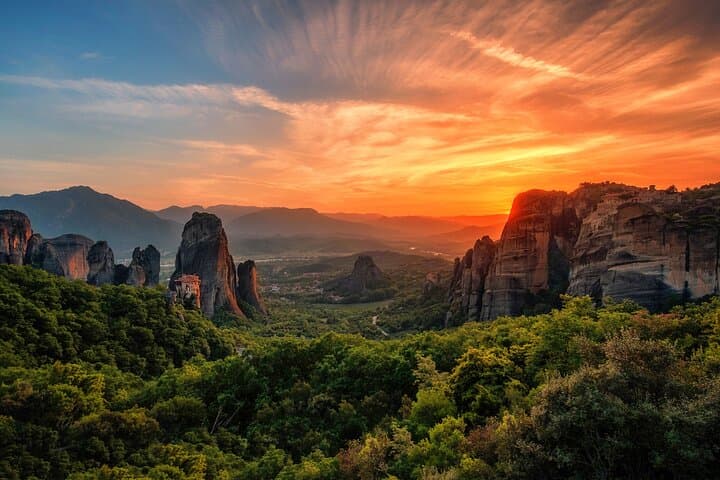
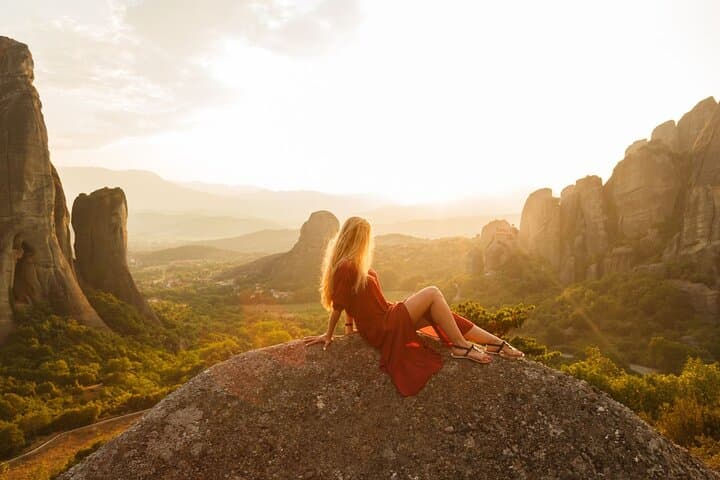
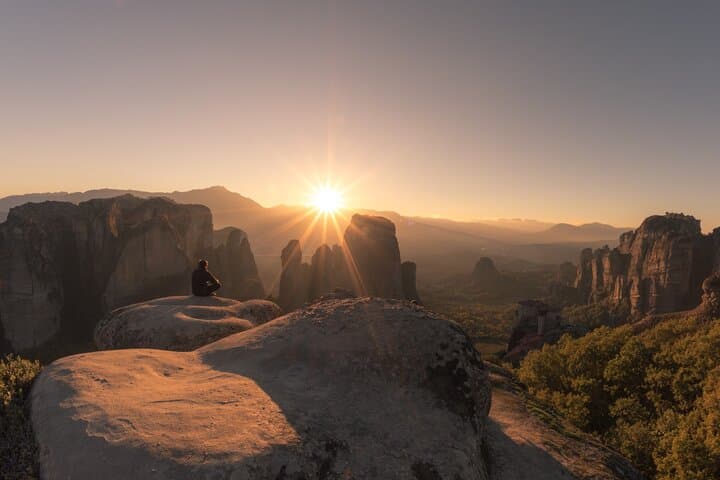
You arrive as the day leans toward gold: wind at your back, rock towers rising like weathered columns, and the sun sliding down behind the plains of Thessaly. On a guided sunset tour of Meteora, the light sharpens edges and throws the ancient monasteries into dramatic relief, making every viewpoint feel like a deliberate stage set.
You arrive as the day leans toward gold: wind at your back, rock towers rising like weathered columns, and the sun sliding down behind the plains of Thessaly. On a guided sunset tour of Meteora, the light sharpens edges and throws the ancient monasteries into dramatic relief, making every viewpoint feel like a deliberate stage set.
Meteora’s pillars are composed of sandstone and conglomerate—layers of river-carried sediment compacted and carved by millennia of wind and water—while the monastic cells clinging to ledges date to the Byzantine and post-Byzantine eras when hermits and monks sought isolation and protection. The area around Kalabaka and Kastraki preserves Byzantine churches, hermitages such as Bandovas, and narrow lanes that show village life has quietly evolved beneath the cliffs.
Practicalities matter here: the tour runs roughly four hours with hotel pickup in Kalabaka or Kastraki, transport in a VIP minibus, and a local English-speaking guide. You’ll visit viewpoints that look across six monasteries and enter one monastery interior; expect stairs, stone steps, and uneven surfaces. Dress modestly for religious sites (covered shoulders and knees), bring a light layer for the cooling evening, and keep a reusable water bottle—there’s little shade at viewpoints. Photography is rewarding during golden hour, but be mindful of fragile trails and follow your guide’s routing to minimize erosion.
This is an accessible, sensory-rich introduction to Meteora’s geology and living monastic culture—ideal for travelers wanting sight, story, and sunset in a single half-day outing.