THE ADVENTURE COLLECTIVE® · Independent discovery and booking for outdoor travel

A full-day private tour that threads dramatic sandstone pillars and cliff-top monasteries into a single, accessible route. Ideal for travelers who value close-up viewpoints, local context, and a flexible pace.
A full-day private tour that threads dramatic sandstone pillars and cliff-top monasteries into a single, accessible route. Ideal for travelers who value close-up viewpoints, local context, and a flexible pace.
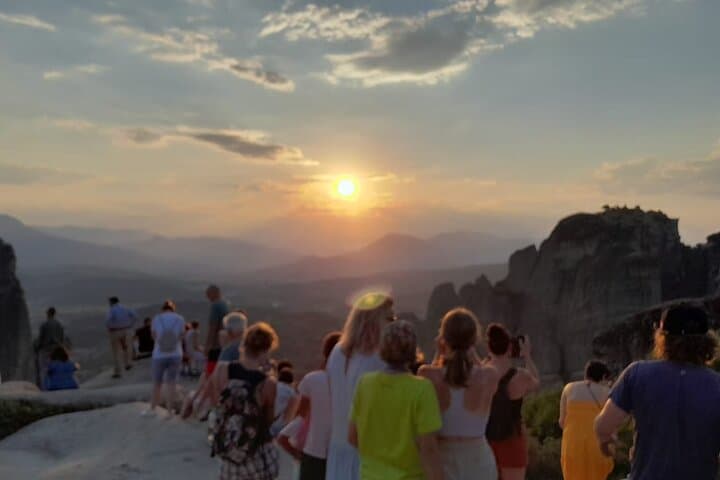
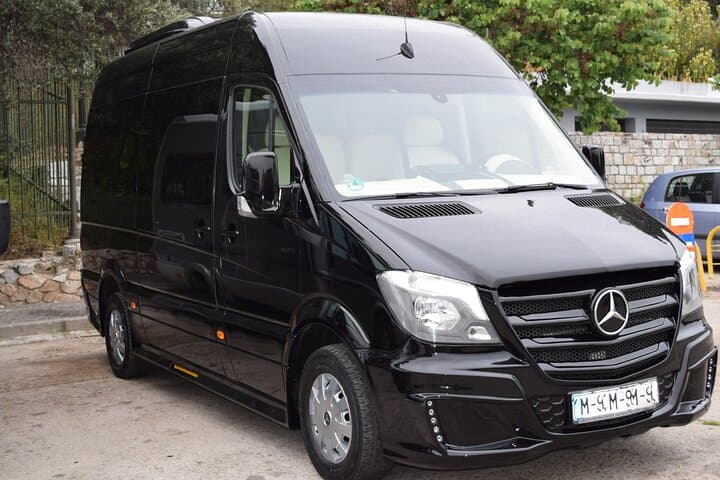
The day opens on a ribbon of road beneath towers of stone: Meteora’s columns rise like weathered giants, the wind fingering cracks as if rehearsing the way people climb. A private minivan deposits you at hairpin viewpoints where fog lifts to expose Byzantine roofs clinging to vertical faces, and the soundscape is equal parts church bell and distant highway.
Verified experiences and guided adventures in the surrounding area.
Operated by Minibus Athens Tours · Kalambaka, Thessaly
The day opens on a ribbon of road beneath towers of stone: Meteora’s columns rise like weathered giants, the wind fingering cracks as if rehearsing the way people climb. A private minivan deposits you at hairpin viewpoints where fog lifts to expose Byzantine roofs clinging to vertical faces, and the soundscape is equal parts church bell and distant highway.
Geology here is blunt: conglomerate sandstone eroded over millions of years into steep pillars up to 400 meters high. Human history interrupts the rock—hermits and monks began hauling themselves up these columns in the 11th century and by the 14th–16th centuries built the monastery complexes visitors see today. The monasteries preserve iconography, wooden refectories and narrow stone staircases carved into cliff.
Culturally Meteora sits on the edge of Thessaly’s plain; Kalambaka grew at the base as a supply town. Local guides point out still-used mule tracks, hermit caves, and the subtle differences between monastic rules and modern tourism. Expect narrow switchbacks, uneven stone steps, short stretches of exposed ledge, and paved viewpoints accessible by vehicle.
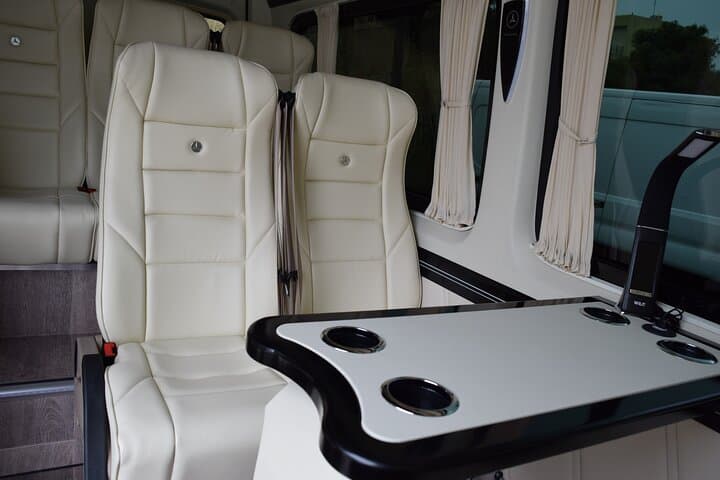
Practical notes: private tours last 10–12 hours and typically include door-to-door transport, bottled water and onboard Wi‑Fi. Wear sturdy shoes with good grip, bring sun protection and layered clothing for cool ridge winds. Respect dress codes inside active monasteries (shoulders and knees covered), carry small cash for entrance donations, and plan for mid-morning or late-afternoon visits to avoid peak crowds. With a private driver, you’ll string together viewpoints and monasteries at a pace that turns a day of sightseeing into a deliberate, memorable traverse between earth and sky.
easy.
10–12 hours.
Suitable for travelers in basic fitness who can manage short uphill walks and stairs; long periods of standing possible.
This private tour runs about 10–12 hours, allowing travel from Athens or nearby pick-up points and several monastery stops with viewpoints.
Some monastery entry fees are not always included—bring small cash for donation/entrance fees and check with the operator in advance.
Yes—transport and viewpoints are accessible by vehicle; however visitors should be able to climb short staircases and manage uneven steps at monastery sites.
Private tours are usually available with instant confirmation but book early in high season to secure preferred pickup times and guide availability.
Monastic anchorage began with hermits in the 11th century; most surviving monasteries date from the 14th–16th centuries when monastic communities fortified the cliffs.
Meteora is a protected UNESCO site—stay on designated paths, avoid climbing non-permitted faces, and follow monastery rules to help preserve fragile cultural and geological features.
Minibus Athens Tours operates guided outdoor trips and adventures with an emphasis on safety, stewardship, and memorable experiences.
The day opens on a ribbon of road beneath towers of stone: Meteora’s columns rise like weathered giants, the wind fingering cracks as if rehearsing the way people climb. A private minivan deposits you at hairpin viewpoints where fog lifts to expose Byzantine roofs clinging to vertical faces, and the soundscape is equal parts church bell and distant highway.
The day opens on a ribbon of road beneath towers of stone: Meteora’s columns rise like weathered giants, the wind fingering cracks as if rehearsing the way people climb. A private minivan deposits you at hairpin viewpoints where fog lifts to expose Byzantine roofs clinging to vertical faces, and the soundscape is equal parts church bell and distant highway.
Geology here is blunt: conglomerate sandstone eroded over millions of years into steep pillars up to 400 meters high. Human history interrupts the rock—hermits and monks began hauling themselves up these columns in the 11th century and by the 14th–16th centuries built the monastery complexes visitors see today. The monasteries preserve iconography, wooden refectories and narrow stone staircases carved into cliff.
Culturally Meteora sits on the edge of Thessaly’s plain; Kalambaka grew at the base as a supply town. Local guides point out still-used mule tracks, hermit caves, and the subtle differences between monastic rules and modern tourism. Expect narrow switchbacks, uneven stone steps, short stretches of exposed ledge, and paved viewpoints accessible by vehicle.
Practical notes: private tours last 10–12 hours and typically include door-to-door transport, bottled water and onboard Wi‑Fi. Wear sturdy shoes with good grip, bring sun protection and layered clothing for cool ridge winds. Respect dress codes inside active monasteries (shoulders and knees covered), carry small cash for entrance donations, and plan for mid-morning or late-afternoon visits to avoid peak crowds. With a private driver, you’ll string together viewpoints and monasteries at a pace that turns a day of sightseeing into a deliberate, memorable traverse between earth and sky.