THE ADVENTURE COLLECTIVE® · Independent discovery and booking for outdoor travel

Explore Meteora’s cliff-top monasteries with a private guide—choose a morning route for interior visits to multiple monasteries or a sunset tour for hermit caves and dramatic light. Practical, flexible, and steeped in history, this half-day experience balances awe with accessibility.
Explore Meteora’s cliff-top monasteries with a private guide—choose a morning route for interior visits to multiple monasteries or a sunset tour for hermit caves and dramatic light. Practical, flexible, and steeped in history, this half-day experience balances awe with accessibility.
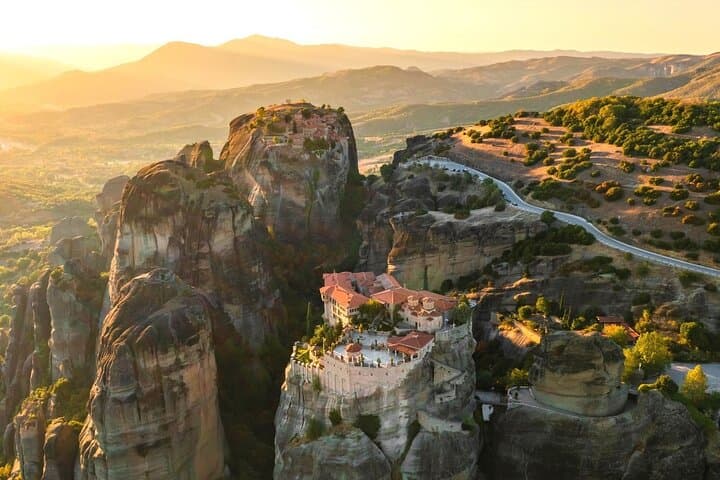
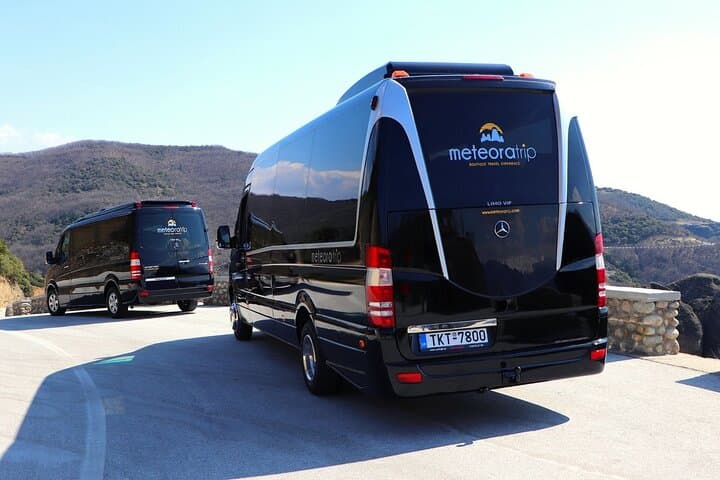
You arrive on a sun-bleached road that curves into a forest of stone: Meteora’s towering pillars rise like carved columns from the Thessalian plain, light sliding down sheer faces as if to reveal centuries of daily life. A private guide meets you at your hotel in Kalabaka or Kastraki, and the van navigates narrow switchbacks to single-lane viewpoints where wind and sky compete for attention.
Verified experiences and guided adventures in the surrounding area.
Operated by Meteora Trip · Kalabaka, Thessaly
You arrive on a sun-bleached road that curves into a forest of stone: Meteora’s towering pillars rise like carved columns from the Thessalian plain, light sliding down sheer faces as if to reveal centuries of daily life. A private guide meets you at your hotel in Kalabaka or Kastraki, and the van navigates narrow switchbacks to single-lane viewpoints where wind and sky compete for attention.
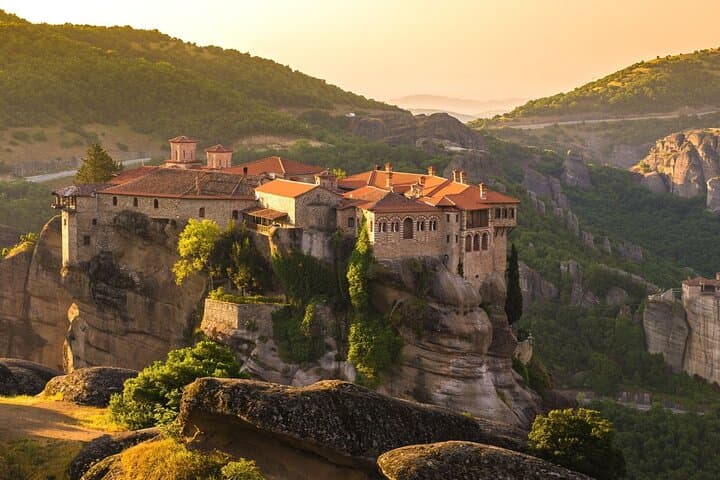
These cliffs are not volcanic but consolidated river deposits — sandstone and conglomerate sculpted by uplift and erosion starting roughly 60 million years ago — the geology that made seclusion and monastic life possible. From the 14th century onward hermits and organized communities built monasteries on ledges and pinnacles; places like Great Meteoron, Varlaam and Roussanou still hold frescoes, relics and active chapels.
Choose a morning tour to maximize access—up to three monasteries and interior visits—or a sunset tour to walk hermit paths, see the Byzantine Church of the Assumption in old Kalambaka and watch golden light etch the rock faces. Expect steep steps carved into stone, short uphill approaches and narrow courtyards.
Practical notes: modest dress is required for monastery entry; bring layered clothing for exposed viewpoints and a sturdy pair of shoes for uneven paths and staircases. Photography is welcome in exteriors but restricted in some interiors; carry small cash for entry fees and monastery donations. Your local guide handles timing, skips busy windows when possible, and points out quieter hermit caves and viewpoints often missed by larger groups.
easy.
4 hours.
Light walking and several short stair climbs; suitable for most fitness levels but not for those with limited mobility.
Morning private tours can include up to three monasteries, depending on opening hours and group pace; your guide will prioritize based on timing.
Entrance fees are typically not included—bring small cash as fees vary by monastery and some ask for voluntary donations.
The experience involves stairs and uneven paths; Saint Stephen is more accessible, but many monasteries require climbing carved steps and aren’t wheelchair-friendly.
Photography policies vary—exterior photos are allowed, but interior photography is often restricted to protect frescoes; follow signage and your guide’s instructions.
Meteora’s monasteries began forming in the 14th century when monastics used the natural pillars for seclusion; the region also contains earlier Byzantine religious sites.
High visitor numbers can stress trails and fragile frescoes—stay on marked paths, follow monastery rules and support local conservation by using licensed guides.
Meteora Trip operates guided outdoor trips and adventures with an emphasis on safety, stewardship, and memorable experiences.

You arrive on a sun-bleached road that curves into a forest of stone: Meteora’s towering pillars rise like carved columns from the Thessalian plain, light sliding down sheer faces as if to reveal centuries of daily life. A private guide meets you at your hotel in Kalabaka or Kastraki, and the van navigates narrow switchbacks to single-lane viewpoints where wind and sky compete for attention.
You arrive on a sun-bleached road that curves into a forest of stone: Meteora’s towering pillars rise like carved columns from the Thessalian plain, light sliding down sheer faces as if to reveal centuries of daily life. A private guide meets you at your hotel in Kalabaka or Kastraki, and the van navigates narrow switchbacks to single-lane viewpoints where wind and sky compete for attention.
These cliffs are not volcanic but consolidated river deposits — sandstone and conglomerate sculpted by uplift and erosion starting roughly 60 million years ago — the geology that made seclusion and monastic life possible. From the 14th century onward hermits and organized communities built monasteries on ledges and pinnacles; places like Great Meteoron, Varlaam and Roussanou still hold frescoes, relics and active chapels.
Choose a morning tour to maximize access—up to three monasteries and interior visits—or a sunset tour to walk hermit paths, see the Byzantine Church of the Assumption in old Kalambaka and watch golden light etch the rock faces. Expect steep steps carved into stone, short uphill approaches and narrow courtyards.
Practical notes: modest dress is required for monastery entry; bring layered clothing for exposed viewpoints and a sturdy pair of shoes for uneven paths and staircases. Photography is welcome in exteriors but restricted in some interiors; carry small cash for entry fees and monastery donations. Your local guide handles timing, skips busy windows when possible, and points out quieter hermit caves and viewpoints often missed by larger groups.