THE ADVENTURE COLLECTIVE® · Independent discovery and booking for outdoor travel

Walk the unrevealed side of Meteora on a private half-day hike from Kalabaka. Explore hidden monasteries, Ottoman-era ruins, and towering sandstone pillars while learning how monks engineered life on these cliffs.
Walk the unrevealed side of Meteora on a private half-day hike from Kalabaka. Explore hidden monasteries, Ottoman-era ruins, and towering sandstone pillars while learning how monks engineered life on these cliffs.
You step out of the shaded plane of Kastraki and into rock country—towering sandstone pillars that catch the sun and seem to dare your next step. The air smells of pine, dust, and a long human history; a narrow trail threads between boulders, guiding you toward ruined terraces and the hint of frescoed walls high above.
Verified experiences and guided adventures in the surrounding area.
Operated by VIP Metora Tours · Kalabaka, Trikala
You step out of the shaded plane of Kastraki and into rock country—towering sandstone pillars that catch the sun and seem to dare your next step. The air smells of pine, dust, and a long human history; a narrow trail threads between boulders, guiding you toward ruined terraces and the hint of frescoed walls high above.
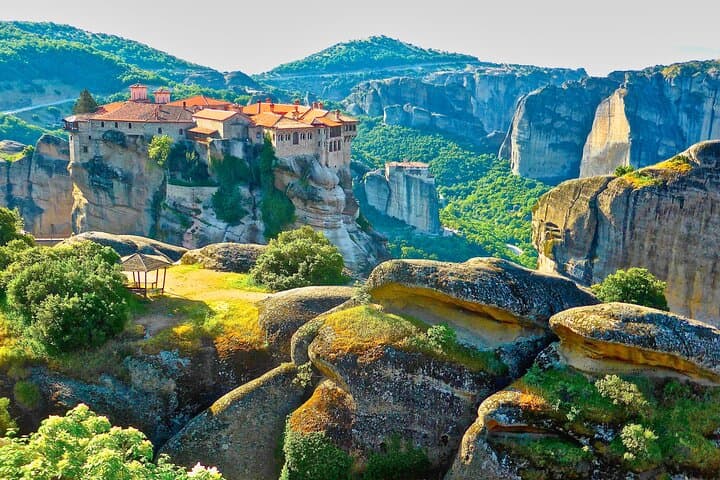
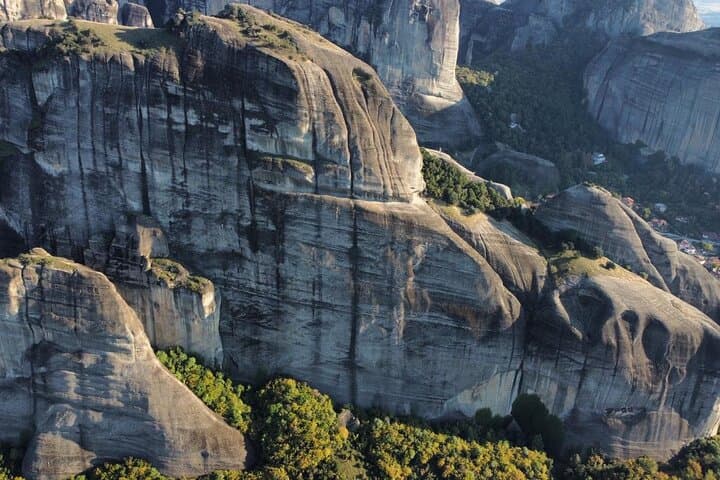
Meteora’s cliffs formed from river-borne sediments millions of years ago, later sculpted into freestanding columns by wind and water. By the 11th century hermits and then organized monastic communities made these pinnacles a place of retreat. On a private hiking exploration you follow the routes that once connected hermit caves, ruined monastic cells from Ottoman-era clashes, and the hidden Ypapanti chapel only reachable on foot.
Expect 8–10 km of walking with roughly 200–400 m cumulative ascent over uneven, rocky trails and carved steps; some climbs are steep but brief. The itinerary weaves visits to Great Meteoron or Varlaam (museum and pulley-system exhibits vary by day), viewpoints over the Thessalian plain, and time to explore one monastery interior. Guides provide local history, show ruined foundations, and point out geological strata and native flora.
Practical edge: wear grippy hiking shoes, bring 1–2 liters of water, sun protection, and a light layer for changing winds. Start early to avoid midday heat and to catch the warm light on the rocks for photographs. Respect monastery dress codes and fragile ruins—paths can be narrow and exposed, so move deliberately. With a private guide and pickup from Kalabaka, this half-day hike balances cultural depth with hands-on outdoor travel.
moderate.
4–5 hours.
Moderately fit: you should be comfortable on uneven terrain and short steep sections for multiple hours.
The private tour runs about 4–5 hours total; it combines short guided walks (8–10 km total walking) with short drives in an air-conditioned vehicle between trailheads and viewpoints.
Yes — the tour typically includes free time to visit one monastery interior, subject to opening hours and dress-code compliance (shoulders and knees covered).
The routes are suitable for most fitness levels, but the terrain is uneven with some steep steps; it’s not recommended for very young children under 6 or travelers with spinal/serious heart issues.
Bring small cash for monastery entrance fees, snacks, or drinks—some sites and village vendors accept only cash.
Meteora grew into a major monastic center by the 14th–16th centuries when ascetics and organized communities built monasteries atop the pillars to seek solitude and security.
Trails and ruins are fragile; stay on marked paths, avoid touching frescoes, and follow guide instructions to minimize erosion and cultural damage.
VIP Metora Tours operates guided outdoor trips and adventures with an emphasis on safety, stewardship, and memorable experiences.
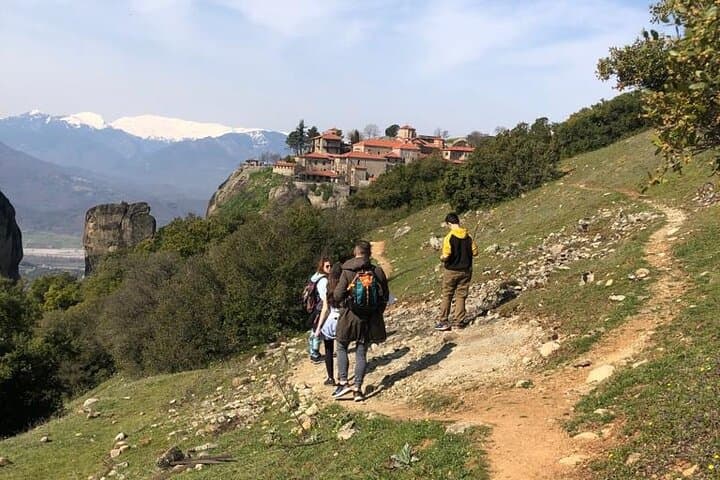
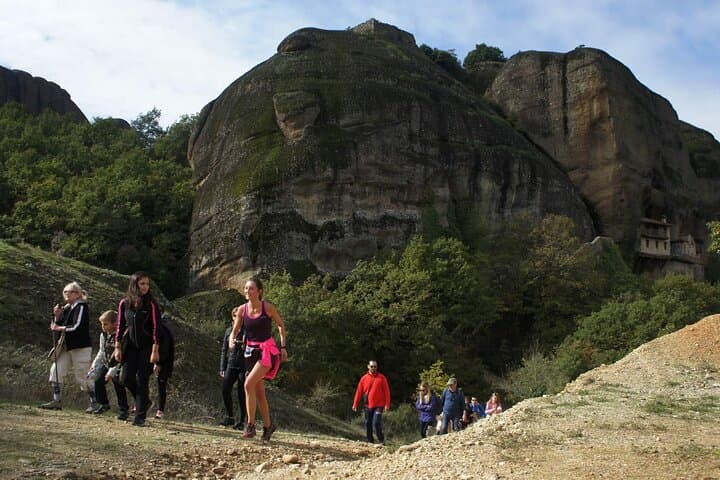
You step out of the shaded plane of Kastraki and into rock country—towering sandstone pillars that catch the sun and seem to dare your next step. The air smells of pine, dust, and a long human history; a narrow trail threads between boulders, guiding you toward ruined terraces and the hint of frescoed walls high above.
You step out of the shaded plane of Kastraki and into rock country—towering sandstone pillars that catch the sun and seem to dare your next step. The air smells of pine, dust, and a long human history; a narrow trail threads between boulders, guiding you toward ruined terraces and the hint of frescoed walls high above.
Meteora’s cliffs formed from river-borne sediments millions of years ago, later sculpted into freestanding columns by wind and water. By the 11th century hermits and then organized monastic communities made these pinnacles a place of retreat. On a private hiking exploration you follow the routes that once connected hermit caves, ruined monastic cells from Ottoman-era clashes, and the hidden Ypapanti chapel only reachable on foot.
Expect 8–10 km of walking with roughly 200–400 m cumulative ascent over uneven, rocky trails and carved steps; some climbs are steep but brief. The itinerary weaves visits to Great Meteoron or Varlaam (museum and pulley-system exhibits vary by day), viewpoints over the Thessalian plain, and time to explore one monastery interior. Guides provide local history, show ruined foundations, and point out geological strata and native flora.
Practical edge: wear grippy hiking shoes, bring 1–2 liters of water, sun protection, and a light layer for changing winds. Start early to avoid midday heat and to catch the warm light on the rocks for photographs. Respect monastery dress codes and fragile ruins—paths can be narrow and exposed, so move deliberately. With a private guide and pickup from Kalabaka, this half-day hike balances cultural depth with hands-on outdoor travel.