THE ADVENTURE COLLECTIVE® · Independent discovery and booking for outdoor travel

A full-day private drive from Athens to Meteora delivers clifftop Eastern Orthodox monasteries, striking geology and a stop at Thermopylae. Expect a long but rewarding 13–14 hour outing with steep steps, historic interiors and coastal coffee to finish.
A full-day private drive from Athens to Meteora delivers clifftop Eastern Orthodox monasteries, striking geology and a stop at Thermopylae. Expect a long but rewarding 13–14 hour outing with steep steps, historic interiors and coastal coffee to finish.
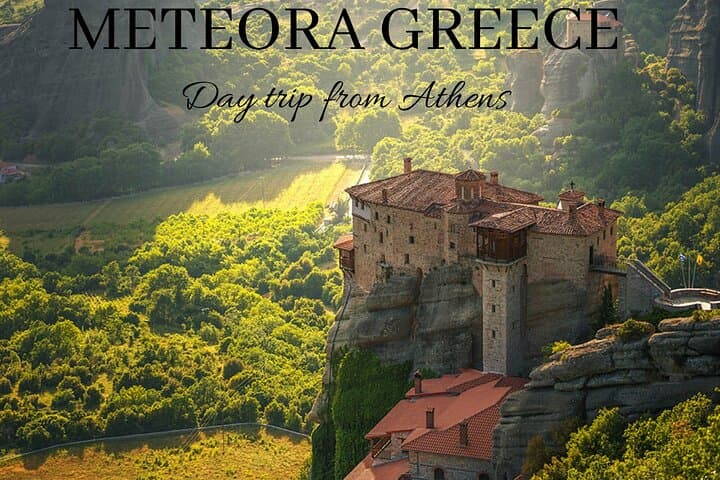
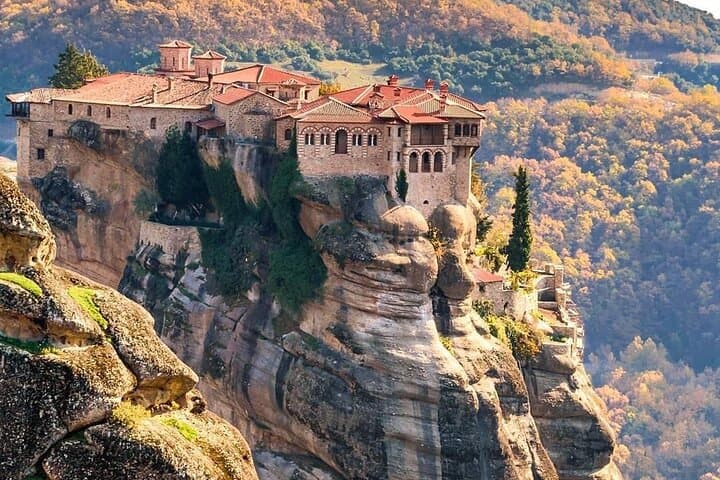
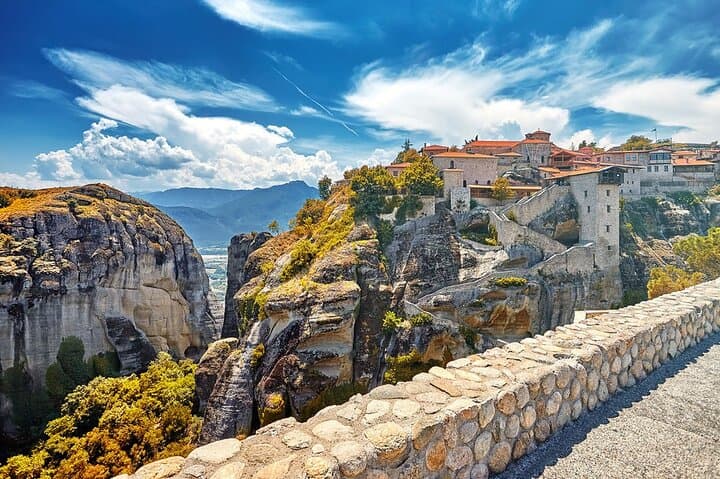
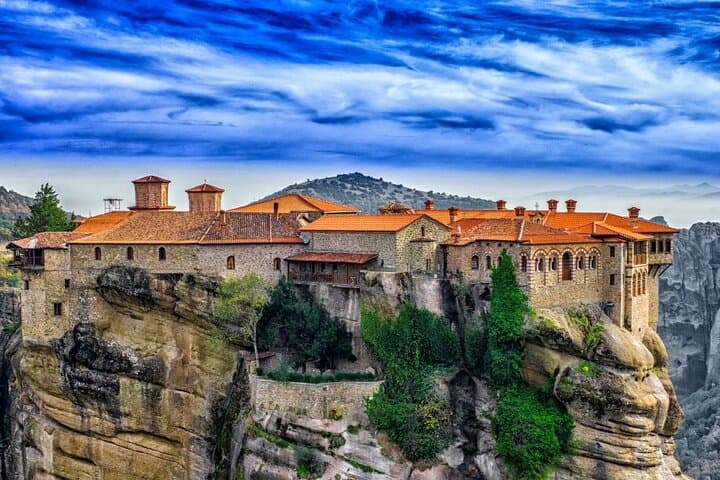
You leave Athens before dawn, the city shrinking behind you while the Thessalian plain unfurls. By midmorning the road narrows and the skyline is interrupted by towering sandstone pillars — Meteora’s cliffs rising like islands from the plain, daring you to approach. You hop from viewpoint to monastery, each site revealing frescoed interiors, narrow staircases hewn into rock, and wind that carries the scent of pine and sea from far below.
Verified experiences and guided adventures in the surrounding area.
Operated by 4 Seasons Greece Tours · Kalambaka, Thessaly
You leave Athens before dawn, the city shrinking behind you while the Thessalian plain unfurls. By midmorning the road narrows and the skyline is interrupted by towering sandstone pillars — Meteora’s cliffs rising like islands from the plain, daring you to approach. You hop from viewpoint to monastery, each site revealing frescoed interiors, narrow staircases hewn into rock, and wind that carries the scent of pine and sea from far below.
Geology here is blunt and ancient: weathered conglomerates formed some 60 million years ago have been carved by wind and water into the vertical towers you’ll climb around. Monastic life arrived in the 14th century; the six surviving monasteries (including Great Meteoron, Varlaam and Holy Trinity) house Byzantine icons and carved woodwork that explain why UNESCO recognized Meteora. The day tour typically adds a stop at Thermopylae, where the story of Leonidas and the 300 is presented in a compact, interpretive museum, and ends with a seaside pause at Kamena Vourla for a late coffee.
Practically, expect a long day — roughly 13–14 hours door-to-door from Athens — with several short uphill walks and hundreds of steps inside the monastery complexes. Dress conservatively (shoulders and knees covered) and carry water, a sun hat, and sturdy shoes. Early-season mornings can be sharp; summer afternoons bake the rocks. Bring change for small donations and allow time at viewpoints for photos: light shifts fast on those vertical faces. The private tour format gives flexibility to move slowly through the sites, making this a compact but complete way to witness Meteora’s dramatic landscape and layered history.
moderate.
13–14 hours.
Able to handle a full day of travel with multiple short hikes and stair climbs; basic mobility for steep steps required.
The private tour is approximately 13–14 hours round trip, with pickup and drop-off in Athens; expect most of the day spent traveling and visiting sites.
You’ll generally visit 2–3 monasteries depending on timing and opening hours; options include Great Meteoron, Varlaam and Holy Trinity.
Entrance policies vary; check with your operator. The tour notes that drivers do not act as licensed guides inside sites and additional guide fees may apply.
Not recommended for serious mobility issues due to steep steps and uneven surfaces inside many monasteries, though the driver can assist with vehicle access and viewpoints.
Meteora’s monasteries date primarily to the 14th century when hermits and monks established communities on inaccessible rock pillars; the complex is a UNESCO World Heritage Site and part of the Natura 2000 network.
The region is protected under Natura 2000; visitors should stay on marked paths, avoid disturbing wildlife and respect monastery rules to reduce cultural and ecological impact.
4 Seasons Greece Tours operates guided outdoor trips and adventures with an emphasis on safety, stewardship, and memorable experiences.
You leave Athens before dawn, the city shrinking behind you while the Thessalian plain unfurls. By midmorning the road narrows and the skyline is interrupted by towering sandstone pillars — Meteora’s cliffs rising like islands from the plain, daring you to approach. You hop from viewpoint to monastery, each site revealing frescoed interiors, narrow staircases hewn into rock, and wind that carries the scent of pine and sea from far below.
You leave Athens before dawn, the city shrinking behind you while the Thessalian plain unfurls. By midmorning the road narrows and the skyline is interrupted by towering sandstone pillars — Meteora’s cliffs rising like islands from the plain, daring you to approach. You hop from viewpoint to monastery, each site revealing frescoed interiors, narrow staircases hewn into rock, and wind that carries the scent of pine and sea from far below.
Geology here is blunt and ancient: weathered conglomerates formed some 60 million years ago have been carved by wind and water into the vertical towers you’ll climb around. Monastic life arrived in the 14th century; the six surviving monasteries (including Great Meteoron, Varlaam and Holy Trinity) house Byzantine icons and carved woodwork that explain why UNESCO recognized Meteora. The day tour typically adds a stop at Thermopylae, where the story of Leonidas and the 300 is presented in a compact, interpretive museum, and ends with a seaside pause at Kamena Vourla for a late coffee.
Practically, expect a long day — roughly 13–14 hours door-to-door from Athens — with several short uphill walks and hundreds of steps inside the monastery complexes. Dress conservatively (shoulders and knees covered) and carry water, a sun hat, and sturdy shoes. Early-season mornings can be sharp; summer afternoons bake the rocks. Bring change for small donations and allow time at viewpoints for photos: light shifts fast on those vertical faces. The private tour format gives flexibility to move slowly through the sites, making this a compact but complete way to witness Meteora’s dramatic landscape and layered history.