THE ADVENTURE COLLECTIVE® · Independent discovery and booking for outdoor travel

Cross the Ionian to the mainland and spend a day amid Meteora’s towering rock pillars and ancient cliff-top monasteries. This private day trip from Corfu blends a ferry crossing with guided visits to Grand Meteoron and free time in Kalambaka.
Cross the Ionian to the mainland and spend a day amid Meteora’s towering rock pillars and ancient cliff-top monasteries. This private day trip from Corfu blends a ferry crossing with guided visits to Grand Meteoron and free time in Kalambaka.
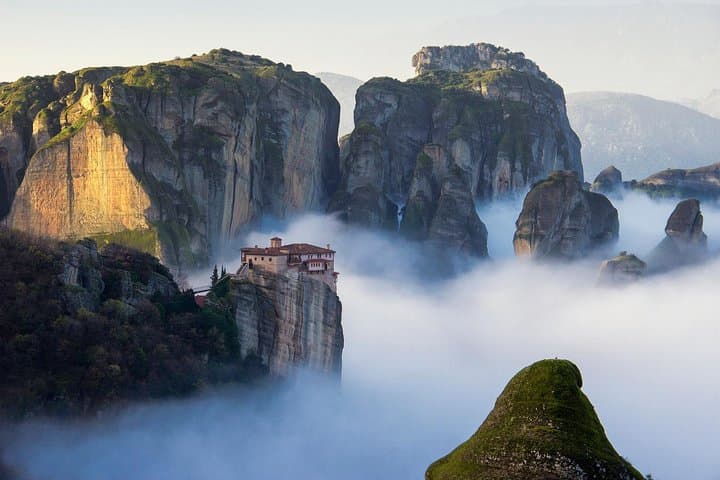
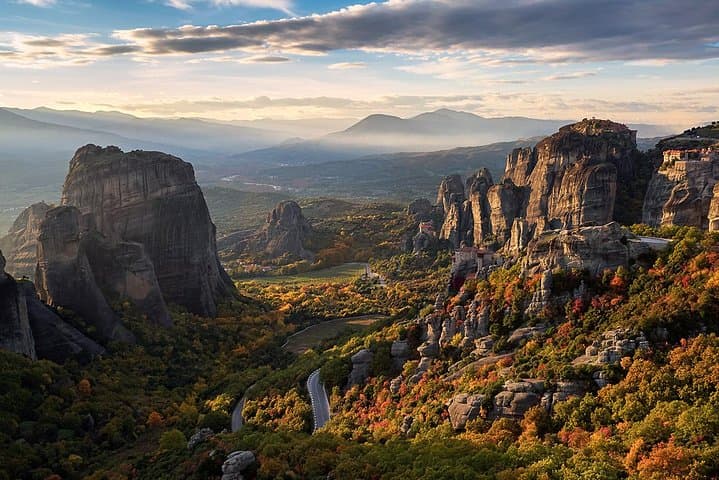
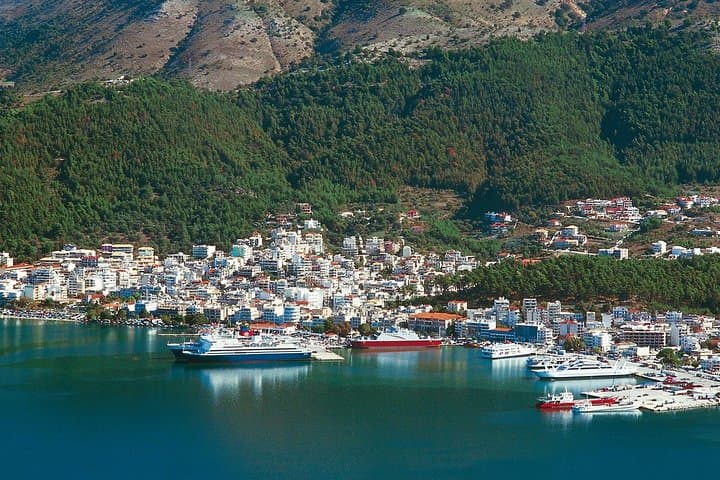
You step off the ferry with salt on your jacket and a day ahead that shifts from sea to stone. The road from Igoumenitsa climbs through Thessaly's patchwork fields and then the landscape tightens: vertical pillars of grey rock rise like columns daring you to look up. Meteora's monasteries sit on those cliffs, old stone tucked onto ledges where clouds can pass beneath your feet.
Verified experiences and guided adventures in the surrounding area.
Operated by Let's Book Travel · Kalambaka, Thessaly
You step off the ferry with salt on your jacket and a day ahead that shifts from sea to stone. The road from Igoumenitsa climbs through Thessaly's patchwork fields and then the landscape tightens: vertical pillars of grey rock rise like columns daring you to look up. Meteora's monasteries sit on those cliffs, old stone tucked onto ledges where clouds can pass beneath your feet.
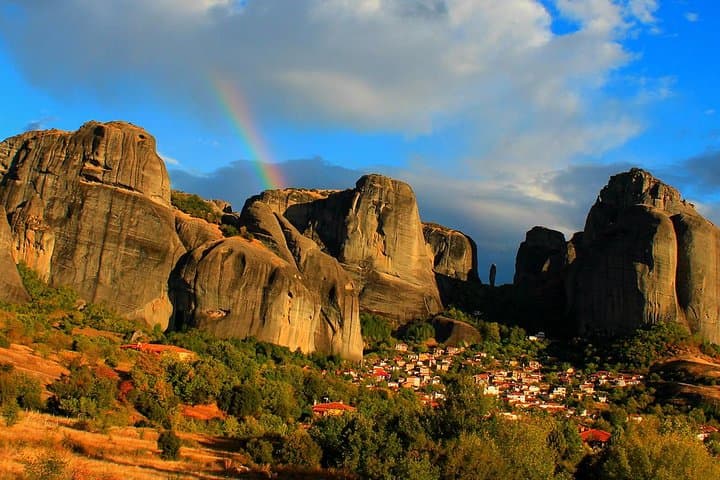
The rocks are 60 million-year-old conglomerates carved by rivers, wind and ice; monks arrived here in the 11th–14th centuries, carving paths and building cells for solitude and prayer. Grand Meteoron, the largest monastery, holds Byzantine frescoes and iconography that tell stories of faith and survival. The nearby village of Kalambaka grew where the plain meets the cliffs — a practical stop for lunch and local hospitality.
Expect a full day: a ferry crossing of roughly 1.5–2 hours, a couple of monastery visits with short climbs and staircases, and free time to explore Kalambaka. Trails range from paved walkways to uneven stone steps; the weather can switch quickly, mountain air cooling fast after midday heat. Photography is rewarding at sunrise or late afternoon when light carves the rocks.
Practical tips: wear sturdy shoes, bring water and a lightweight layer, and follow monastery dress codes (long sleeves/skirts). If you’re sensitive to heights, pick viewpoints with lower ledges. This private transfer-style tour keeps logistics simple — you travel by air-conditioned vehicle, skip complicated transfers, and get focused time at the key sites.
easy.
13 hours.
Suitable for travelers in normal physical condition; involves short to moderate walks and stair climbs.
The ferry to Igoumenitsa typically takes 1.5–2 hours depending on the vessel and sea conditions.
This tour lists admission to Grand Meteoron as included; confirm if access to additional monasteries and entry fees are covered at booking.
The overall tour is suitable for most fitness levels, but monastery visits involve stairs and uneven surfaces that may limit access for some visitors.
You’ll have about two hours in Kalambaka for lunch; local tavernas serve grilled meats, pies and regional dishes — cash and card options are usually available.
Monastic activity at Meteora expanded in the 14th century as hermit monks sought remote places to practice; several monasteries are UNESCO-listed for their cultural value.
Visitors are asked to respect fragile cliffside ecosystems and monastery rules; stick to marked paths and avoid littering to protect this fragile UNESCO landscape.
Let's Book Travel operates guided outdoor trips and adventures with an emphasis on safety, stewardship, and memorable experiences.
You step off the ferry with salt on your jacket and a day ahead that shifts from sea to stone. The road from Igoumenitsa climbs through Thessaly's patchwork fields and then the landscape tightens: vertical pillars of grey rock rise like columns daring you to look up. Meteora's monasteries sit on those cliffs, old stone tucked onto ledges where clouds can pass beneath your feet.
You step off the ferry with salt on your jacket and a day ahead that shifts from sea to stone. The road from Igoumenitsa climbs through Thessaly's patchwork fields and then the landscape tightens: vertical pillars of grey rock rise like columns daring you to look up. Meteora's monasteries sit on those cliffs, old stone tucked onto ledges where clouds can pass beneath your feet.
The rocks are 60 million-year-old conglomerates carved by rivers, wind and ice; monks arrived here in the 11th–14th centuries, carving paths and building cells for solitude and prayer. Grand Meteoron, the largest monastery, holds Byzantine frescoes and iconography that tell stories of faith and survival. The nearby village of Kalambaka grew where the plain meets the cliffs — a practical stop for lunch and local hospitality.
Expect a full day: a ferry crossing of roughly 1.5–2 hours, a couple of monastery visits with short climbs and staircases, and free time to explore Kalambaka. Trails range from paved walkways to uneven stone steps; the weather can switch quickly, mountain air cooling fast after midday heat. Photography is rewarding at sunrise or late afternoon when light carves the rocks.
Practical tips: wear sturdy shoes, bring water and a lightweight layer, and follow monastery dress codes (long sleeves/skirts). If you’re sensitive to heights, pick viewpoints with lower ledges. This private transfer-style tour keeps logistics simple — you travel by air-conditioned vehicle, skip complicated transfers, and get focused time at the key sites.