THE ADVENTURE COLLECTIVE® · Independent discovery and booking for outdoor travel

A private full-day drive through Meteora’s towering sandstone pillars and active monasteries, guided by a local English-speaking driver who customizes your itinerary. Expect history, short hikes, and quiet viewpoints away from the crowds.
A private full-day drive through Meteora’s towering sandstone pillars and active monasteries, guided by a local English-speaking driver who customizes your itinerary. Expect history, short hikes, and quiet viewpoints away from the crowds.
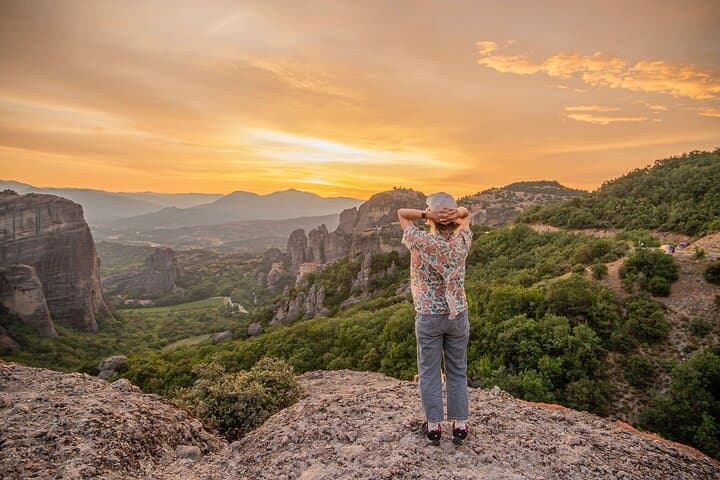
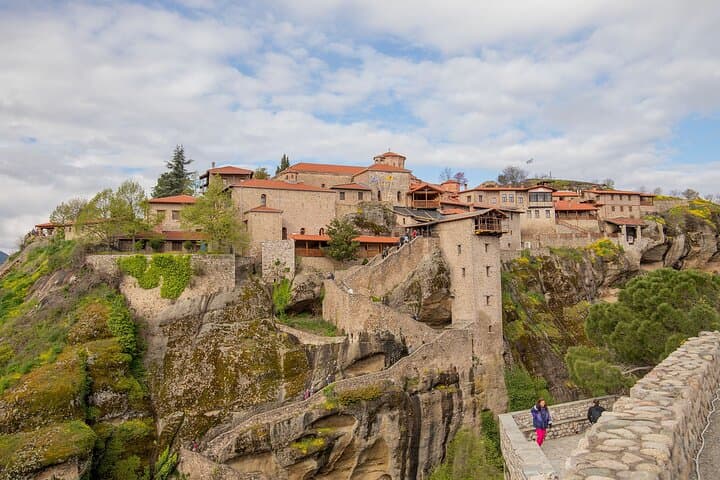
You arrive under a sky that seems to lean on the stone towers—giant columns of sandstone rising from the Thessalian plain—while a local driver opens the door and hands you a bottle of water. The road winds through fields and the village of Kastraki before the car pulls into narrow switchbacks where monasteries perch like watchful houses on spires. Silence here holds weight; footsteps echo on ancient marble.
Verified experiences and guided adventures in the surrounding area.
Operated by Visit Meteora · Kalambaka, Thessaly
You arrive under a sky that seems to lean on the stone towers—giant columns of sandstone rising from the Thessalian plain—while a local driver opens the door and hands you a bottle of water. The road winds through fields and the village of Kastraki before the car pulls into narrow switchbacks where monasteries perch like watchful houses on spires. Silence here holds weight; footsteps echo on ancient marble.
Meteora’s monasteries date to Byzantine hermits from the 11th century and flourished in the 14th–16th centuries as monastic communities built with ropes and ladders. The geology is older: Miocene sandstone sculpted by rivers and frost into pillars that challenge gravity and invite close inspection. Local culture still turns on faith and small-village rhythms—observe dress codes at active monasteries and the quiet commerce of souvenir stalls in Kalambaka.
This private, six-hour tour balances history and access: your English-speaking driver navigates permits, times, and crowd windows, and can add short hikes to hermit caves or quieter viewpoints. Expect uneven steps, narrow passages, and intermittent shade. Bring sun protection and sensible shoes; start early in summer to avoid heat and late-season crowds. Ask your driver to time visits to the three or four open monasteries and to include Kastraki viewpoints for sunset-quality light. Respect signs, avoid disturbing nesting raptors, and carry out waste. With a private car you gain flexibility—customize the pace, focus on archaeology, photography, or local legends—to turn a site-seeing day into a measured, intimate encounter with Meteora’s stone and spirit.
moderate.
6 hours.
Moderate fitness—able to walk short steep staircases and uneven trails; suitable for families with kids and older visitors with basic mobility
Drivers can schedule visits to the active monasteries open that day, but access depends on monastery hours and closures; the private format maximizes the number you can see.
Yes—this private tour is designed for families and older guests, though some visits require climbing steps and modest mobility is recommended.
Admissions are generally not included; the tour provides transport and guidance while entrance fees are paid on-site by visitors.
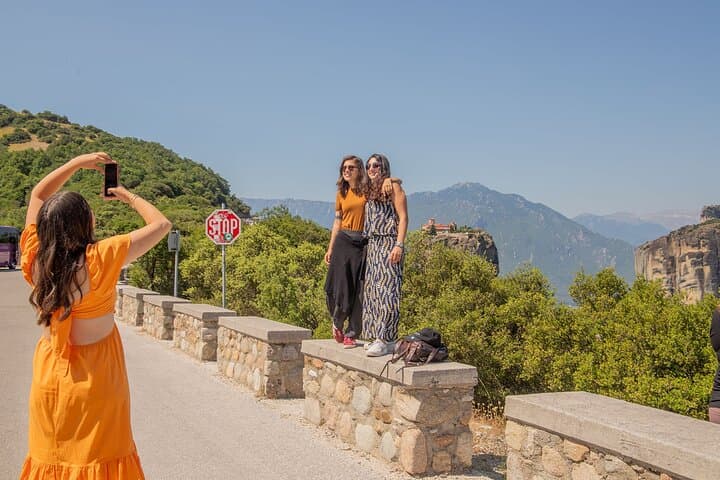
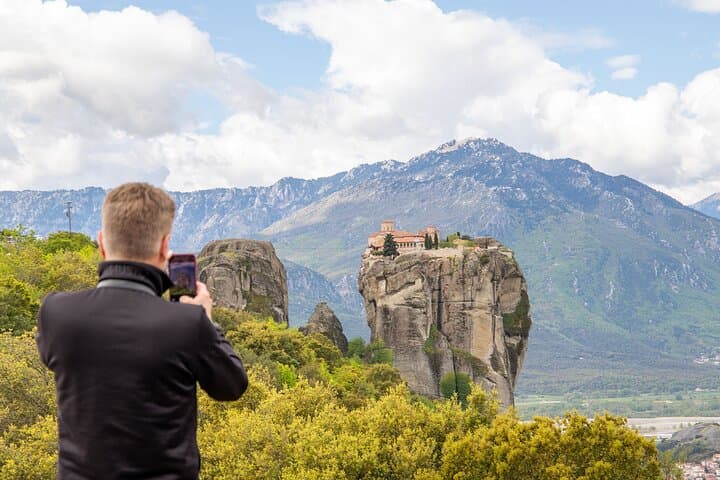
Yes—the driver can adjust the route to include photographic viewpoints, short hikes to hermit caves, or quieter sites away from the main crowds.
Meteora grew from Byzantine hermits in the 11th century into an important monastic center between the 14th and 16th centuries, built atop sandstone pillars for isolation and defense.
High visitor numbers and erosion pressure make staying on marked paths essential; support local businesses and avoid single-use plastics to reduce impact.
Visit Meteora operates guided outdoor trips and adventures with an emphasis on safety, stewardship, and memorable experiences.
You arrive under a sky that seems to lean on the stone towers—giant columns of sandstone rising from the Thessalian plain—while a local driver opens the door and hands you a bottle of water. The road winds through fields and the village of Kastraki before the car pulls into narrow switchbacks where monasteries perch like watchful houses on spires. Silence here holds weight; footsteps echo on ancient marble.
You arrive under a sky that seems to lean on the stone towers—giant columns of sandstone rising from the Thessalian plain—while a local driver opens the door and hands you a bottle of water. The road winds through fields and the village of Kastraki before the car pulls into narrow switchbacks where monasteries perch like watchful houses on spires. Silence here holds weight; footsteps echo on ancient marble.
Meteora’s monasteries date to Byzantine hermits from the 11th century and flourished in the 14th–16th centuries as monastic communities built with ropes and ladders. The geology is older: Miocene sandstone sculpted by rivers and frost into pillars that challenge gravity and invite close inspection. Local culture still turns on faith and small-village rhythms—observe dress codes at active monasteries and the quiet commerce of souvenir stalls in Kalambaka.
This private, six-hour tour balances history and access: your English-speaking driver navigates permits, times, and crowd windows, and can add short hikes to hermit caves or quieter viewpoints. Expect uneven steps, narrow passages, and intermittent shade. Bring sun protection and sensible shoes; start early in summer to avoid heat and late-season crowds. Ask your driver to time visits to the three or four open monasteries and to include Kastraki viewpoints for sunset-quality light. Respect signs, avoid disturbing nesting raptors, and carry out waste. With a private car you gain flexibility—customize the pace, focus on archaeology, photography, or local legends—to turn a site-seeing day into a measured, intimate encounter with Meteora’s stone and spirit.