THE ADVENTURE COLLECTIVE® · Independent discovery and booking for outdoor travel

Visit Meteora’s cliff-top monasteries on a brisk four-hour tour from Kalambaka. See six monasteries from panoramic viewpoints and enter three, while learning the geology and monastic history that shaped this dramatic landscape.
Visit Meteora’s cliff-top monasteries on a brisk four-hour tour from Kalambaka. See six monasteries from panoramic viewpoints and enter three, while learning the geology and monastic history that shaped this dramatic landscape.
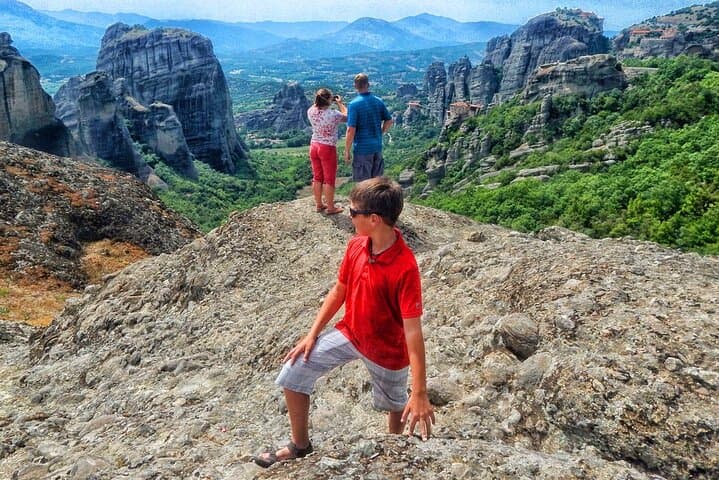
You pull off the narrow road and the pinnacles rise like carved towers, cliffs catching light and shadow as if the landscape itself were arranging a stage.
Verified experiences and guided adventures in the surrounding area.
Operated by Let's Book Travel · Kalambaka, Thessaly
You pull off the narrow road and the pinnacles rise like carved towers, cliffs catching light and shadow as if the landscape itself were arranging a stage.
Meteora’s monasteries perch on sandstone pillars created 60 million years ago by river deposits and tectonic uplift, then sculpted by wind and water into near-vertical columns. By the 14th century Byzantine monks sought refuge here, hauling themselves up by ropes and ladders to build communities that later used stairways and bridges carved into rock.
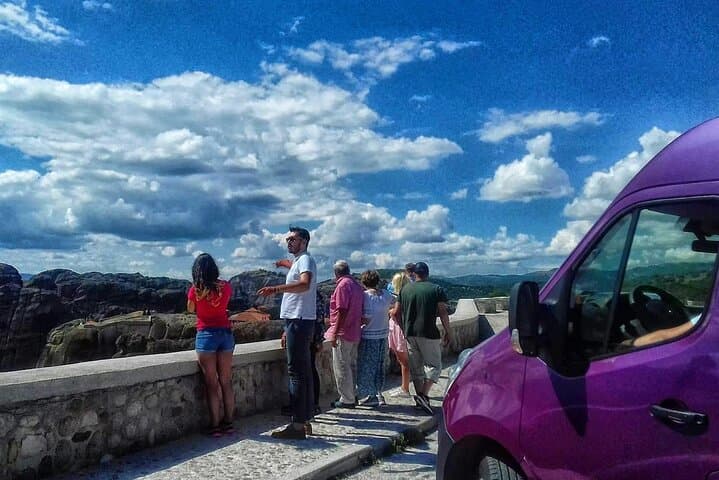
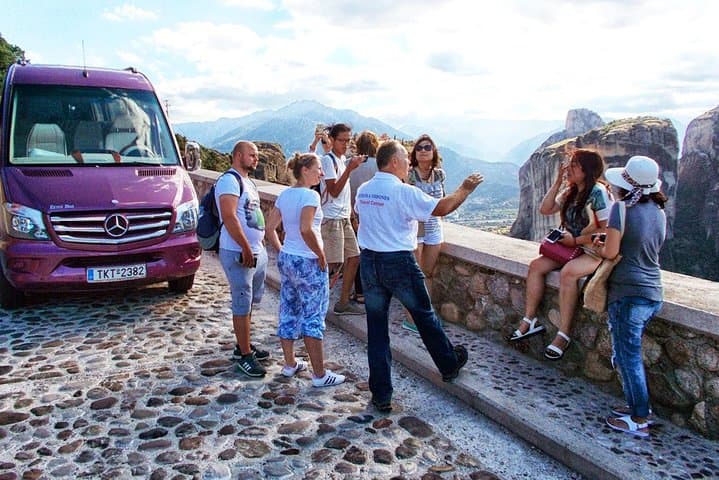
A four-hour tour from Kalambaka or Kastraki moves at a steady pace: panoramic stops for photographs, short walks to viewpoints, and visits inside three active monasteries where Byzantine frescoes, simple chapels, and centuries of monastic life are visible. The guide will explain geology—soft sandstone eroded into stacks—and the cultural rules that still govern daily life: modest dress, quiet in worship spaces, and small entrance contributions to monastery upkeep.
Expect uneven stone steps and brief climbs between parking areas and viewpoints. Light changes fast here; early or late-day tours yield the best color on the rocks. Carry water and a sun layer—the rock reflects heat in summer and steals warmth in winter. Cameras are welcome but be respectful during services; some interiors restrict tripods and photography.
Practical: pickup is available in Kalambaka/Kastraki, tour length is four hours, and the guide provides maps and Wi‑Fi on the coach. This is a cultural-nature outing—part history lesson, part rugged outlook—that rewards curiosity and a steady pair of legs.
easy.
3–4 hours.
Suitable for most fitness levels but requires the ability to walk up and down uneven stone steps and short inclines.
Entrance fees are typically not included in the base tour price; your guide will explain current fees and where they apply.
Photography rules vary—many interiors restrict flash or tripods and some rooms may be off-limits; follow signage and monk guidance.
Yes—pickup and drop-off from hotels in Kalambaka and Kastraki are generally included; confirm your pickup point at booking.
The tour is rated easy but involves steps and short walks; travelers with limited mobility should contact the operator to discuss accessibility and alternatives.
Meteora’s monastic community expanded in the 14th–16th centuries as Byzantine-era monks sought isolation; many monasteries developed into centers of art and manuscript preservation.
Monasteries and the protected geological site balance tourism with preservation—stay on paths, respect restricted areas, and contribute to entrance fees used for maintenance.
Let's Book Travel operates guided outdoor trips and adventures with an emphasis on safety, stewardship, and memorable experiences.
You pull off the narrow road and the pinnacles rise like carved towers, cliffs catching light and shadow as if the landscape itself were arranging a stage.
You pull off the narrow road and the pinnacles rise like carved towers, cliffs catching light and shadow as if the landscape itself were arranging a stage.
Meteora’s monasteries perch on sandstone pillars created 60 million years ago by river deposits and tectonic uplift, then sculpted by wind and water into near-vertical columns. By the 14th century Byzantine monks sought refuge here, hauling themselves up by ropes and ladders to build communities that later used stairways and bridges carved into rock.
A four-hour tour from Kalambaka or Kastraki moves at a steady pace: panoramic stops for photographs, short walks to viewpoints, and visits inside three active monasteries where Byzantine frescoes, simple chapels, and centuries of monastic life are visible. The guide will explain geology—soft sandstone eroded into stacks—and the cultural rules that still govern daily life: modest dress, quiet in worship spaces, and small entrance contributions to monastery upkeep.
Expect uneven stone steps and brief climbs between parking areas and viewpoints. Light changes fast here; early or late-day tours yield the best color on the rocks. Carry water and a sun layer—the rock reflects heat in summer and steals warmth in winter. Cameras are welcome but be respectful during services; some interiors restrict tripods and photography.
Practical: pickup is available in Kalambaka/Kastraki, tour length is four hours, and the guide provides maps and Wi‑Fi on the coach. This is a cultural-nature outing—part history lesson, part rugged outlook—that rewards curiosity and a steady pair of legs.