THE ADVENTURE COLLECTIVE® · Independent discovery and booking for outdoor travel

Stand beneath Meteora’s towering sandstone pillars and visit cliff-top monasteries that blend wild geology with centuries of Orthodox monastic life. This full-day tour from Athens to Kalabaka pairs dramatic views with practical on-site guidance for a seamless visit.
Stand beneath Meteora’s towering sandstone pillars and visit cliff-top monasteries that blend wild geology with centuries of Orthodox monastic life. This full-day tour from Athens to Kalabaka pairs dramatic views with practical on-site guidance for a seamless visit.
A dawn highway through Thessaly narrows the distance between Athens and an almost otherworldly skyline: towering sandstone pillars rising from a patchwork of fields, their summits crowned by centuries-old monasteries. You arrive in Kalabaka, step off the vehicle, and the rocks feel like a city of stone—wind nudging your hair, ravens calling from ledges, and staircases that climb where ropes once did.
Verified experiences and guided adventures in the surrounding area.
Operated by DRIVE YOUR DREAMS · Kalabaka, Thessaly
A dawn highway through Thessaly narrows the distance between Athens and an almost otherworldly skyline: towering sandstone pillars rising from a patchwork of fields, their summits crowned by centuries-old monasteries. You arrive in Kalabaka, step off the vehicle, and the rocks feel like a city of stone—wind nudging your hair, ravens calling from ledges, and staircases that climb where ropes once did.
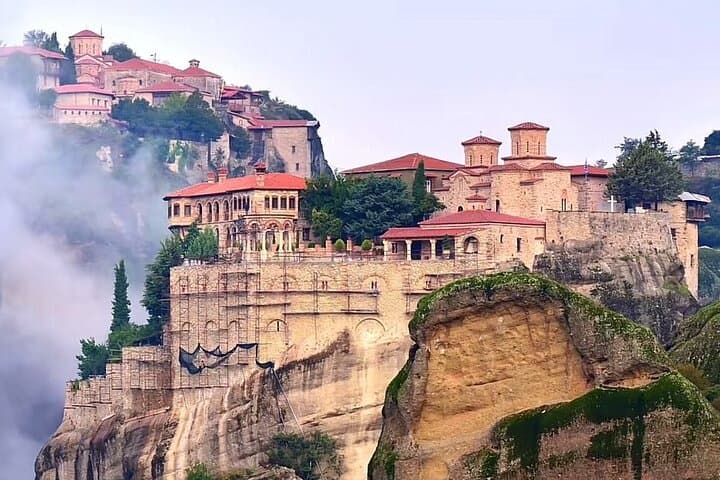
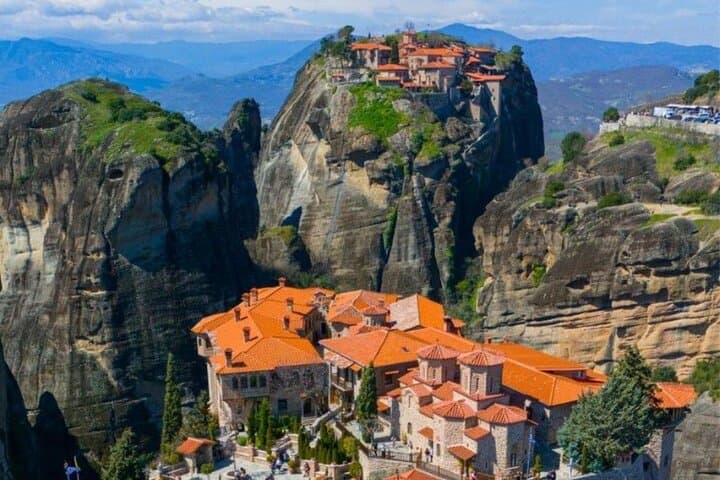
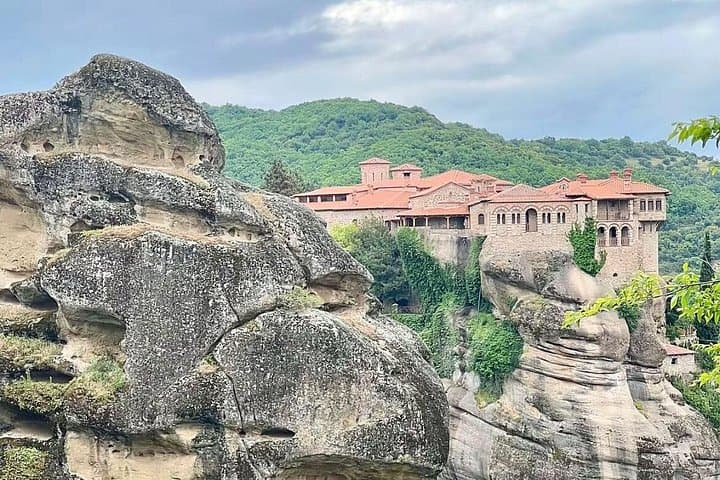
These monasteries date largely to the 14th–16th centuries, when Orthodox monks scaled the rock columns to seek solitude and safety. Geologically, Meteora is a remnant of ancient river deposits—soft sandstone and conglomerate columns weathered into dramatic towers. The result is a landscape that looks engineered for retreat: narrow ledges, caves, and natural terraces that shaped monastic life.
Local culture remains quietly present—Kalabaka’s tavernas serve saganaki and slow-brewed coffee; villagers still sell handmade beeswax candles used inside the chapels. The six active monasteries open to visitors offer frescoed chapels, modest museum rooms, and sweeping views over the plain.
Practical guide: expect moderate walking with stone steps and uneven paths; modest dress is required for entry (shoulders and knees covered). Plan for early starts to beat crowds and heat in summer, carry at least 1–2 liters of water, comfortable shoes, and a layer for breezy summits. Photography is welcome but respectful silence is enforced inside chapels. With careful pacing, a single full-day tour delivers history, geology, and close-up encounters with one of Greece’s most singular cultural landscapes.
easy.
12–13 hours.
Light to moderate fitness; able to walk stairs and short uneven trails for several hours.
The full-day tour is approximately 12–13 hours door-to-door, including travel time between Athens and the Meteora/Kalabaka area.
On many private tours admission is not included; confirm with your operator—tickets can usually be purchased on site or arranged in advance.
The tour is family-friendly but monastery access involves stairs and uneven ground; people with limited mobility may be restricted from some sites.
Modest clothing is required—shoulders and knees must be covered; some monasteries provide wraps if needed.
Meteora’s monasteries grew from 14th-century Byzantine monasticism; monks built access via ladders, ropes and carved steps to find refuge and contemplation atop the columns.
High visitor numbers and natural erosion are managed by UNESCO guidelines—stick to marked trails, avoid climbing the rock faces, and follow monastery rules to protect frescoes and fragile soils.
DRIVE YOUR DREAMS operates guided outdoor trips and adventures with an emphasis on safety, stewardship, and memorable experiences.

A dawn highway through Thessaly narrows the distance between Athens and an almost otherworldly skyline: towering sandstone pillars rising from a patchwork of fields, their summits crowned by centuries-old monasteries. You arrive in Kalabaka, step off the vehicle, and the rocks feel like a city of stone—wind nudging your hair, ravens calling from ledges, and staircases that climb where ropes once did.
A dawn highway through Thessaly narrows the distance between Athens and an almost otherworldly skyline: towering sandstone pillars rising from a patchwork of fields, their summits crowned by centuries-old monasteries. You arrive in Kalabaka, step off the vehicle, and the rocks feel like a city of stone—wind nudging your hair, ravens calling from ledges, and staircases that climb where ropes once did.
These monasteries date largely to the 14th–16th centuries, when Orthodox monks scaled the rock columns to seek solitude and safety. Geologically, Meteora is a remnant of ancient river deposits—soft sandstone and conglomerate columns weathered into dramatic towers. The result is a landscape that looks engineered for retreat: narrow ledges, caves, and natural terraces that shaped monastic life.
Local culture remains quietly present—Kalabaka’s tavernas serve saganaki and slow-brewed coffee; villagers still sell handmade beeswax candles used inside the chapels. The six active monasteries open to visitors offer frescoed chapels, modest museum rooms, and sweeping views over the plain.
Practical guide: expect moderate walking with stone steps and uneven paths; modest dress is required for entry (shoulders and knees covered). Plan for early starts to beat crowds and heat in summer, carry at least 1–2 liters of water, comfortable shoes, and a layer for breezy summits. Photography is welcome but respectful silence is enforced inside chapels. With careful pacing, a single full-day tour delivers history, geology, and close-up encounters with one of Greece’s most singular cultural landscapes.