THE ADVENTURE COLLECTIVE® · Independent discovery and booking for outdoor travel

A private full-day drive from Athens that pairs Meteora’s cliff-top monasteries with the historic pass at Thermopylae. Expect dramatic geology, Byzantine chapels, and a long but manageable day of walking and viewpoints.
A private full-day drive from Athens that pairs Meteora’s cliff-top monasteries with the historic pass at Thermopylae. Expect dramatic geology, Byzantine chapels, and a long but manageable day of walking and viewpoints.
You arrive before dawn on the Thessaly plain and the rocks of Meteora rise like ancient sentries, their sheer faces cutting the sky. The private car eases along quiet roads, the driver-guide pointing out terraces and villages as the morning light finds the monasteries perched on narrow summits. Those stone cloisters, reachable by carved stairways and switchbacks, hold Byzantine frescoes and centuries of human resolve — monks who pulled up ladders and ropes to keep the outside world at bay.
Verified experiences and guided adventures in the surrounding area.
Operated by JG Athens Tours · Kalambaka, Thessaly
You arrive before dawn on the Thessaly plain and the rocks of Meteora rise like ancient sentries, their sheer faces cutting the sky. The private car eases along quiet roads, the driver-guide pointing out terraces and villages as the morning light finds the monasteries perched on narrow summits. Those stone cloisters, reachable by carved stairways and switchbacks, hold Byzantine frescoes and centuries of human resolve — monks who pulled up ladders and ropes to keep the outside world at bay.
Geology here is blunt and clear: conglomerate pillars formed by river deposits and uplift, smoothed by millennia of wind and rain. At Thermopylae later in the day, the plain narrows and history tightens — the statue of Leonidas overlooks a coastal pass where tides and terrain once funneled armies.
The tour balances slow, reverent visiting with driving intervals; expect several short walks up staircases and pathways to reach monastery doorways and overlooks. Cultural protocols matter: modest clothing, quiet inside chapels, and small entrance fees at some monasteries. Photography is welcome outside; some interiors restrict flash.
Practical notes: it’s a long day (11–12 hours) with roadside meals in Kalambaka; bring layers for cool mornings and warmer afternoons, sturdy shoes for uneven stone steps, and a refillable bottle for walking. If you prefer a relaxed pace, confirm how many monasteries you’ll enter and request extra time at specific viewpoints. This private format is ideal for travelers who want history, geology, and dramatic views without a fixed-group rhythm.
moderate.
11–12 hours.
Suitable for average fitness—able to walk stairs and short uphill sections repeatedly throughout the day
Yes — many monasteries charge a small entrance fee paid on-site; confirm which monasteries you’ll visit to prepare exact cash.
The tour is private and adaptable, but both children and older travelers should be comfortable with stairs and short uphill approaches to access monastery buildings.
Some monasteries limit visitor numbers or have restricted hours; the driver-guide will advise and typically include at least three visits but cannot guarantee interior access at every site.
The tour includes bottled water and a lunch stop in Kalambaka; special dietary requests can be noted when booking.
Meteora’s monasteries date to the Byzantine era, established by ascetics who used ropes and ladders to access the summits; Thermopylae is famed for the 480 B.C. stand of Leonidas and his troops.
Visitor numbers are managed at monastery entrances to protect fragile frescoes and the rock environment; stick to marked paths and avoid littering to reduce erosion and damage.
JG Athens Tours operates guided outdoor trips and adventures with an emphasis on safety, stewardship, and memorable experiences.
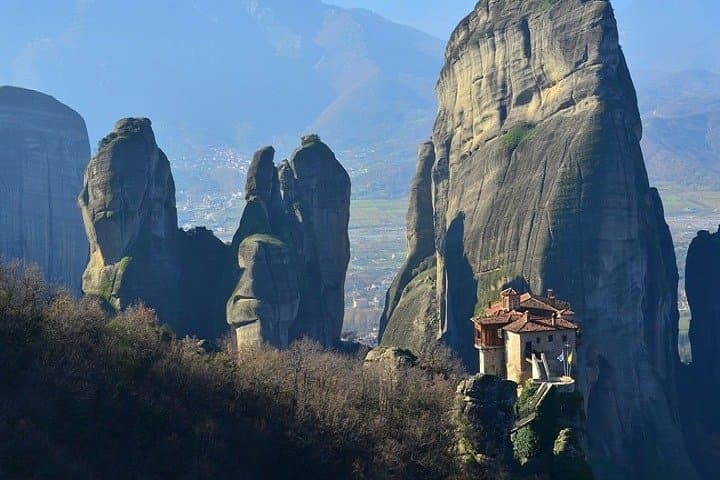
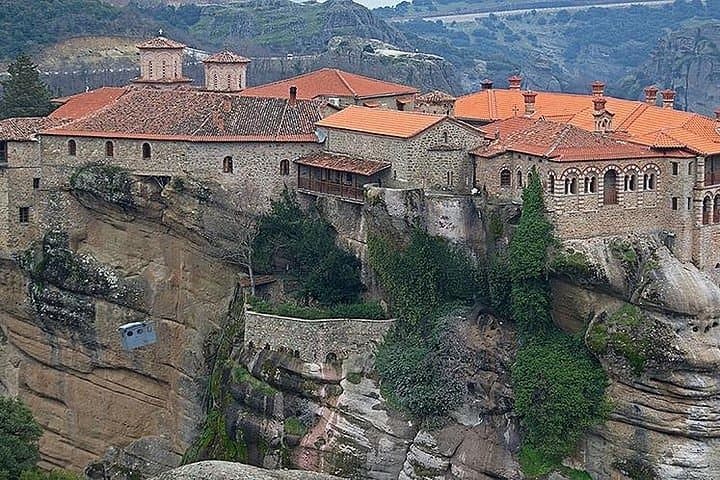
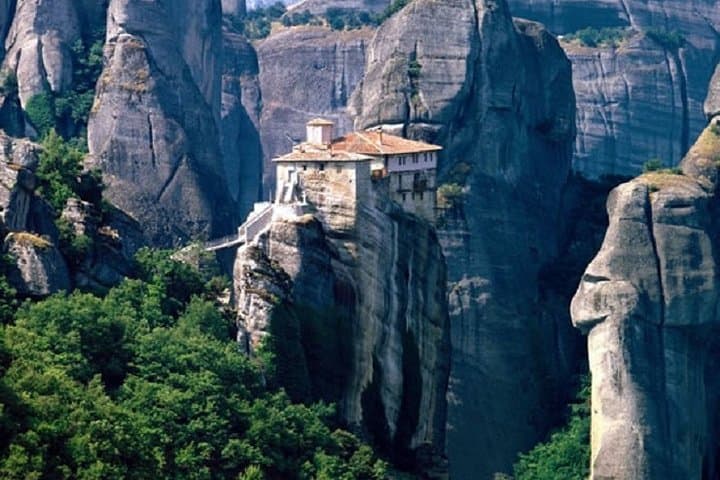
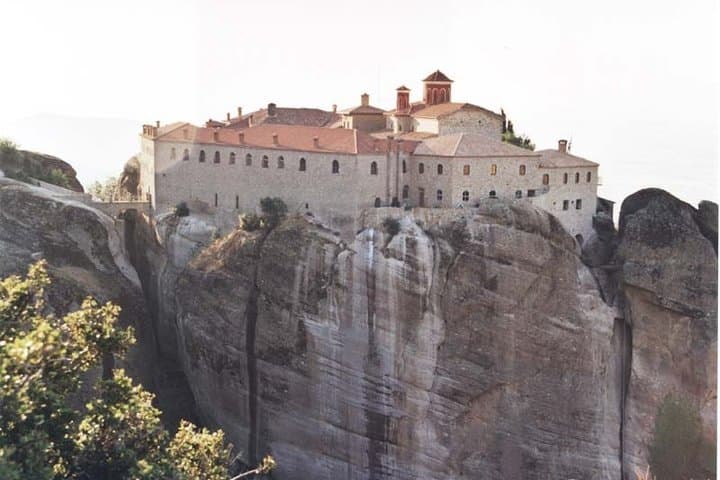
You arrive before dawn on the Thessaly plain and the rocks of Meteora rise like ancient sentries, their sheer faces cutting the sky. The private car eases along quiet roads, the driver-guide pointing out terraces and villages as the morning light finds the monasteries perched on narrow summits. Those stone cloisters, reachable by carved stairways and switchbacks, hold Byzantine frescoes and centuries of human resolve — monks who pulled up ladders and ropes to keep the outside world at bay.
You arrive before dawn on the Thessaly plain and the rocks of Meteora rise like ancient sentries, their sheer faces cutting the sky. The private car eases along quiet roads, the driver-guide pointing out terraces and villages as the morning light finds the monasteries perched on narrow summits. Those stone cloisters, reachable by carved stairways and switchbacks, hold Byzantine frescoes and centuries of human resolve — monks who pulled up ladders and ropes to keep the outside world at bay.
Geology here is blunt and clear: conglomerate pillars formed by river deposits and uplift, smoothed by millennia of wind and rain. At Thermopylae later in the day, the plain narrows and history tightens — the statue of Leonidas overlooks a coastal pass where tides and terrain once funneled armies.
The tour balances slow, reverent visiting with driving intervals; expect several short walks up staircases and pathways to reach monastery doorways and overlooks. Cultural protocols matter: modest clothing, quiet inside chapels, and small entrance fees at some monasteries. Photography is welcome outside; some interiors restrict flash.
Practical notes: it’s a long day (11–12 hours) with roadside meals in Kalambaka; bring layers for cool mornings and warmer afternoons, sturdy shoes for uneven stone steps, and a refillable bottle for walking. If you prefer a relaxed pace, confirm how many monasteries you’ll enter and request extra time at specific viewpoints. This private format is ideal for travelers who want history, geology, and dramatic views without a fixed-group rhythm.