THE ADVENTURE COLLECTIVE® · Independent discovery and booking for outdoor travel

A long day from Athens leads to Meteora’s dramatic sandstone pillars and the battlefield memory of Thermopylae. This private tour pairs geology and history with practical logistics for a single, unforgettable day trip.
A long day from Athens leads to Meteora’s dramatic sandstone pillars and the battlefield memory of Thermopylae. This private tour pairs geology and history with practical logistics for a single, unforgettable day trip.
You leave Athens before dawn and the city loosens its grip as the highway unfurls north toward the Pindus foothills. By midmorning the car threads through low pines and fields; then the landscape changes suddenly—massive sandstone pillars thrust skyward, their faces weathered into columns that seem to challenge gravity itself. Monasteries perch on those summits, their red-tiled roofs and stone walls small against the rock, monks’ chants long since quieted but still present in the air.
Verified experiences and guided adventures in the surrounding area.
Operated by Elegant Greek Tours · Kalambaka, Thessaly
You leave Athens before dawn and the city loosens its grip as the highway unfurls north toward the Pindus foothills. By midmorning the car threads through low pines and fields; then the landscape changes suddenly—massive sandstone pillars thrust skyward, their faces weathered into columns that seem to challenge gravity itself. Monasteries perch on those summits, their red-tiled roofs and stone walls small against the rock, monks’ chants long since quieted but still present in the air.
Meteora’s six active monasteries are the survivors of an original Byzantine wave that peaked in the 14th–16th centuries, listed today as a UNESCO World Heritage Site for their cultural and architectural significance. Geologically, the towers are conglomerate sandstone sculpted by river erosion and uplift over millions of years, shaped by the Pineios drainage and ancient seismic activity.
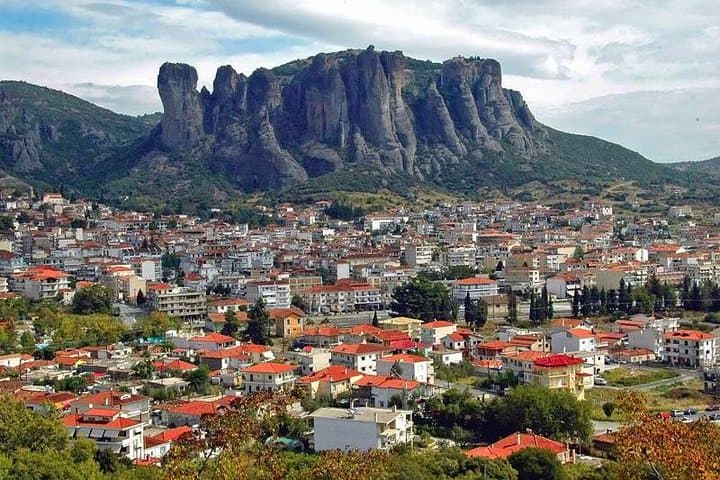
Culturally, Kalambaka and the nearby village of Kastraki serve as the human foothold—tavernas pour strong coffee and lamb stews, while locals remember monastic traditions with quiet pride. The tour halts en route for a short stop at Thermopylae: a modern monument to King Leonidas stands near the narrow pass where hot sulfur springs gave the site its name.
Practical guide: expect roughly 4 hours each way from Athens and a full 9–13 hour day. Wear sturdy shoes for uneven paths and staircases; dress modestly to enter monastic buildings (shoulders and knees covered). The private vehicle includes A/C, Wi‑Fi and bottled water, but some monastery areas have steep steps and limited accessibility. Bring cash for small entrance donations, plan lunch in a local taverna, and give yourself time for the viewpoints—sunlight can transform the rocks in minutes.
moderate.
9–13 hours.
Be comfortable with several short hikes and stair climbs; not technically demanding but requires mobility for uneven terrain.
Expect about four hours each way by car, making this a full 9–13 hour private day trip depending on stops.
Monastery entrance fees are typically paid on site and are not included in the tour price; modest donations and small entrance fees apply.
The vehicle and some viewing points are accessible, but individual monasteries have steep steps and limited access—ask in advance for specifics.
Yes—there is a scheduled 20–30 minute stop at the Leonidas monument and the Thermopylae pass en route back to Athens.
Meteora’s monasteries rose during Byzantine decline in the 14th century as monks sought isolation atop sandstone pillars; the complex later became a center of Orthodox resistance and culture.
The rock formations and fragile ecosystems are vulnerable to erosion and tourism pressure—stay on marked paths, avoid littering, and respect restricted areas.
Elegant Greek Tours operates guided outdoor trips and adventures with an emphasis on safety, stewardship, and memorable experiences.
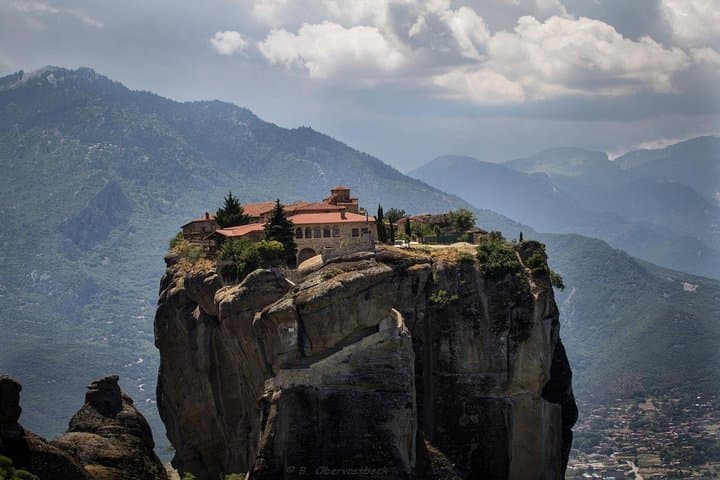
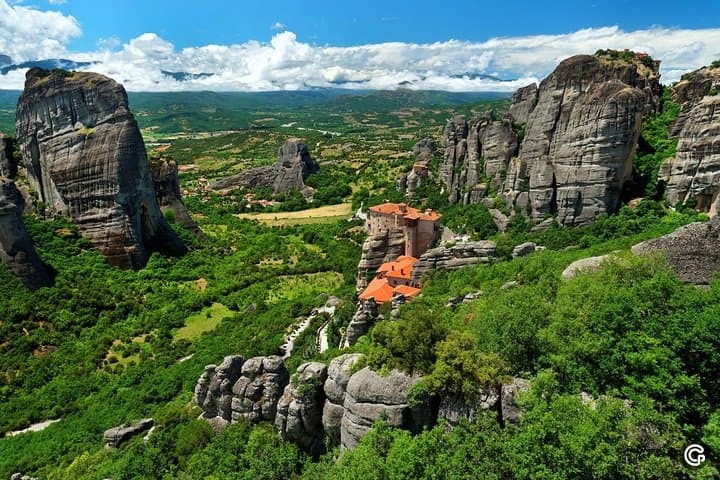
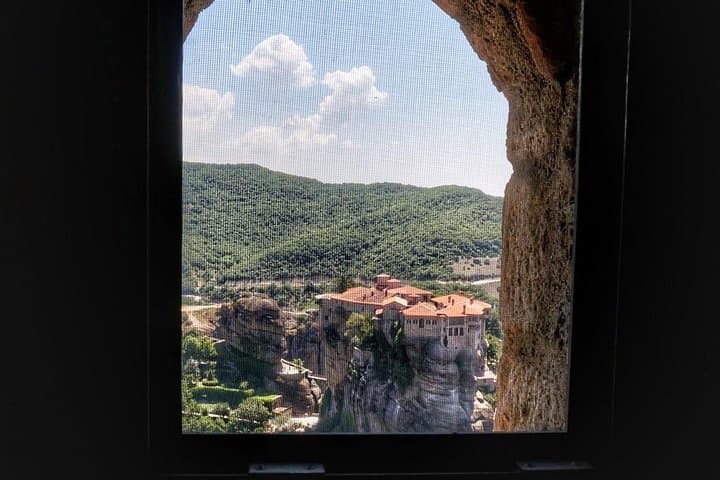
You leave Athens before dawn and the city loosens its grip as the highway unfurls north toward the Pindus foothills. By midmorning the car threads through low pines and fields; then the landscape changes suddenly—massive sandstone pillars thrust skyward, their faces weathered into columns that seem to challenge gravity itself. Monasteries perch on those summits, their red-tiled roofs and stone walls small against the rock, monks’ chants long since quieted but still present in the air.
You leave Athens before dawn and the city loosens its grip as the highway unfurls north toward the Pindus foothills. By midmorning the car threads through low pines and fields; then the landscape changes suddenly—massive sandstone pillars thrust skyward, their faces weathered into columns that seem to challenge gravity itself. Monasteries perch on those summits, their red-tiled roofs and stone walls small against the rock, monks’ chants long since quieted but still present in the air.
Meteora’s six active monasteries are the survivors of an original Byzantine wave that peaked in the 14th–16th centuries, listed today as a UNESCO World Heritage Site for their cultural and architectural significance. Geologically, the towers are conglomerate sandstone sculpted by river erosion and uplift over millions of years, shaped by the Pineios drainage and ancient seismic activity.
Culturally, Kalambaka and the nearby village of Kastraki serve as the human foothold—tavernas pour strong coffee and lamb stews, while locals remember monastic traditions with quiet pride. The tour halts en route for a short stop at Thermopylae: a modern monument to King Leonidas stands near the narrow pass where hot sulfur springs gave the site its name.
Practical guide: expect roughly 4 hours each way from Athens and a full 9–13 hour day. Wear sturdy shoes for uneven paths and staircases; dress modestly to enter monastic buildings (shoulders and knees covered). The private vehicle includes A/C, Wi‑Fi and bottled water, but some monastery areas have steep steps and limited accessibility. Bring cash for small entrance donations, plan lunch in a local taverna, and give yourself time for the viewpoints—sunlight can transform the rocks in minutes.