THE ADVENTURE COLLECTIVE® · Independent discovery and booking for outdoor travel

A private full-day drive from Athens delivers Meteora’s cliffside monasteries, carved stairways, and a traditional lunch in Kastraki—plus a stop at Thermopylae. Expect long walking days, dramatic geology, and strict monastery dress codes.
A private full-day drive from Athens delivers Meteora’s cliffside monasteries, carved stairways, and a traditional lunch in Kastraki—plus a stop at Thermopylae. Expect long walking days, dramatic geology, and strict monastery dress codes.
You arrive before the light softens on the Thessaly plain and the rocks themselves seem to breathe—ancient sandstone fingers thrusting from the earth, daring you upward. The road from Athens unwinds past olive groves until the car drops you at a viewpoint: monasteries cling to columns of rock, roofs sunburnt and small against the vault of sky.
Verified experiences and guided adventures in the surrounding area.
Operated by CRISPY LOCAL MONOPROSOΡΙ Ι.Κ.Ε. · Kalabaka, Thessaly
You arrive before the light softens on the Thessaly plain and the rocks themselves seem to breathe—ancient sandstone fingers thrusting from the earth, daring you upward. The road from Athens unwinds past olive groves until the car drops you at a viewpoint: monasteries cling to columns of rock, roofs sunburnt and small against the vault of sky.
Meteora’s human story begins with hermits in the 11th century; by the 14th century Orthodox monastic communities built cells and chapels atop nearly vertical pillars of conglomerate and sandstone. Geologically the formations are Pliocene river deposits shaped by millennia of wind and rain—layers eroded into towers, gullies, and sheer faces that funnel gusts like throat-singing instruments. The culture here is austere; modest dress is required inside active monasteries, and frescoes and liturgical objects speak to a continuous religious life.
On this private full-day route you’ll visit up to three accessible monasteries, walk carved stairways and narrow terraces, and pause for a traditional lunch of mezedes in Kastraki village. On the return you step briefly at Thermopylae, where a monumental statue of King Leonidas marks a landscape that once choked an invading army.
Practicalities: expect long days packed with walking and uneven stone steps—comfortable, broken-in footwear and layers are essential. Bring water, a small daypack, and respect dress codes (skirts available if needed). Photography is allowed in many areas but follow each monastery’s rules. Plan for an 11–14 hour day with private transfers; early starts and good light make the cliffs feel alive.
moderate.
11–14 hours.
Moderately fit—able to climb multiple flights of steep, uneven stone steps and walk several short trails over the day.
Many Meteora monasteries charge a small entrance fee payable on-site; fees vary and are not typically included in private transport-only tours.
It’s family-friendly but requires stair climbing; those with limited mobility may find steps and narrow paths challenging—notify the operator for alternatives.
Driving time is roughly 4–5 hours one way depending on traffic; the full-day itinerary commonly totals 11–14 hours including stops.
Yes—there’s usually a seated lunch in Kastraki and short windows for local shops, but prioritize monastery visits since interior access can be time-limited.
From 11th-century hermitages to 14th-century monastic foundations, Meteora developed as a refuge and spiritual center; originally 24 monasteries existed, six remain active today.
Meteora is a UNESCO site with visitor limits and conservation rules; stick to paths, avoid touching frescoes, and use local services to support the community.
CRISPY LOCAL MONOPROSOΡΙ Ι.Κ.Ε. operates guided outdoor trips and adventures with an emphasis on safety, stewardship, and memorable experiences.
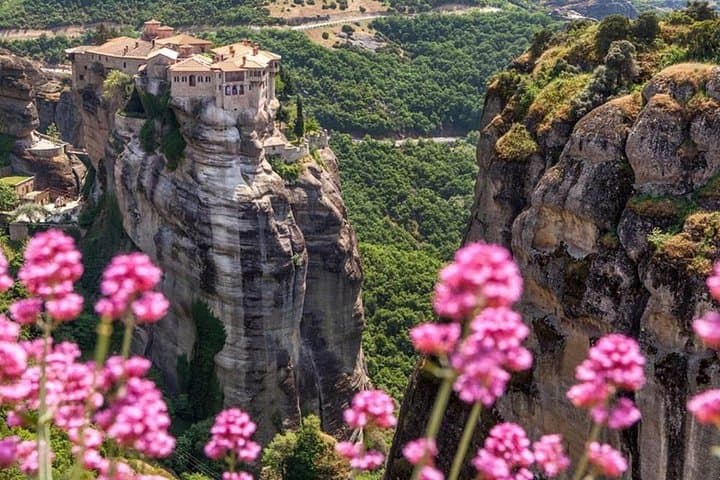
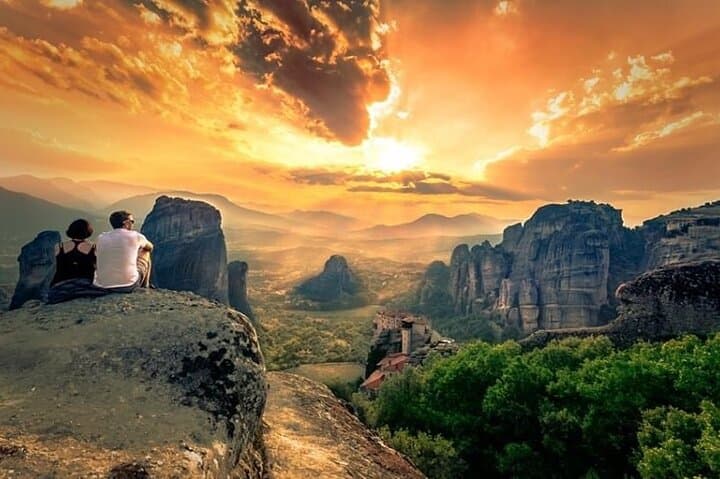
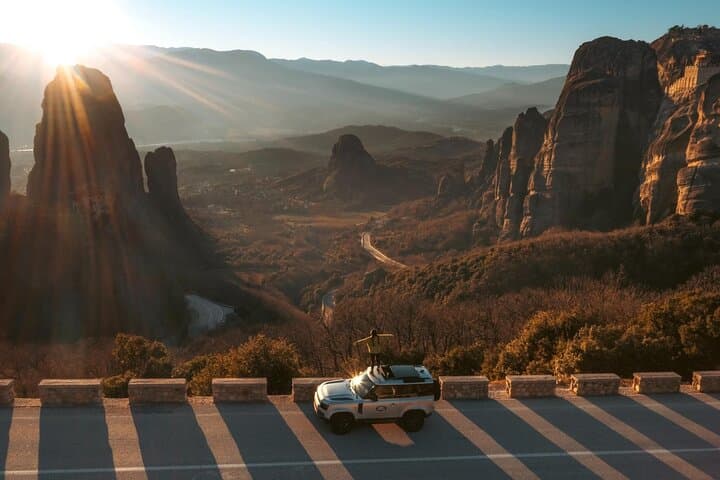
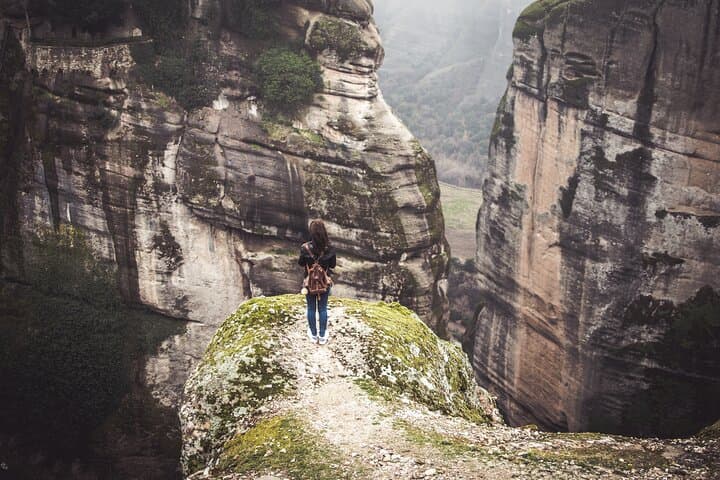
You arrive before the light softens on the Thessaly plain and the rocks themselves seem to breathe—ancient sandstone fingers thrusting from the earth, daring you upward. The road from Athens unwinds past olive groves until the car drops you at a viewpoint: monasteries cling to columns of rock, roofs sunburnt and small against the vault of sky.
You arrive before the light softens on the Thessaly plain and the rocks themselves seem to breathe—ancient sandstone fingers thrusting from the earth, daring you upward. The road from Athens unwinds past olive groves until the car drops you at a viewpoint: monasteries cling to columns of rock, roofs sunburnt and small against the vault of sky.
Meteora’s human story begins with hermits in the 11th century; by the 14th century Orthodox monastic communities built cells and chapels atop nearly vertical pillars of conglomerate and sandstone. Geologically the formations are Pliocene river deposits shaped by millennia of wind and rain—layers eroded into towers, gullies, and sheer faces that funnel gusts like throat-singing instruments. The culture here is austere; modest dress is required inside active monasteries, and frescoes and liturgical objects speak to a continuous religious life.
On this private full-day route you’ll visit up to three accessible monasteries, walk carved stairways and narrow terraces, and pause for a traditional lunch of mezedes in Kastraki village. On the return you step briefly at Thermopylae, where a monumental statue of King Leonidas marks a landscape that once choked an invading army.
Practicalities: expect long days packed with walking and uneven stone steps—comfortable, broken-in footwear and layers are essential. Bring water, a small daypack, and respect dress codes (skirts available if needed). Photography is allowed in many areas but follow each monastery’s rules. Plan for an 11–14 hour day with private transfers; early starts and good light make the cliffs feel alive.