THE ADVENTURE COLLECTIVE® · Independent discovery and booking for outdoor travel

Drive from Athens across the Thessaly plain to the cliff-top monasteries of Meteora on a private full-day tour. Expect long drives, steep stairways, UNESCO heritage sites, and sweeping viewpoints best enjoyed with sturdy shoes and sun protection.
Drive from Athens across the Thessaly plain to the cliff-top monasteries of Meteora on a private full-day tour. Expect long drives, steep stairways, UNESCO heritage sites, and sweeping viewpoints best enjoyed with sturdy shoes and sun protection.
The day begins before sunrise in Athens, the city’s lights sliding away as the road across the Thessaly plain unfolds. By mid-morning the air cools and the rock pillars of Meteora rise like ancient keepers, their vertical faces daring you to look up. Stopping at viewpoints, you get the full scale: rounded sandstone towers carved by rain and time, capped by tiny Byzantine monasteries that seem to cling to the sky.
Verified experiences and guided adventures in the surrounding area.
Operated by Athens Tours Greece · Kalabaka, Thessaly
The day begins before sunrise in Athens, the city’s lights sliding away as the road across the Thessaly plain unfolds. By mid-morning the air cools and the rock pillars of Meteora rise like ancient keepers, their vertical faces daring you to look up. Stopping at viewpoints, you get the full scale: rounded sandstone towers carved by rain and time, capped by tiny Byzantine monasteries that seem to cling to the sky.
Meteora’s story is both geological and human. The rocks formed from river-borne sediments millions of years ago and were sculpted into pillars during tectonic uplift and erosion. Monks began occupying these high outcrops in the 11th–14th centuries to seek solitude and safety; their fortified complexes became a center of Orthodox spirituality and resistance. UNESCO listed Meteora in 1988, and the area is also part of the Natura 2000 network that protects rare raptors and endemic flora.
Practicalities shape the visit: this private full-day tour is roughly 12 hours, with several short hikes and many stairs inside monastery compounds. Dress respectfully—shoulders and knees covered—and bring sturdy footwear for uneven stone steps. Expect guided roadside commentary from a professional English-speaking driver; state-licensed guides inside monasteries are optional and sometimes required. Lunch in Kalabaka is a good reset before more viewpoints or a quick stop at the Thermopylae memorial on the return.
Timing matters: arrive at viewpoints for softer light and fewer crowds. Hydration, sun protection, and moderate fitness make the day smoother. With thoughtful pacing, a Meteora day trip from Athens combines dramatic geology, layered history, and a clear sense of why these monasteries chose the heights.
challenging.
12 hours.
Good stamina for several short hikes, many stairs and a long day sitting in the vehicle; not suitable for limited mobility without assistance.
Yes—the tour includes pickup and drop-off from Athens hotels at the arranged time.
Monastery admissions are not specified as included; verify with the operator and have small cash for entry donations where required.
Not typically—daily closures mean most tours visit two and, if time and fitness allow, a third; the driver can advise which are open that day.
Children with stamina can do it, but the trip involves many stairs and long vehicle time; it’s not ideal for those with limited mobility without special arrangements.
Monastic life on Meteora expanded in the 14th–16th centuries as monks sought refuge from political turmoil; the monasteries later became important centers of Orthodox art and manuscript preservation.
Meteora is part of Natura 2000; visitors should stay on marked paths, avoid touching frescoes, and follow monastery rules to limit wear on fragile structures.
Athens Tours Greece operates guided outdoor trips and adventures with an emphasis on safety, stewardship, and memorable experiences.
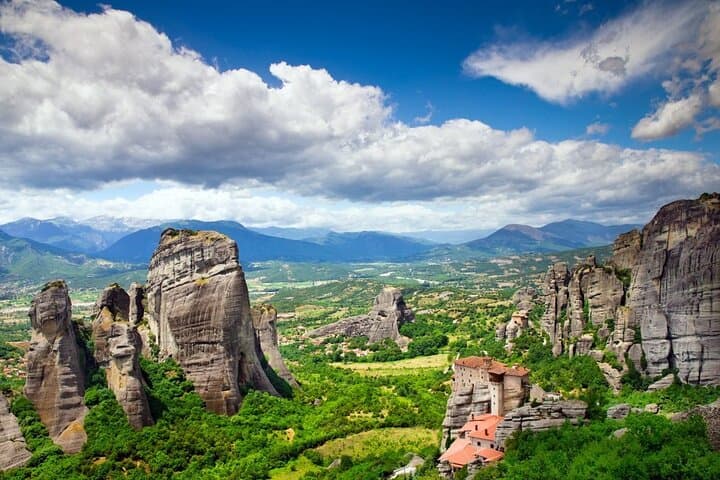
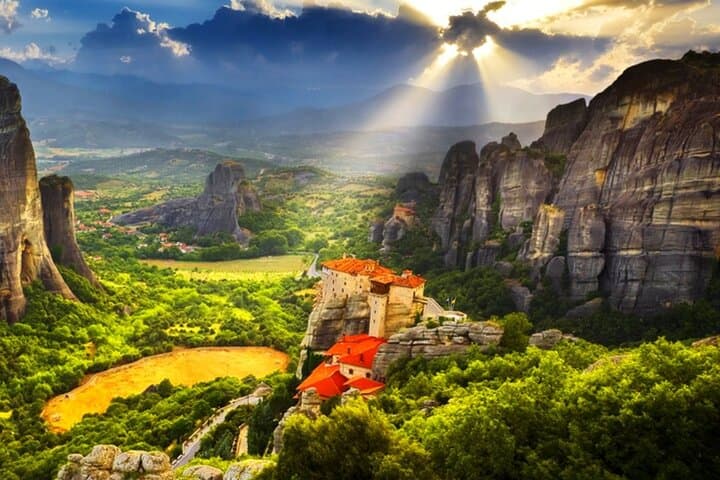
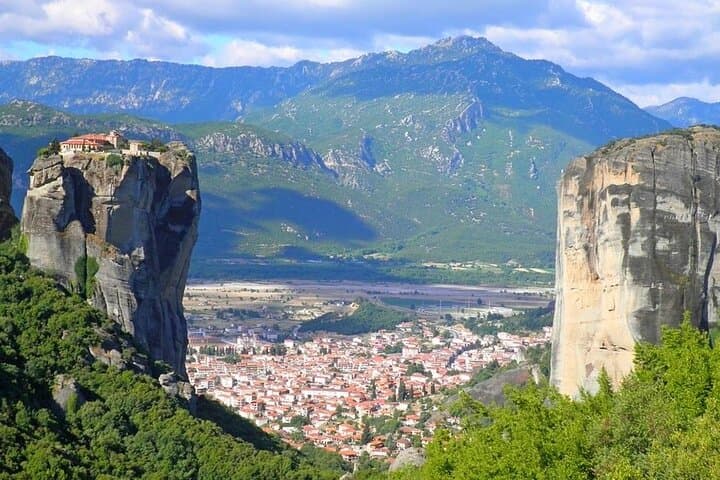
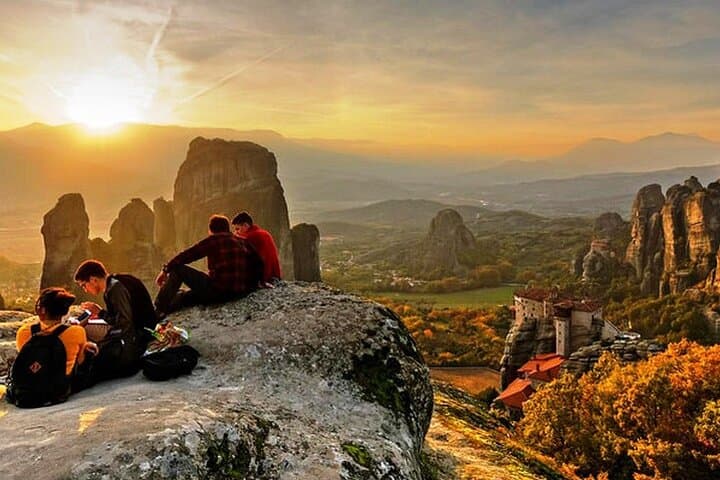
The day begins before sunrise in Athens, the city’s lights sliding away as the road across the Thessaly plain unfolds. By mid-morning the air cools and the rock pillars of Meteora rise like ancient keepers, their vertical faces daring you to look up. Stopping at viewpoints, you get the full scale: rounded sandstone towers carved by rain and time, capped by tiny Byzantine monasteries that seem to cling to the sky.
The day begins before sunrise in Athens, the city’s lights sliding away as the road across the Thessaly plain unfolds. By mid-morning the air cools and the rock pillars of Meteora rise like ancient keepers, their vertical faces daring you to look up. Stopping at viewpoints, you get the full scale: rounded sandstone towers carved by rain and time, capped by tiny Byzantine monasteries that seem to cling to the sky.
Meteora’s story is both geological and human. The rocks formed from river-borne sediments millions of years ago and were sculpted into pillars during tectonic uplift and erosion. Monks began occupying these high outcrops in the 11th–14th centuries to seek solitude and safety; their fortified complexes became a center of Orthodox spirituality and resistance. UNESCO listed Meteora in 1988, and the area is also part of the Natura 2000 network that protects rare raptors and endemic flora.
Practicalities shape the visit: this private full-day tour is roughly 12 hours, with several short hikes and many stairs inside monastery compounds. Dress respectfully—shoulders and knees covered—and bring sturdy footwear for uneven stone steps. Expect guided roadside commentary from a professional English-speaking driver; state-licensed guides inside monasteries are optional and sometimes required. Lunch in Kalabaka is a good reset before more viewpoints or a quick stop at the Thermopylae memorial on the return.
Timing matters: arrive at viewpoints for softer light and fewer crowds. Hydration, sun protection, and moderate fitness make the day smoother. With thoughtful pacing, a Meteora day trip from Athens combines dramatic geology, layered history, and a clear sense of why these monasteries chose the heights.