THE ADVENTURE COLLECTIVE® · Independent discovery and booking for outdoor travel

Experience Meteora’s soaring sandstone pillars and centuries-old monasteries on a private full-day tour from Athens. Blend geology, history and culture across Kalampaka and Thermopylae with guided stops and practical logistics handled for you.
Experience Meteora’s soaring sandstone pillars and centuries-old monasteries on a private full-day tour from Athens. Blend geology, history and culture across Kalampaka and Thermopylae with guided stops and practical logistics handled for you.
Morning light carves the sandstone pillars into sharp silhouettes as the van leaves Athens, trading urban sprawl for open plains and a bracket of sea and lake on the horizon.
Verified experiences and guided adventures in the surrounding area.
Operated by TSquared_Travel · Kalampaka, Thessaly
Morning light carves the sandstone pillars into sharp silhouettes as the van leaves Athens, trading urban sprawl for open plains and a bracket of sea and lake on the horizon.
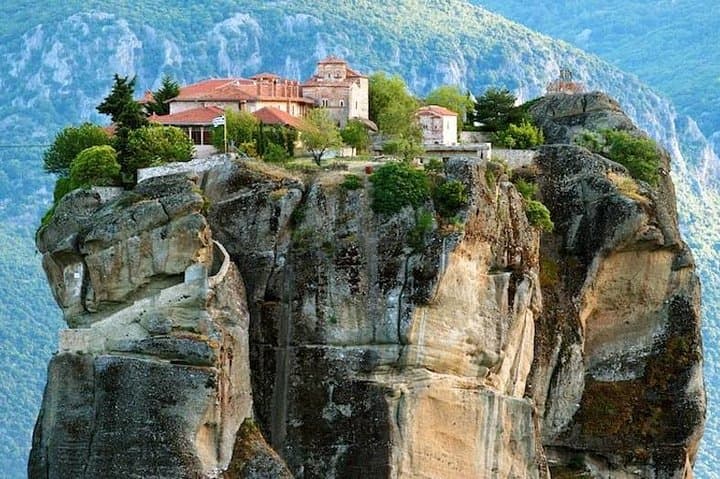
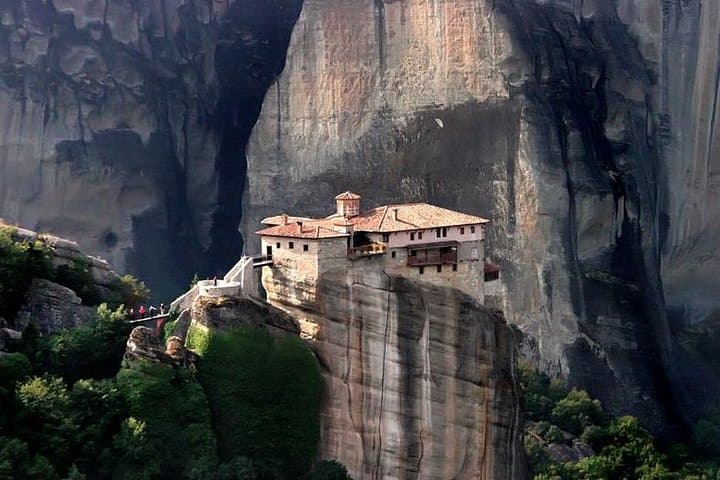
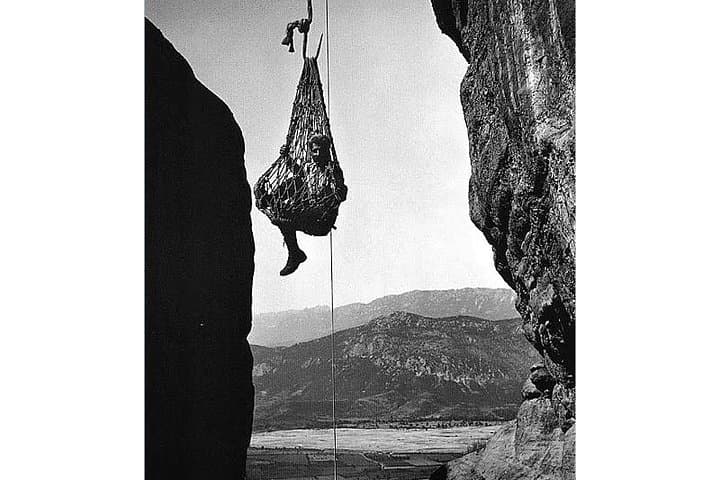
By midmorning the road climbs into central Greece and the rocks of Meteora appear—towering, wind-sculpted columns that seem to dare gravity itself. The monasteries sit atop these pillars like human decisions etched into stone; step through their courtyards and you meet centuries of Orthodox practice, icon painting and a rhythm of life that once relied on rope nets and wooden ladders.
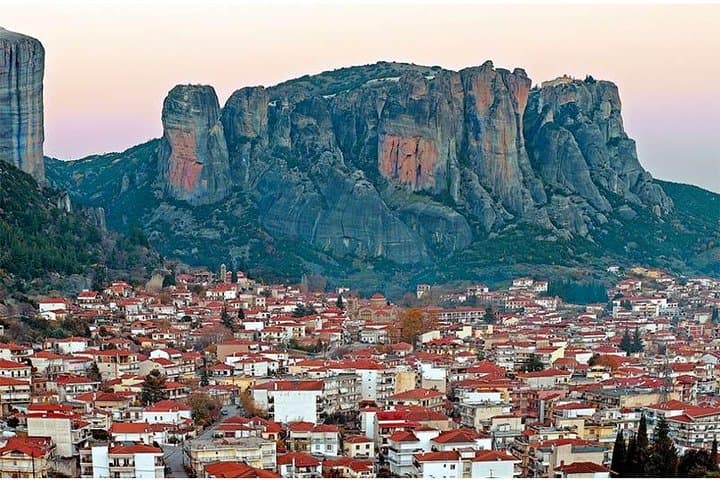
Geologically, Meteora is a relic of the Tertiary sea floor uplifted and eroded into conglomerate and sandstone; culturally it became a monastic stronghold in the 14th century when ascetics retreated to caverns and later built the churches that still function today. The area is a UNESCO World Heritage Site and part of the Natura 2000 network, protecting rare raptors and flora. The tour usually includes Kalampaka for lunch and a later visit to Thermopylae with its Leonidas statue, linking natural spectacle with key moments of Greek history.
Practical side: expect short steep stair climbs at monastery entrances, modest dress codes, and small admission fees. The full-day schedule is long—plan for 10–12 hours with restroom stops and a seated lunch in Kalampaka. Wear grippy shoes, carry water and a light layer for breezy clifftops. Early departures from Athens avoid crowds and midday heat; staying overnight in Kalampaka gives a quieter sunrise on the rocks. Photography is generous but respectful—keep voices low and follow posted rules to preserve this fragile landscape.
easy.
12 hours.
Suitable for travelers in basic fitness; involves short, steep stair climbs and standing at viewpoints.
Entrance fees are typically not included; most active monasteries charge a small fee (a few euros) and have specific opening hours and occasional closures.
The tour is family-friendly, but monastery access involves stairs and narrow paths—strollers may be impractical at the monastery sites.
Yes—modest clothing is required: long pants for men and skirts or long trousers for women, and shoulders covered; some sites provide wraps if needed.
Yes—this is a full-day private tour departing from and returning to Athens, with roughly 10–12 hours on the road including stops.
Hermit monks first occupied caverns here and from the 14th century built the monasteries; the complex evolved into an important center of Orthodox monasticism and iconography.
Meteora is both UNESCO-listed and part of Natura 2000—stay on marked paths, avoid litter, and respect seasonal restrictions to limit visitor impact.
TSquared_Travel operates guided outdoor trips and adventures with an emphasis on safety, stewardship, and memorable experiences.
Morning light carves the sandstone pillars into sharp silhouettes as the van leaves Athens, trading urban sprawl for open plains and a bracket of sea and lake on the horizon.
Morning light carves the sandstone pillars into sharp silhouettes as the van leaves Athens, trading urban sprawl for open plains and a bracket of sea and lake on the horizon.
By midmorning the road climbs into central Greece and the rocks of Meteora appear—towering, wind-sculpted columns that seem to dare gravity itself. The monasteries sit atop these pillars like human decisions etched into stone; step through their courtyards and you meet centuries of Orthodox practice, icon painting and a rhythm of life that once relied on rope nets and wooden ladders.
Geologically, Meteora is a relic of the Tertiary sea floor uplifted and eroded into conglomerate and sandstone; culturally it became a monastic stronghold in the 14th century when ascetics retreated to caverns and later built the churches that still function today. The area is a UNESCO World Heritage Site and part of the Natura 2000 network, protecting rare raptors and flora. The tour usually includes Kalampaka for lunch and a later visit to Thermopylae with its Leonidas statue, linking natural spectacle with key moments of Greek history.
Practical side: expect short steep stair climbs at monastery entrances, modest dress codes, and small admission fees. The full-day schedule is long—plan for 10–12 hours with restroom stops and a seated lunch in Kalampaka. Wear grippy shoes, carry water and a light layer for breezy clifftops. Early departures from Athens avoid crowds and midday heat; staying overnight in Kalampaka gives a quieter sunrise on the rocks. Photography is generous but respectful—keep voices low and follow posted rules to preserve this fragile landscape.