THE ADVENTURE COLLECTIVE® · Independent discovery and booking for outdoor travel

A long, panoramic day trip from Athens to the towering rock monasteries of Meteora—explore caves and three monasteries, enjoy local lunch options, and learn the area's layered history. Practical tips on dress code, cash for entrances, and what to expect on the long travel day.
A long, panoramic day trip from Athens to the towering rock monasteries of Meteora—explore caves and three monasteries, enjoy local lunch options, and learn the area's layered history. Practical tips on dress code, cash for entrances, and what to expect on the long travel day.
You leave Athens before sunrise and the coach hums north, the plain widening and the first columns of rock appearing like dark sentries on the horizon.
Verified experiences and guided adventures in the surrounding area.
Operated by Meteora Thrones -Travel Center · Kalabaka, Thessaly
You leave Athens before sunrise and the coach hums north, the plain widening and the first columns of rock appearing like dark sentries on the horizon.
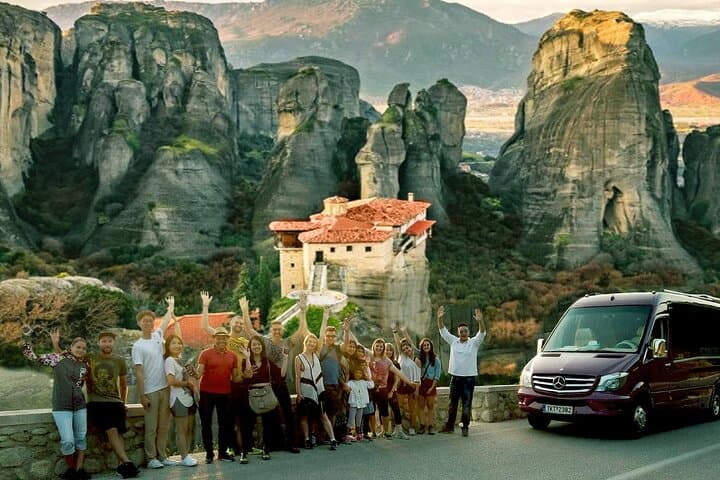
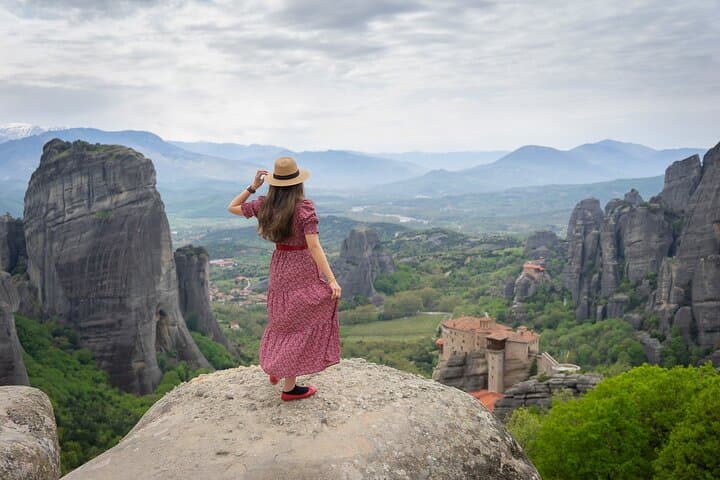
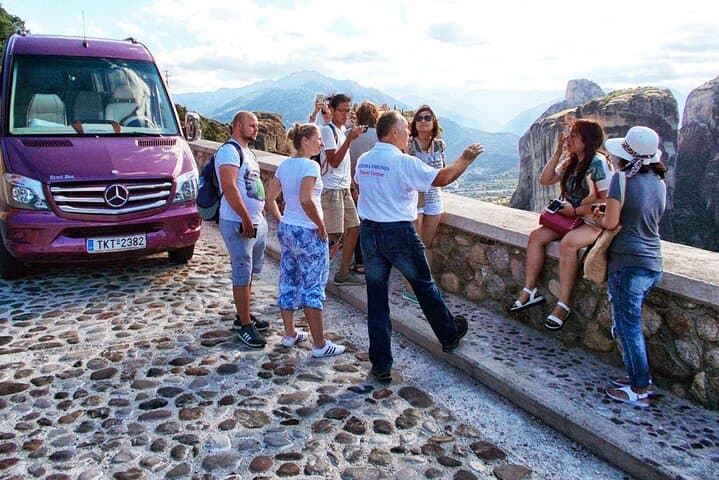
By midday the pillars of Meteora rise in close ranks—tall, weathered towers of conglomerate stone that seem to dare you to climb. The air smells of dust and thyme; the wind finds narrow ledges and plays along old stone steps. Your guide points to carved hermit caves where solitary monks lived centuries ago and to ropes-and-ladder stories that explain how these remote monasteries began.
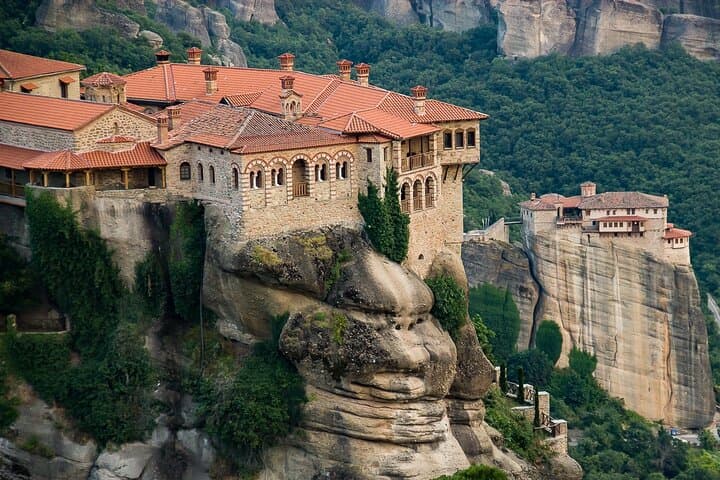
Geologically, Meteora is a product of river deposits and tectonic uplift from the Miocene, sculpted by millennia of rain and frost into the blunt pillars you see. Culturally, these rock-top monasteries became refuges for Byzantine ascetics in the 11th–15th centuries and remain active religious sites; frescoes and small museums preserve that history.
Practicalities matter on a full-day run from Athens: expect a long travel day—roughly 14–15 hours round trip—plus four hours exploring the site. Most visitors climb stone steps to reach monastery entries; there are no elevators and modest dress is strictly enforced. Bring cash (each monastery charges ~5€), a charged smartphone and headphones to use the provided audio guide, sturdy shoes, and a light layer for wind-exposed viewpoints. If you opt for lunch, local tavernas near Kalabaka offer simple, well-prepared Greek plates with a view.
This trip balances cultural immersion and natural drama—plan for lots of photos, several short hikes between viewpoints, and steps that reward effort with expansive, timeless panoramas.
moderate.
14–15 hours.
Basic fitness for climbing stone stairs, short uphill walks, and standing during tours; not suitable for people with severe mobility restrictions.
No, entry is typically paid on-site (~€5 per monastery) and must be paid in cash—carry small euro notes.
Access involves many stone steps and uneven paths; those with limited mobility may find it difficult to enter most monasteries.
Lunch at a local restaurant is optional at booking; you can also bring snacks, but full meals are easier if you select the lunch add-on.
Expect several short walks between viewpoints and stair climbs to the monastery entrances—plan for light hiking and standing during explorations.
Meteora’s monasteries grew from 11th–15th century monastic communities who sought isolation on the emergent rock pillars; many structures date to the Byzantine era and later Ottoman period.
Meteora is a protected UNESCO landscape—visit respectfully, stick to marked paths, and support local conservation by following dress and behavior rules to limit wear on fragile sites.
Meteora Thrones -Travel Center operates guided outdoor trips and adventures with an emphasis on safety, stewardship, and memorable experiences.
You leave Athens before sunrise and the coach hums north, the plain widening and the first columns of rock appearing like dark sentries on the horizon.
You leave Athens before sunrise and the coach hums north, the plain widening and the first columns of rock appearing like dark sentries on the horizon.
By midday the pillars of Meteora rise in close ranks—tall, weathered towers of conglomerate stone that seem to dare you to climb. The air smells of dust and thyme; the wind finds narrow ledges and plays along old stone steps. Your guide points to carved hermit caves where solitary monks lived centuries ago and to ropes-and-ladder stories that explain how these remote monasteries began.
Geologically, Meteora is a product of river deposits and tectonic uplift from the Miocene, sculpted by millennia of rain and frost into the blunt pillars you see. Culturally, these rock-top monasteries became refuges for Byzantine ascetics in the 11th–15th centuries and remain active religious sites; frescoes and small museums preserve that history.
Practicalities matter on a full-day run from Athens: expect a long travel day—roughly 14–15 hours round trip—plus four hours exploring the site. Most visitors climb stone steps to reach monastery entries; there are no elevators and modest dress is strictly enforced. Bring cash (each monastery charges ~5€), a charged smartphone and headphones to use the provided audio guide, sturdy shoes, and a light layer for wind-exposed viewpoints. If you opt for lunch, local tavernas near Kalabaka offer simple, well-prepared Greek plates with a view.
This trip balances cultural immersion and natural drama—plan for lots of photos, several short hikes between viewpoints, and steps that reward effort with expansive, timeless panoramas.