THE ADVENTURE COLLECTIVE® · Independent discovery and booking for outdoor travel

See Meteora’s monasteries perched on sandstone pillars during a compact 4-hour small-group tour from Kalabaka. Visit three interiors, photograph the remaining cliffside complexes, and learn the geological and monastic history that shaped this UNESCO landscape.
See Meteora’s monasteries perched on sandstone pillars during a compact 4-hour small-group tour from Kalabaka. Visit three interiors, photograph the remaining cliffside complexes, and learn the geological and monastic history that shaped this UNESCO landscape.
The van pulls away from Kalabaka and, within minutes, the landscape tightens: colossal pillars of sandstone and conglomerate rise like ruined towers, weathered faces daring you to look up. Meteora is less a mountain range than a crowd of stone chimneys—each topped by a small patch of human life: monasteries clinging to ledges, bells testing the wind.
Verified experiences and guided adventures in the surrounding area.
Operated by Meteora Rocks · Kalabaka, Thessaly
The van pulls away from Kalabaka and, within minutes, the landscape tightens: colossal pillars of sandstone and conglomerate rise like ruined towers, weathered faces daring you to look up. Meteora is less a mountain range than a crowd of stone chimneys—each topped by a small patch of human life: monasteries clinging to ledges, bells testing the wind.
Those monasteries began appearing in the 11th–14th centuries as monks sought solitude and safety. Over centuries they were hoisted into place by ropes and pulleys, their frescoed interiors preserving Byzantine devotion. Geologically, Meteora’s pillars are the product of river deposits compacted and uplifted, then sculpted by erosion into the dramatic columns you see today.
Culture here is restrained: communities of monks and nuns still maintain some of the sites, and visitors move through a lived religious landscape rather than a museum. Local Kastraki tavernas dish up Thessalian fare after a morning of cliffside views.
Practical guidance: this shared, air-conditioned tour runs about four hours and covers interior visits to three monasteries with exterior views of the rest. Expect short, steep stairways and uneven stone paths at monastery entrances; modest dress is required (shoulders and knees covered). The small-group format keeps transitions quick, and bottled water and hotel pickup/drop-off from Kalabaka or Kastraki are included. For best light and fewer crowds aim for morning or late afternoon; bring sturdy shoes, sun protection, and a camera with a spare battery—the views reward the effort.
easy.
4 hours.
Suitable for most fitness levels—mostly seated travel with brief walks and stair climbs inside monasteries
Entrance fees for the three monasteries visited on the itinerary are included as noted on the tour.
Yes—pickup and drop-off from hotels or Airbnbs in Kalabaka and Kastraki are included in the tour price.
The tour is wheelchair accessible for vehicle transport, but monastery interiors and stairways may not be fully accessible—contact the operator ahead to discuss needs.
Photography rules vary by monastery; many prohibit flash or photos in certain chapels—obey signs and staff instructions to respect worship spaces.
Meteora’s monasteries rose between the 11th and 16th centuries as monastic communities sought refuge; several are active and the complex is a UNESCO World Heritage Site.
The rock formations and monastic sites are fragile—stay on marked paths, follow visitor rules, and support local businesses that practice sustainable tourism.
Meteora Rocks operates guided outdoor trips and adventures with an emphasis on safety, stewardship, and memorable experiences.
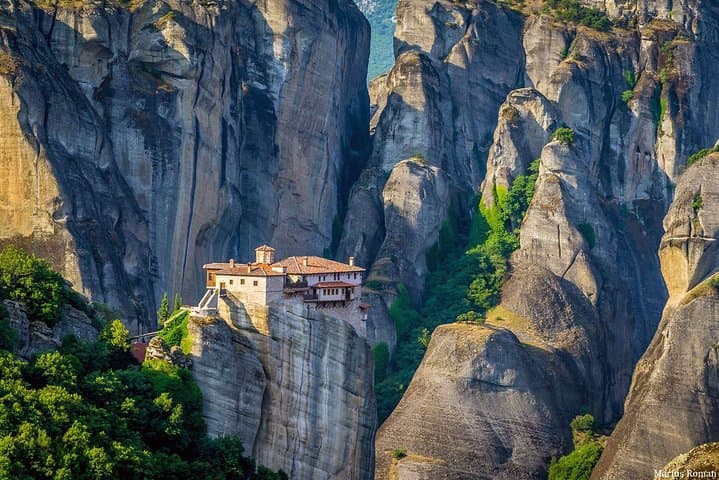
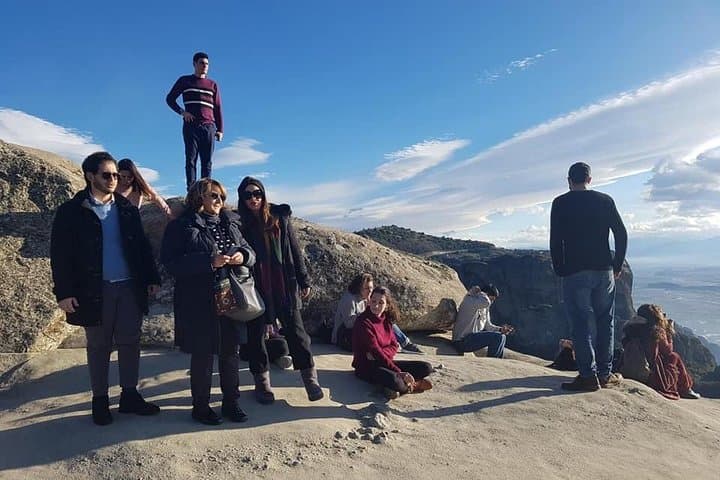
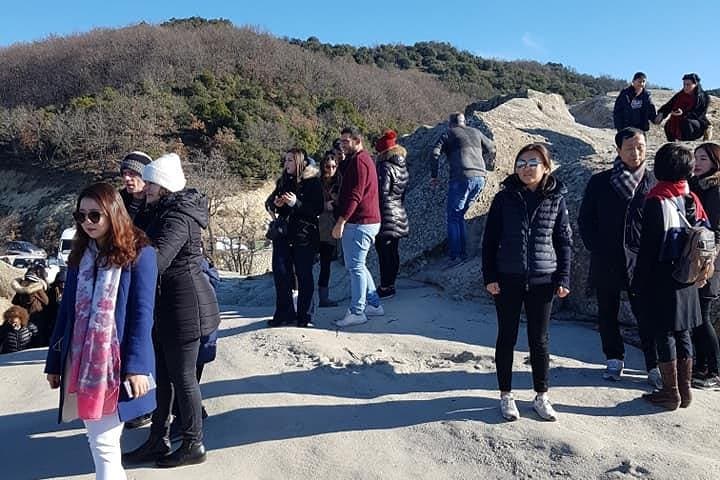
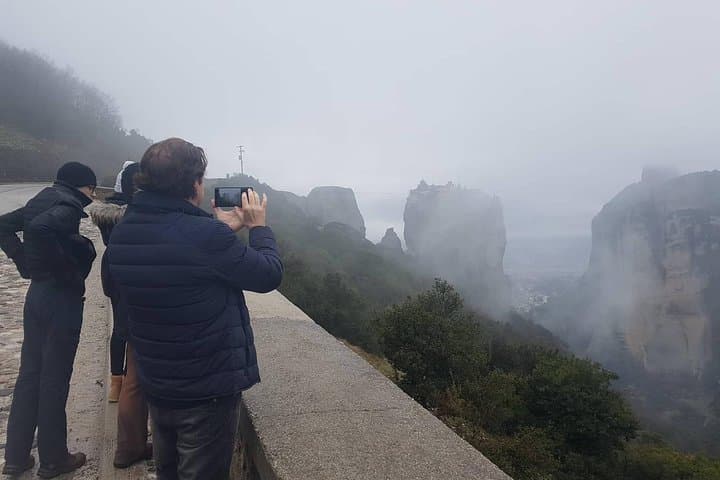
The van pulls away from Kalabaka and, within minutes, the landscape tightens: colossal pillars of sandstone and conglomerate rise like ruined towers, weathered faces daring you to look up. Meteora is less a mountain range than a crowd of stone chimneys—each topped by a small patch of human life: monasteries clinging to ledges, bells testing the wind.
The van pulls away from Kalabaka and, within minutes, the landscape tightens: colossal pillars of sandstone and conglomerate rise like ruined towers, weathered faces daring you to look up. Meteora is less a mountain range than a crowd of stone chimneys—each topped by a small patch of human life: monasteries clinging to ledges, bells testing the wind.
Those monasteries began appearing in the 11th–14th centuries as monks sought solitude and safety. Over centuries they were hoisted into place by ropes and pulleys, their frescoed interiors preserving Byzantine devotion. Geologically, Meteora’s pillars are the product of river deposits compacted and uplifted, then sculpted by erosion into the dramatic columns you see today.
Culture here is restrained: communities of monks and nuns still maintain some of the sites, and visitors move through a lived religious landscape rather than a museum. Local Kastraki tavernas dish up Thessalian fare after a morning of cliffside views.
Practical guidance: this shared, air-conditioned tour runs about four hours and covers interior visits to three monasteries with exterior views of the rest. Expect short, steep stairways and uneven stone paths at monastery entrances; modest dress is required (shoulders and knees covered). The small-group format keeps transitions quick, and bottled water and hotel pickup/drop-off from Kalabaka or Kastraki are included. For best light and fewer crowds aim for morning or late afternoon; bring sturdy shoes, sun protection, and a camera with a spare battery—the views reward the effort.