THE ADVENTURE COLLECTIVE® · Independent discovery and booking for outdoor travel

Traverse ancient monk paths between towering sandstone pillars on a private, full-day hike in Meteora. Expect monastery visits, panoramic views over the Pindos range, and stone trails that demand steady shoes and respectful clothing.
Traverse ancient monk paths between towering sandstone pillars on a private, full-day hike in Meteora. Expect monastery visits, panoramic views over the Pindos range, and stone trails that demand steady shoes and respectful clothing.
You step out of the van in Kastraki and the rocks announce themselves—great sandstone towers rising like weathered columns, each face scored by wind and rain. Footpaths thread between pillars; the air smells of thyme and warmed stone. The trail follows routes once used by monks, switching from shaded forest to sun-baked scrambles with views that open and close like a gallery.
Verified experiences and guided adventures in the surrounding area.
Operated by Trail Path · Kalambaka, Thessaly
You step out of the van in Kastraki and the rocks announce themselves—great sandstone towers rising like weathered columns, each face scored by wind and rain. Footpaths thread between pillars; the air smells of thyme and warmed stone. The trail follows routes once used by monks, switching from shaded forest to sun-baked scrambles with views that open and close like a gallery.
Meteora’s monasteries date to the 14th–16th centuries, when monks sought solitude on summit ledges. Geologically, the pillars are compacted sands and conglomerates formed by river deposits some 60 million years ago, later carved into the dramatic stacks you see today. Local villages—Kalambaka and Kastraki—hold rustic tavernas and stone houses that reflect Thessaly’s rural culture.
On the hike you’ll visit ruins and restored chapels: Pantocrator’s ruins, the small Ipapanti, and the major complexes at Varlaam and Great Meteoron, where icons and frescoes hint at Byzantine devotion. Birds of prey wheel above, daring you to look up as much as forward.
Practical guidance: the route is a mix of dirt switchbacks, short rock scrambles and some stone steps; expect 6 hours on your feet with several short, steep sections. Dress respectfully for monastery visits (long skirts or wraps for women; shoulders covered). Bring sun protection, sturdy shoes and a small daypack with water and snacks. Early morning or late afternoon light rewards photographers, and a private guide will handle logistics and point out quieter paths where monks once walked.
moderate.
6 hours.
Suitable for people who regularly walk or hike for 2–4 hours; expect several short steep sections and uneven terrain.
Yes—shoulders must be covered and women need long skirts or wraps; most monasteries lend skirts at the entrance but bringing your own saves time.
The tour is rated moderate—about 6 hours with some steep sections and uneven paths, suitable for reasonably active travelers.
Private transportation and hotel pickup are included; confirm your pickup point when booking and for transfers from Kalambaka, Kastraki or Trikala.
Yes—the route typically allows visits to one or two monasteries (Varlaam or Great Meteoron) plus ruins and smaller chapels due to entry times and walking pace.
Meteora became a major monastic center between the 14th and 16th centuries when Orthodox monks built monasteries atop rock pillars to seek isolation and safety.
Meteora is a protected area and UNESCO site—stick to marked trails, avoid removing plants or artifacts, and follow monastery rules to minimize impact.
Trail Path operates guided outdoor trips and adventures with an emphasis on safety, stewardship, and memorable experiences.
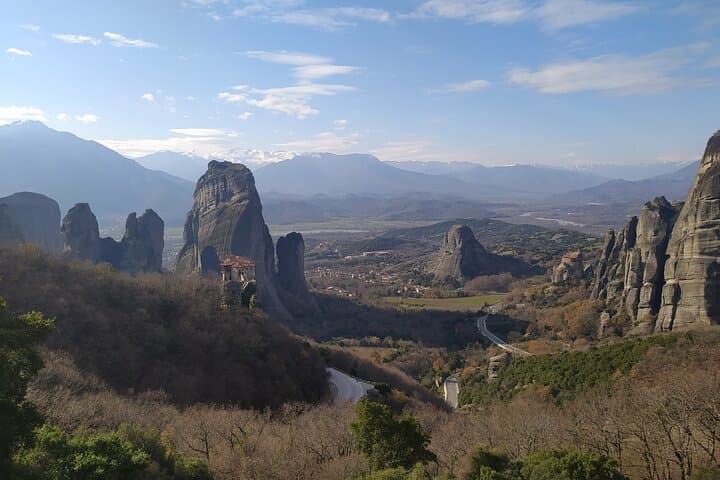
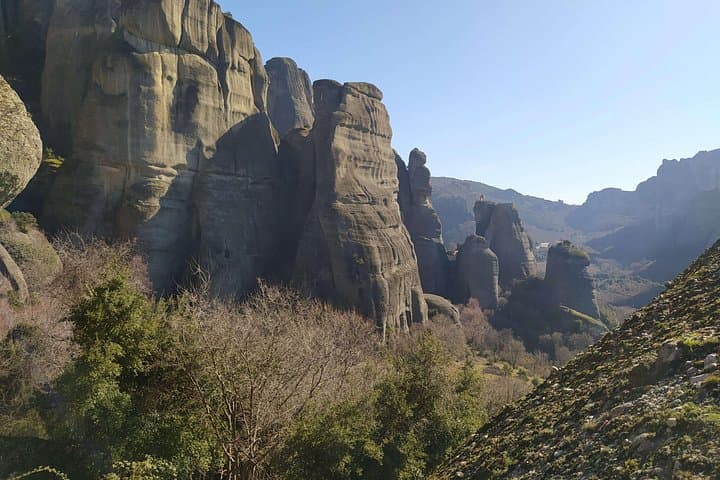
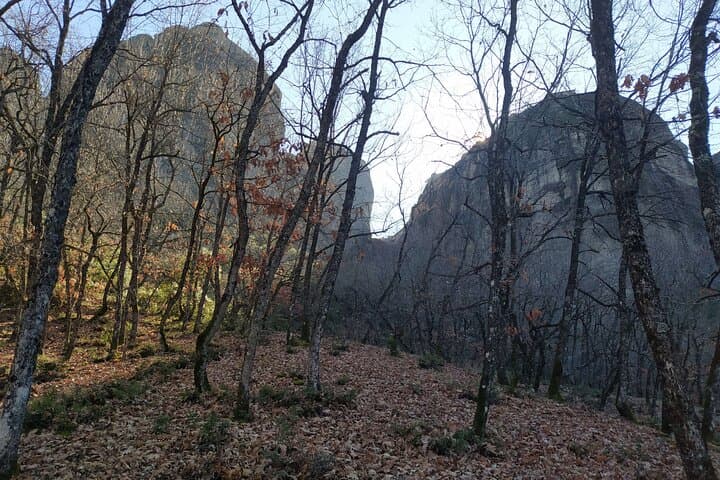
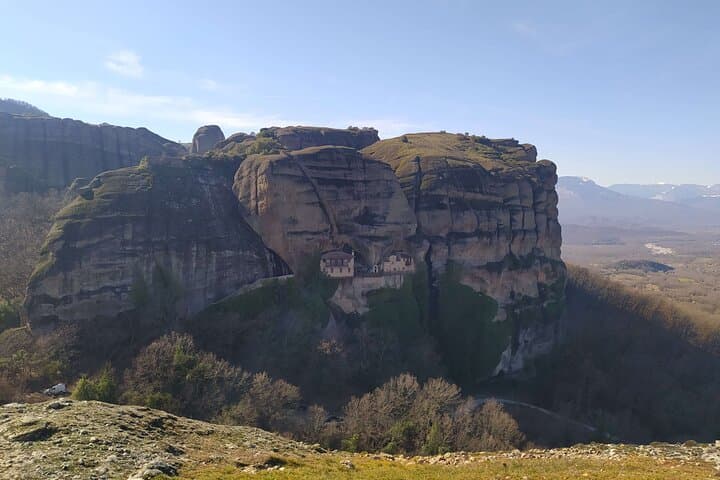
You step out of the van in Kastraki and the rocks announce themselves—great sandstone towers rising like weathered columns, each face scored by wind and rain. Footpaths thread between pillars; the air smells of thyme and warmed stone. The trail follows routes once used by monks, switching from shaded forest to sun-baked scrambles with views that open and close like a gallery.
You step out of the van in Kastraki and the rocks announce themselves—great sandstone towers rising like weathered columns, each face scored by wind and rain. Footpaths thread between pillars; the air smells of thyme and warmed stone. The trail follows routes once used by monks, switching from shaded forest to sun-baked scrambles with views that open and close like a gallery.
Meteora’s monasteries date to the 14th–16th centuries, when monks sought solitude on summit ledges. Geologically, the pillars are compacted sands and conglomerates formed by river deposits some 60 million years ago, later carved into the dramatic stacks you see today. Local villages—Kalambaka and Kastraki—hold rustic tavernas and stone houses that reflect Thessaly’s rural culture.
On the hike you’ll visit ruins and restored chapels: Pantocrator’s ruins, the small Ipapanti, and the major complexes at Varlaam and Great Meteoron, where icons and frescoes hint at Byzantine devotion. Birds of prey wheel above, daring you to look up as much as forward.
Practical guidance: the route is a mix of dirt switchbacks, short rock scrambles and some stone steps; expect 6 hours on your feet with several short, steep sections. Dress respectfully for monastery visits (long skirts or wraps for women; shoulders covered). Bring sun protection, sturdy shoes and a small daypack with water and snacks. Early morning or late afternoon light rewards photographers, and a private guide will handle logistics and point out quieter paths where monks once walked.