THE ADVENTURE COLLECTIVE® · Independent discovery and booking for outdoor travel

Walk among giant sandstone pillars and visit the Great Meteoron Monastery without the crowds. This guided small‑group hike opens off‑beat trails, local lore, and dramatic viewpoints above the Thessalian plain.
Walk among giant sandstone pillars and visit the Great Meteoron Monastery without the crowds. This guided small‑group hike opens off‑beat trails, local lore, and dramatic viewpoints above the Thessalian plain.
You step off the minivan as wind threads through sandstone towers and the stone monasteries loom like old watchmen on the pinnacles. The trail begins soft underfoot — olive scrub and limestone scree — and bends around hidden ledges that reveal sudden panoramas of the Thessalian plain.
Verified experiences and guided adventures in the surrounding area.
Operated by Visit Meteora · Kalambaka, Thessaly
You step off the minivan as wind threads through sandstone towers and the stone monasteries loom like old watchmen on the pinnacles. The trail begins soft underfoot — olive scrub and limestone scree — and bends around hidden ledges that reveal sudden panoramas of the Thessalian plain.
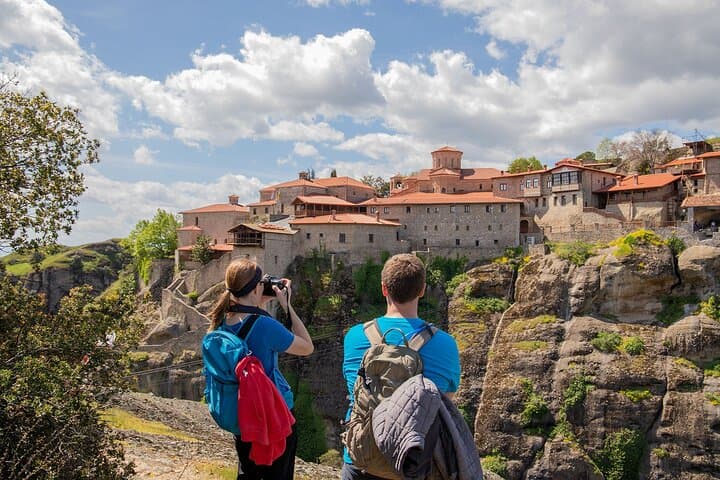
This four‑hour, small‑group hike follows routes used by early hermit monks who settled Meteora from the 11th century onward. The rock pillars are a geological oddity: vertical columns formed from ancient riverine deposits and carved by millennia of wind and rain. Human history is layered on top — monasteries built by pulley and rope, 14th‑century frescoes, and local customs that still shape visitor etiquette at holy sites.
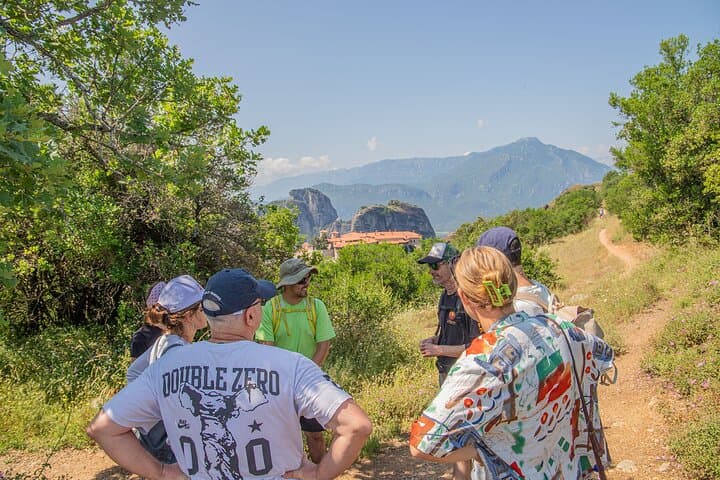
Locals will tell you Meteora is as much about silence as scenery; certain paths were deliberately kept narrow to protect monastic solitude. Expect a blend of smooth dirt tracks and short rocky pitches, several modest ascents and viewpoints that reward the effort. Guides point out Ypapanti, the Great Meteoron, and quieter hollows fewer day‑trippers see.
Practical notes: wear sturdy hiking shoes, bring sun protection and at least 1 L of water, and be prepared to cover knees and shoulders in monastery chapels — skirts or trousers are provided if needed. The route is family‑friendly for fit walkers but includes uneven steps and short climbs, so steady footing is essential. Arrive early for morning light and thinner crowds; the afternoon can bring stronger winds and warmer sun.
moderate.
4 hours.
Suitable for walkers in moderate condition comfortable with uneven terrain and short uphill sections.
The tour is gentle‑paced but classified moderate due to uneven surfaces and short climbs; participants should be comfortable walking 3–5 km on rocky trails.
Entrance fees are typically not included; the itinerary includes visits but check with the operator for current admission costs and opening times.
Yes — hotel pickup and drop‑off in Kalambaka or Kastraki are included by air‑conditioned minivan.
Men must wear trousers and long sleeves; women must wear a long skirt. The guide or operator will provide coverings if necessary.
Meteora’s monasteries grew in the 14th century as monastic communities sought solitude atop steep pillars; Great Meteoron was founded by Saint Athanasios and became a center of organized monastic life.
Stick to marked trails and follow monastery rules to reduce erosion and disturbance; local groups monitor visitor impact and encourage low‑waste practices.
Visit Meteora operates guided outdoor trips and adventures with an emphasis on safety, stewardship, and memorable experiences.
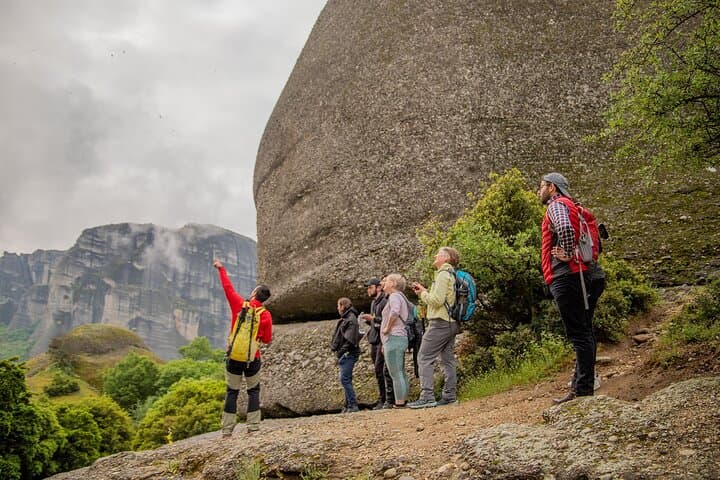
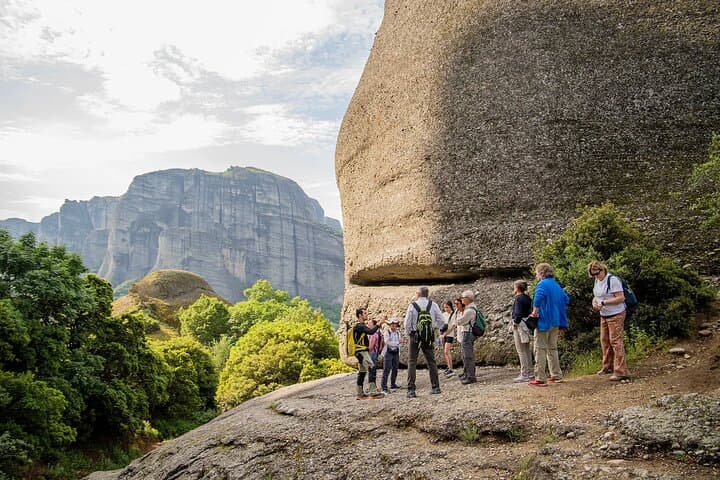
You step off the minivan as wind threads through sandstone towers and the stone monasteries loom like old watchmen on the pinnacles. The trail begins soft underfoot — olive scrub and limestone scree — and bends around hidden ledges that reveal sudden panoramas of the Thessalian plain.
You step off the minivan as wind threads through sandstone towers and the stone monasteries loom like old watchmen on the pinnacles. The trail begins soft underfoot — olive scrub and limestone scree — and bends around hidden ledges that reveal sudden panoramas of the Thessalian plain.
This four‑hour, small‑group hike follows routes used by early hermit monks who settled Meteora from the 11th century onward. The rock pillars are a geological oddity: vertical columns formed from ancient riverine deposits and carved by millennia of wind and rain. Human history is layered on top — monasteries built by pulley and rope, 14th‑century frescoes, and local customs that still shape visitor etiquette at holy sites.
Locals will tell you Meteora is as much about silence as scenery; certain paths were deliberately kept narrow to protect monastic solitude. Expect a blend of smooth dirt tracks and short rocky pitches, several modest ascents and viewpoints that reward the effort. Guides point out Ypapanti, the Great Meteoron, and quieter hollows fewer day‑trippers see.
Practical notes: wear sturdy hiking shoes, bring sun protection and at least 1 L of water, and be prepared to cover knees and shoulders in monastery chapels — skirts or trousers are provided if needed. The route is family‑friendly for fit walkers but includes uneven steps and short climbs, so steady footing is essential. Arrive early for morning light and thinner crowds; the afternoon can bring stronger winds and warmer sun.