THE ADVENTURE COLLECTIVE® · Independent discovery and booking for outdoor travel

Scale stairs cut into ancient sandstone, visit two active cliff-top monasteries, and pause for lunch in Kalampaka on this full-day tour from Thessaloniki. Expect dramatic viewpoints, strict dress rules for sacred sites, and a stop at the Edessa waterfalls on the return.
Scale stairs cut into ancient sandstone, visit two active cliff-top monasteries, and pause for lunch in Kalampaka on this full-day tour from Thessaloniki. Expect dramatic viewpoints, strict dress rules for sacred sites, and a stop at the Edessa waterfalls on the return.
You arrive before the sun clears the jagged silhouettes of the Meteora rocks and the first monasteries sit like old keepers on sheer sandstone towers. The air tastes faintly of pine and stone; footsteps echo on worn paths as your guide leads you up steps hewn into the cliff face.
Verified experiences and guided adventures in the surrounding area.
Operated by MTM Experiences · Kalampaka, Thessaly
You arrive before the sun clears the jagged silhouettes of the Meteora rocks and the first monasteries sit like old keepers on sheer sandstone towers. The air tastes faintly of pine and stone; footsteps echo on worn paths as your guide leads you up steps hewn into the cliff face.
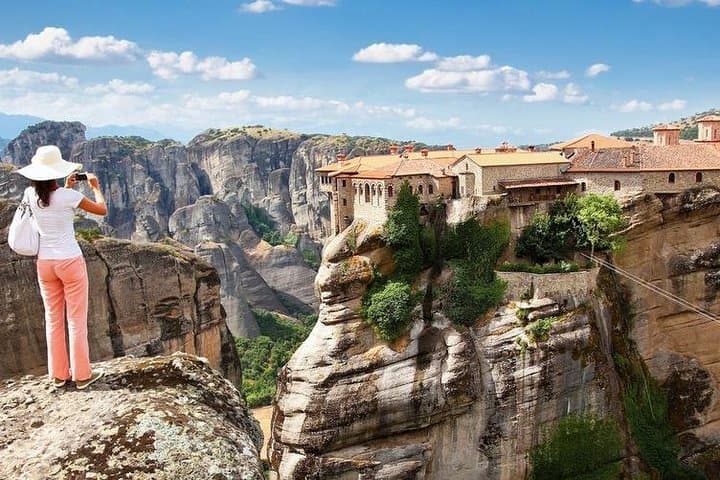
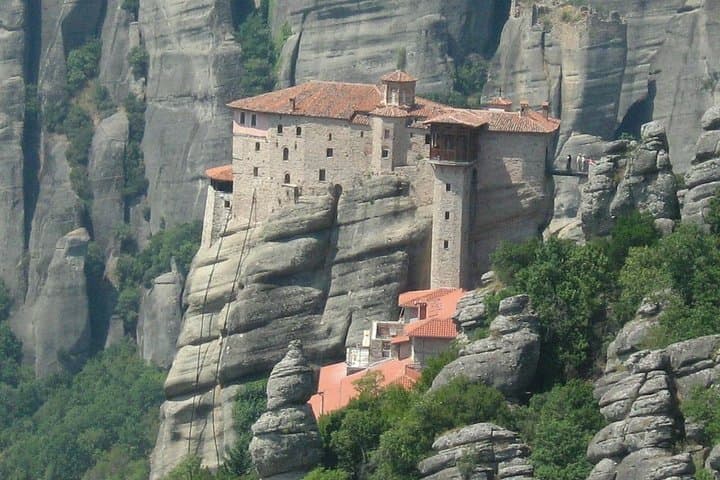
Meteora’s cliffs are a product of millennia: river-born sandstone uplifted and eroded into freestanding pillars. By the 14th century orthodox hermits sought these heights for solitude, carving monastic communities into caverns and building monasteries on ledges that seem to defy gravity. Today a handful of well-preserved foundations still operate as living religious sites, their frescoes and woodwork reflecting Byzantine craft.
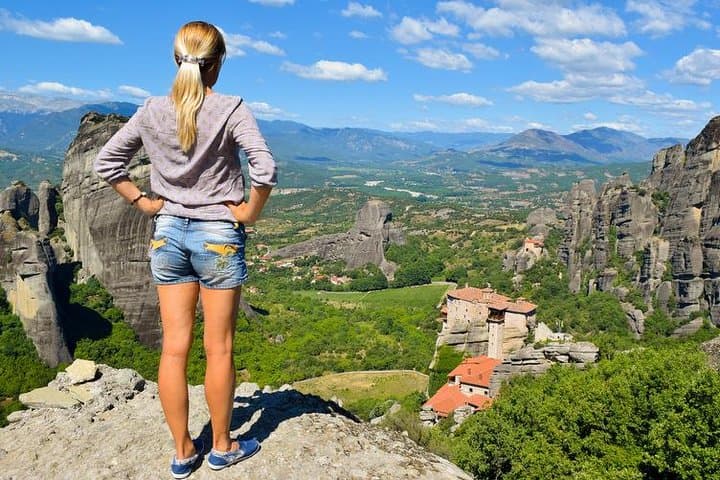
Your day typically includes visits to two of the main monasteries, time in Kalampaka for a lunch break, and a stop at the notable Edessa waterfalls on the return route. Trails are short but include steep stone stairs and uneven surfaces; views reward modest exertion with sweeping panoramas over Thessaly.
Practicalities: the full-day excursion runs about 11 hours with hotel pickup from Thessaloniki; dress respectfully for monastery entry (no shorts for men; women need sleeves and longer skirts), bring breathable layers, sun protection and at least 1–1.5 liters of water. Comfortable shoes with grip are essential—expect stair climbs and some slippery patches in wet weather.
Timing your visit for morning or late afternoon light reduces crowds and gives the stone a warm glow. Move deliberately, respect restricted areas, and leave time in Kalampaka to explore local cafés and the rock-base viewpoints before the long drive home.
easy.
11 hours.
Suitable for general fitness—participants should be able to climb multiple flights of stairs and walk short uneven sections.
No—entrance fees to the monasteries are usually paid on-site; have small euro notes available.
Yes—pick-up details are confirmed by email; the full-day tour departs from Thessaloniki with return the same day.
Many sites include uneven steps and narrow passages; the tour is not suitable for most wheelchairs and strollers due to stairs.
Lunch is not included; you’ll have time to eat in Kalampaka where tavernas and cafés serve local dishes.
Monks began occupying Meteora’s pillars in the 14th century to escape mainland strife; several monasteries remain active and the site is a UNESCO World Heritage property.
The fragile sandstone and endemic flora respond poorly to erosion and off-trail walking—stick to marked paths, avoid littering and respect restricted areas to protect the site.
MTM Experiences operates guided outdoor trips and adventures with an emphasis on safety, stewardship, and memorable experiences.
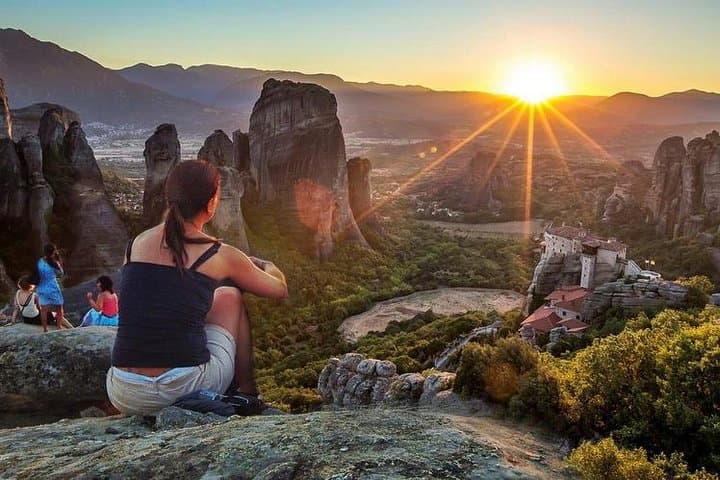
You arrive before the sun clears the jagged silhouettes of the Meteora rocks and the first monasteries sit like old keepers on sheer sandstone towers. The air tastes faintly of pine and stone; footsteps echo on worn paths as your guide leads you up steps hewn into the cliff face.
You arrive before the sun clears the jagged silhouettes of the Meteora rocks and the first monasteries sit like old keepers on sheer sandstone towers. The air tastes faintly of pine and stone; footsteps echo on worn paths as your guide leads you up steps hewn into the cliff face.
Meteora’s cliffs are a product of millennia: river-born sandstone uplifted and eroded into freestanding pillars. By the 14th century orthodox hermits sought these heights for solitude, carving monastic communities into caverns and building monasteries on ledges that seem to defy gravity. Today a handful of well-preserved foundations still operate as living religious sites, their frescoes and woodwork reflecting Byzantine craft.
Your day typically includes visits to two of the main monasteries, time in Kalampaka for a lunch break, and a stop at the notable Edessa waterfalls on the return route. Trails are short but include steep stone stairs and uneven surfaces; views reward modest exertion with sweeping panoramas over Thessaly.
Practicalities: the full-day excursion runs about 11 hours with hotel pickup from Thessaloniki; dress respectfully for monastery entry (no shorts for men; women need sleeves and longer skirts), bring breathable layers, sun protection and at least 1–1.5 liters of water. Comfortable shoes with grip are essential—expect stair climbs and some slippery patches in wet weather.
Timing your visit for morning or late afternoon light reduces crowds and gives the stone a warm glow. Move deliberately, respect restricted areas, and leave time in Kalampaka to explore local cafés and the rock-base viewpoints before the long drive home.