THE ADVENTURE COLLECTIVE® · Independent discovery and booking for outdoor travel

Spend a full day among Meteora’s dramatic sandstone pillars and cliffside monasteries, learning the geology and monastic history that earned the site UNESCO status. This private tour mixes short climbs, panoramic viewpoints and cultural stops around Kalambaka.
Spend a full day among Meteora’s dramatic sandstone pillars and cliffside monasteries, learning the geology and monastic history that earned the site UNESCO status. This private tour mixes short climbs, panoramic viewpoints and cultural stops around Kalambaka.
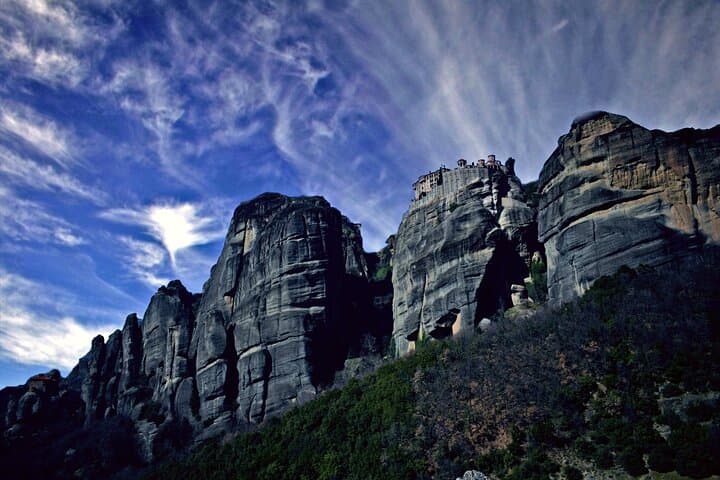
You step out of the air-conditioned van into a wind that seems to test the stones themselves—Meteora’s towers of sandstone rise like islands of rock against a wide Thessalian sky.
Verified experiences and guided adventures in the surrounding area.
Operated by Greece Private Transfer (TRAVELIFE Certified in Sustainability company) · Kalambaka, Thessaly
You step out of the air-conditioned van into a wind that seems to test the stones themselves—Meteora’s towers of sandstone rise like islands of rock against a wide Thessalian sky.
The day moves slowly here: carved stairways, narrow frescoed chapels and terraces that look down on Kalambaka’s red roofs. Geologically, these pillars are the work of millions of years of river sedimentation and tectonic uplift; weather and erosion sculpted the towers that monks later climbed with ropes and ladders. Culturally the site is a center of Orthodox monastic life since the 14th century and a UNESCO World Heritage site for its unique combination of nature and human craft.
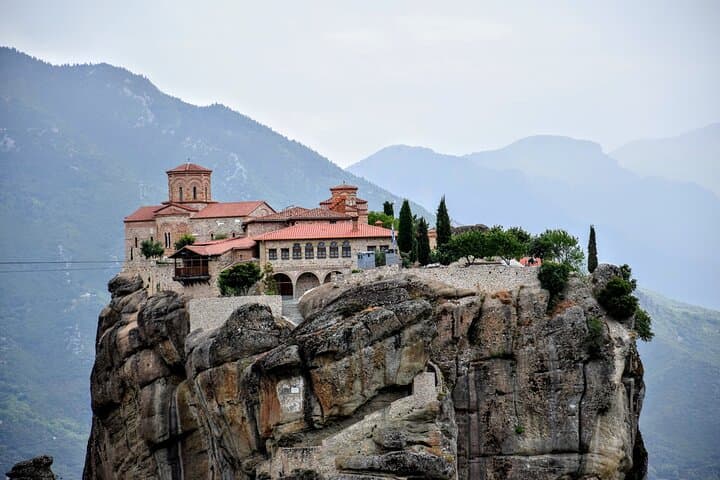
Monasteries such as Great Meteoron and Varlaam show Byzantine frescoes and timber balconies threaded into the rock. Between stops your guide will explain the engineering behind the wooden cranes once used to pull men and supplies up the cliffs, and why some monasteries sit on the highest, most inaccessible summits.
Practically, expect a full 12-hour day with several stair climbs, paved viewpoints and short walks on uneven paths. Comfortable shoes and a water bottle matter more than specialist gear. Midday brings the strongest light; mornings and late afternoons make for better photos and quieter monasteries. Respect dress codes inside religious buildings and follow posted routes—traces of centuries-old foot traffic are fragile.
This tour balances history, geology and a tactile sense of place: you’ll leave with both photos and a clearer idea of how people once lived—and still live—on these extraordinary stones.
moderate.
12 hours.
Requires moderate fitness: multiple stair climbs and short uneven walks; comfortable on feet for most of the day.
The tour runs about 12 hours with several short to moderate walks and stair climbs to access monasteries and viewpoints.
Admissions vary by monastery and sometimes have separate fees; confirm with the operator what is included when booking.
Children can join but the climbs may be challenging; people with limited mobility should note stairs and carved steps at several sites and check accessibility in advance.
Modest clothing is required—cover shoulders and knees; men and women may be asked to wear a wrap or skirt provided on site.
Meteora’s monasteries date to the 14th century when ascetic monks sought isolation; the complex later became a key center of Orthodox monasticism and was inscribed by UNESCO for its cultural and natural value.
Visitor pressure and erosion are managed through regulated access and conservation programs—stay on marked paths, avoid touching frescoes and follow monastery rules to minimize impact.
Greece Private Transfer (TRAVELIFE Certified in Sustainability company) operates guided outdoor trips and adventures with an emphasis on safety, stewardship, and memorable experiences.


You step out of the air-conditioned van into a wind that seems to test the stones themselves—Meteora’s towers of sandstone rise like islands of rock against a wide Thessalian sky.
You step out of the air-conditioned van into a wind that seems to test the stones themselves—Meteora’s towers of sandstone rise like islands of rock against a wide Thessalian sky.
The day moves slowly here: carved stairways, narrow frescoed chapels and terraces that look down on Kalambaka’s red roofs. Geologically, these pillars are the work of millions of years of river sedimentation and tectonic uplift; weather and erosion sculpted the towers that monks later climbed with ropes and ladders. Culturally the site is a center of Orthodox monastic life since the 14th century and a UNESCO World Heritage site for its unique combination of nature and human craft.
Monasteries such as Great Meteoron and Varlaam show Byzantine frescoes and timber balconies threaded into the rock. Between stops your guide will explain the engineering behind the wooden cranes once used to pull men and supplies up the cliffs, and why some monasteries sit on the highest, most inaccessible summits.
Practically, expect a full 12-hour day with several stair climbs, paved viewpoints and short walks on uneven paths. Comfortable shoes and a water bottle matter more than specialist gear. Midday brings the strongest light; mornings and late afternoons make for better photos and quieter monasteries. Respect dress codes inside religious buildings and follow posted routes—traces of centuries-old foot traffic are fragile.
This tour balances history, geology and a tactile sense of place: you’ll leave with both photos and a clearer idea of how people once lived—and still live—on these extraordinary stones.