THE ADVENTURE COLLECTIVE® · Independent discovery and booking for outdoor travel

Leave Athens before sunrise and spend a full day exploring Meteora’s towering sandstone pillars, historic Orthodox monasteries and the battlefield of Thermopylae. This private tour combines geological spectacle, living history and practical logistics for a long, memorable day.
Leave Athens before sunrise and spend a full day exploring Meteora’s towering sandstone pillars, historic Orthodox monasteries and the battlefield of Thermopylae. This private tour combines geological spectacle, living history and practical logistics for a long, memorable day.
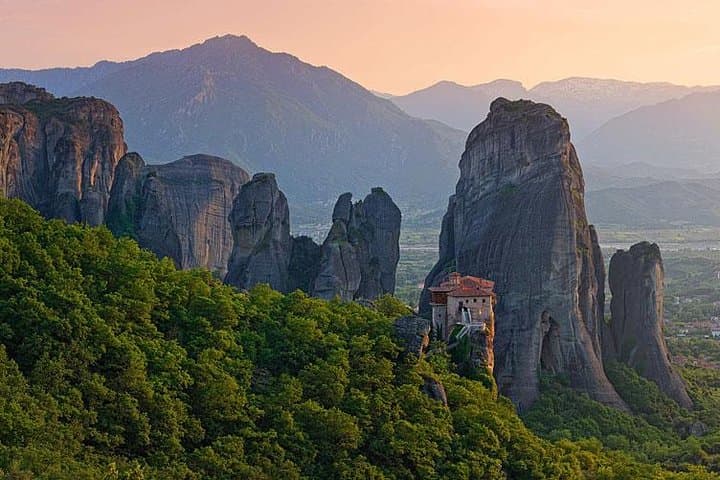
The day begins before dawn as the van leaves Athens and the lowlands of Attica unfurl into the broad Thessalian plain. Long ribbons of highway give way to limestone ridges and then to Meteora’s vertical pillars—sandstone towers that seem to dare visitors to read their weathered faces up close.
Verified experiences and guided adventures in the surrounding area.
Operated by TSquared_Travel · Kalampaka, Thessaly
The day begins before dawn as the van leaves Athens and the lowlands of Attica unfurl into the broad Thessalian plain. Long ribbons of highway give way to limestone ridges and then to Meteora’s vertical pillars—sandstone towers that seem to dare visitors to read their weathered faces up close.
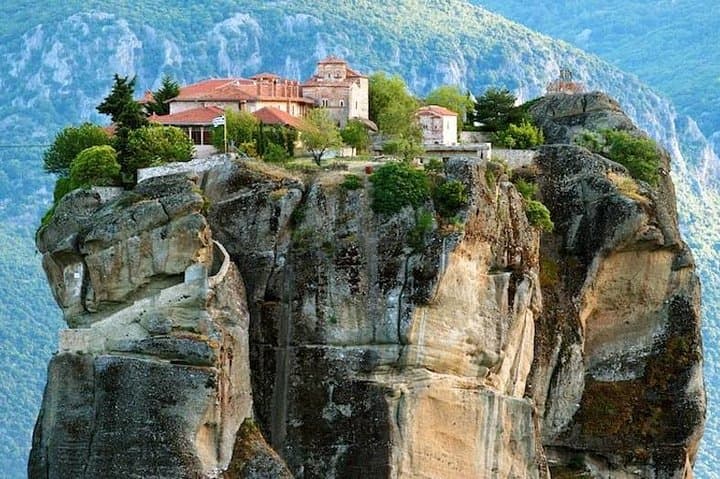
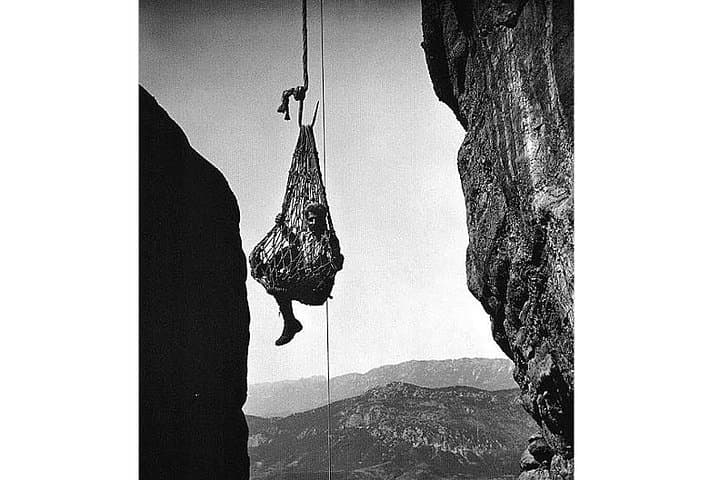
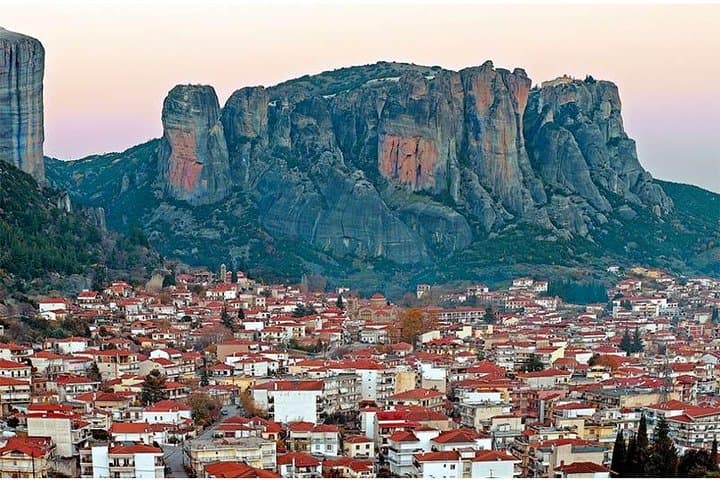
Meteora’s cliffs were born from a seabed uplifted some 60 million years ago, then sculpted by wind, rain and river action into freestanding pillars. By the 14th century, hermit monks began cutting paths up the pinnacles and founded monasteries that married austere Eastern Orthodox spirituality with ingenious engineering—baskets, rope ladders and later stairways carved into stone. UNESCO recognized Meteora for its cultural and geological value in 1988, and the nearby town of Kalampaka still carries the slow rhythm of monastic life.
The tour pairs monastery visits with lunch in Kalampaka and a stop at Thermopylae—where the narrow pass and the bronze statue of Leonidas recall the famous stand of 480 BC. Expect stone staircases, small museum rooms, and viewpoints where the valley opens in long, clear lines.
Practical notes: dress modestly for monastery entry (shoulders and knees covered), bring cash for small admissions and refreshments, and wear sturdy shoes for uneven steps. The itinerary is long—plan for a 12-hour day with hotel pickup in Athens and a late return. Pack sunscreen, water and a lightweight layer; mountain winds can cool even in summer.
moderate.
12 hours.
Suitable for travelers who can walk stairs and stand for short periods; basic fitness for repeated stair climbs is recommended
Most monastery admissions are not included in the standard tour price; plan to pay a small fee at each active monastery you visit.
Expect short but sometimes steep walks—most visits involve climbing 100–200 stone steps to reach monastery terraces and viewing platforms.
Yes—this private tour typically includes hotel pickup and drop-off in Athens; confirm pickup details at booking.
Lunch in Kalampaka is usually not included; the itinerary allows time for a sit-down meal or a quicker café lunch depending on preference.
Meteora’s monastic network expanded in the 14th–16th centuries as Orthodox monks sought refuge on the pillars; accessibility evolved from rope baskets to carved stairways.
Meteora is a UNESCO site and part of Natura 2000; visitors should stick to marked trails and avoid touching fragile rock faces or historic frescoes to reduce impact.
TSquared_Travel operates guided outdoor trips and adventures with an emphasis on safety, stewardship, and memorable experiences.
The day begins before dawn as the van leaves Athens and the lowlands of Attica unfurl into the broad Thessalian plain. Long ribbons of highway give way to limestone ridges and then to Meteora’s vertical pillars—sandstone towers that seem to dare visitors to read their weathered faces up close.
The day begins before dawn as the van leaves Athens and the lowlands of Attica unfurl into the broad Thessalian plain. Long ribbons of highway give way to limestone ridges and then to Meteora’s vertical pillars—sandstone towers that seem to dare visitors to read their weathered faces up close.
Meteora’s cliffs were born from a seabed uplifted some 60 million years ago, then sculpted by wind, rain and river action into freestanding pillars. By the 14th century, hermit monks began cutting paths up the pinnacles and founded monasteries that married austere Eastern Orthodox spirituality with ingenious engineering—baskets, rope ladders and later stairways carved into stone. UNESCO recognized Meteora for its cultural and geological value in 1988, and the nearby town of Kalampaka still carries the slow rhythm of monastic life.
The tour pairs monastery visits with lunch in Kalampaka and a stop at Thermopylae—where the narrow pass and the bronze statue of Leonidas recall the famous stand of 480 BC. Expect stone staircases, small museum rooms, and viewpoints where the valley opens in long, clear lines.
Practical notes: dress modestly for monastery entry (shoulders and knees covered), bring cash for small admissions and refreshments, and wear sturdy shoes for uneven steps. The itinerary is long—plan for a 12-hour day with hotel pickup in Athens and a late return. Pack sunscreen, water and a lightweight layer; mountain winds can cool even in summer.