THE ADVENTURE COLLECTIVE® · Independent discovery and booking for outdoor travel

A full-day from Athens to Meteora combines easy to moderate guided hikes, dramatic sandstone pillars, and visits to cliff-top monasteries. Travel time is long but the route rewards with sweeping views, regional markets in Kalambaka, and expert local interpretation.
A full-day from Athens to Meteora combines easy to moderate guided hikes, dramatic sandstone pillars, and visits to cliff-top monasteries. Travel time is long but the route rewards with sweeping views, regional markets in Kalambaka, and expert local interpretation.
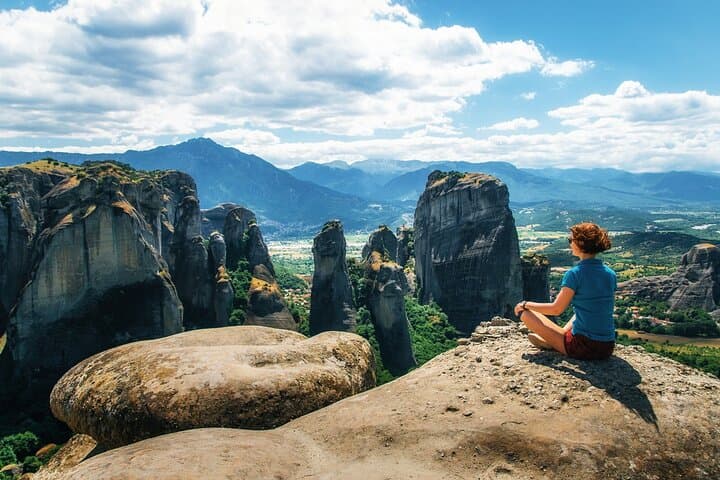
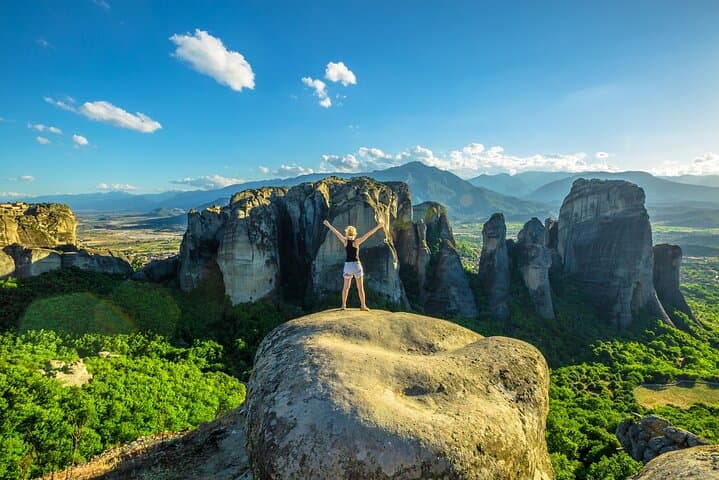
The day begins on a two-hour drive across Thessaly’s open plains; by the time the road bends toward Kalambaka the sky tightens around upright sandstone towers that seem to rise out of the earth. Walking here means threading narrow trails at the base of giant pinnacles, where wind has carved ledges and sunlight finds pockets of scrub and pine.
Verified experiences and guided adventures in the surrounding area.
Operated by EXPLOROLOCO · Kalambaka, Thessaly
The day begins on a two-hour drive across Thessaly’s open plains; by the time the road bends toward Kalambaka the sky tightens around upright sandstone towers that seem to rise out of the earth. Walking here means threading narrow trails at the base of giant pinnacles, where wind has carved ledges and sunlight finds pockets of scrub and pine.
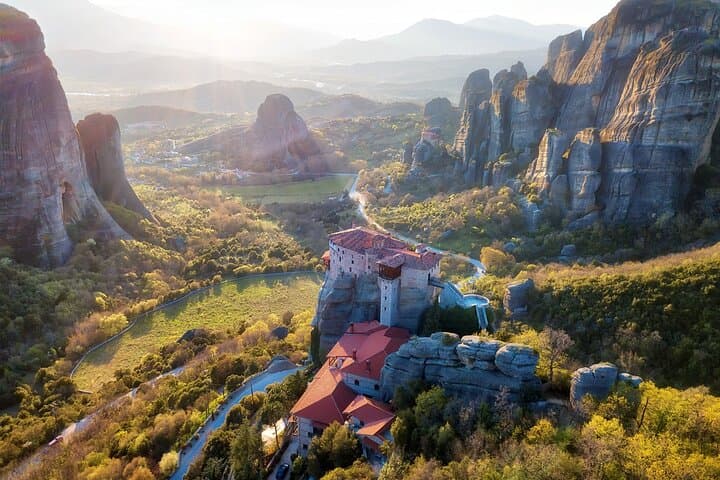
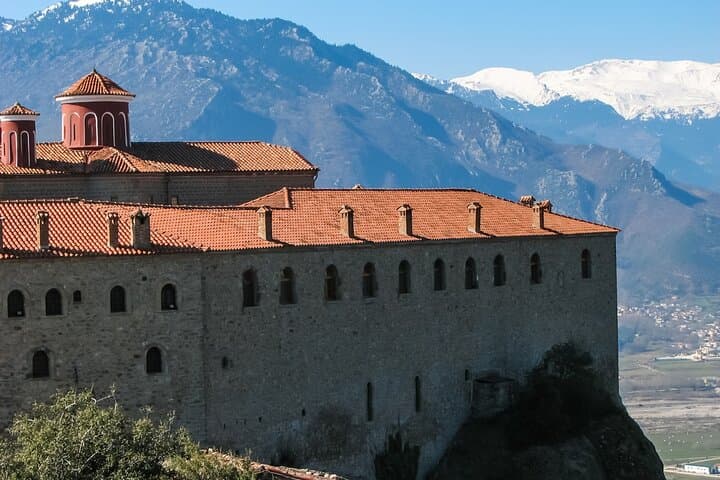
Meteora’s cliffs are geological archives: Miocene-era river deposits compressed and uplifted, then scoured into the dramatic pillars you climb among today. Byzantine monks arrived in the 11th–14th centuries, carving hermitages and building monasteries on tops that offered refuge and a clear view of the valley below. The tour moves between viewpoints and two or three active monasteries, mixing easy to moderate trails with stone steps and short paved sections.
Along the way a local guide will explain monastic life, regional cuisine in Kalambaka, and the practical rules for visiting cloistered sites: modest dress, quiet reverence, and modest camera etiquette inside chapels. Expect sweeping photo stops, a sampling of regional products at a market, and guided walks that emphasize geology and human history as much as scenery.
Practical edge: bring sturdy shoes, sun protection, and a daypack with water—the hiking is not technical but the day is long. Timing matters; mornings and late afternoons offer softer light and fewer crowds at monastery terraces. The route suits travelers with a moderate fitness level who want culture and geology wrapped into a single, full-day adventure.
moderate.
12–14 hours.
Suitable for travelers with a moderate fitness level who can handle several hours of walking, stairs, and short uphill sections.
Expect about 3–3.5 hours each way depending on traffic; the full experience is roughly 12–14 hours including transfers and stops.
Most organized tours include admission to at least one monastery; check your booking details for specifics and note modest dress codes apply.
Hikes are generally easy to moderate—short uphill sections and many stone steps—but the day’s length requires basic endurance.
Children can participate if they can handle long days and stair climbs; confirm age restrictions and suitability with the operator.
Meteora’s monasteries were established between the 11th and 16th centuries as hermitages and later monastic communities—its name means "suspended in the air."
The area is a protected UNESCO site; stay on marked trails, avoid disturbing flora and fauna, and follow monastery guidelines to minimize impact.
EXPLOROLOCO operates guided outdoor trips and adventures with an emphasis on safety, stewardship, and memorable experiences.
The day begins on a two-hour drive across Thessaly’s open plains; by the time the road bends toward Kalambaka the sky tightens around upright sandstone towers that seem to rise out of the earth. Walking here means threading narrow trails at the base of giant pinnacles, where wind has carved ledges and sunlight finds pockets of scrub and pine.
The day begins on a two-hour drive across Thessaly’s open plains; by the time the road bends toward Kalambaka the sky tightens around upright sandstone towers that seem to rise out of the earth. Walking here means threading narrow trails at the base of giant pinnacles, where wind has carved ledges and sunlight finds pockets of scrub and pine.
Meteora’s cliffs are geological archives: Miocene-era river deposits compressed and uplifted, then scoured into the dramatic pillars you climb among today. Byzantine monks arrived in the 11th–14th centuries, carving hermitages and building monasteries on tops that offered refuge and a clear view of the valley below. The tour moves between viewpoints and two or three active monasteries, mixing easy to moderate trails with stone steps and short paved sections.
Along the way a local guide will explain monastic life, regional cuisine in Kalambaka, and the practical rules for visiting cloistered sites: modest dress, quiet reverence, and modest camera etiquette inside chapels. Expect sweeping photo stops, a sampling of regional products at a market, and guided walks that emphasize geology and human history as much as scenery.
Practical edge: bring sturdy shoes, sun protection, and a daypack with water—the hiking is not technical but the day is long. Timing matters; mornings and late afternoons offer softer light and fewer crowds at monastery terraces. The route suits travelers with a moderate fitness level who want culture and geology wrapped into a single, full-day adventure.