THE ADVENTURE COLLECTIVE® · Independent discovery and booking for outdoor travel

Drive from Ohrid across the border to stand beneath Meteora’s sky-piercing cliffs and centuries-old monasteries. This full-day tour blends dramatic geology, Christian pilgrimage sites and panoramic views with practical logistics like pickup in Ohrid and one monastery visit included.
Drive from Ohrid across the border to stand beneath Meteora’s sky-piercing cliffs and centuries-old monasteries. This full-day tour blends dramatic geology, Christian pilgrimage sites and panoramic views with practical logistics like pickup in Ohrid and one monastery visit included.
You cross the border from North Macedonia before dawn and the road unfurls toward a range of sandstone pillars that rise like weathered towers from the Thessalian plain. Mist clings to narrow ledges; a single monastery perches on a cliff lip and the guide’s voice falls away as you step out and the scale of Meteora takes over.
Verified experiences and guided adventures in the surrounding area.
Operated by Experience Balkan · Kalabaka, Thessaly
You cross the border from North Macedonia before dawn and the road unfurls toward a range of sandstone pillars that rise like weathered towers from the Thessalian plain. Mist clings to narrow ledges; a single monastery perches on a cliff lip and the guide’s voice falls away as you step out and the scale of Meteora takes over.
Meteora’s cliffs are Miocene conglomerates—rounded boulders cemented by ancient rivers and later sculpted by wind, water and time into sheer columns. Monastic life here began in the 11th–14th centuries as hermit monks sought seclusion; the surviving monasteries date mainly to the 14th and 15th centuries and are living cultural sites rather than museum pieces.
Expect a mix of short, steep walks, stair climbs and paved lookouts with sweeping views over Kalabaka and Kastraki. The tour typically includes admission to a single monastery (respect dress codes), time for photos at multiple viewpoints, and a downhill break in town for lunch or coffee. Weather can change quickly on the rocks—sun, wind and sudden showers are all possible in one afternoon.
Practical guidance: carry your passport for the border crossing, wear sturdy walking shoes, and bring water and sun protection. Monastery rules prohibit shorts and sleeveless tops—bring a long-sleeve layer or a wrap. If you want to visit multiple monasteries independently, allow extra time; the tour’s itinerary is designed to see one interior and several exteriors in a long day.
This is a demanding but accessible day of cultural history, dramatic geology and quiet viewpoints—ideal for travelers who want a concentrated, high-reward experience from Ohrid.
moderate.
13–14 hours.
Suitable for travelers in general good health who can walk stairs and manage several short uphill sections over a long day.
Visa requirements depend on your nationality—confirm entry rules for Greece well before departure and bring your passport; visa processing is the traveler’s responsibility.
The standard tour includes interior admission to one monastery and exterior stops at several others for viewpoints and photos.
Many monasteries have stairs and narrow passages; access can be difficult for visitors with mobility issues—ask your operator about specific sites in advance.
The tour typically includes a break in Kalabaka or Kastraki for lunch or coffee but does not include meals; plan cash or card for a café stop.
Meteora became a major monastic center in the Byzantine era when hermits and later organized communities built monasteries on the columns to seek seclusion and protection from invasions.
The rock formations are part of a protected landscape—stick to paths, respect monastery rules, and avoid feeding wildlife to minimize impact.
Experience Balkan operates guided outdoor trips and adventures with an emphasis on safety, stewardship, and memorable experiences.
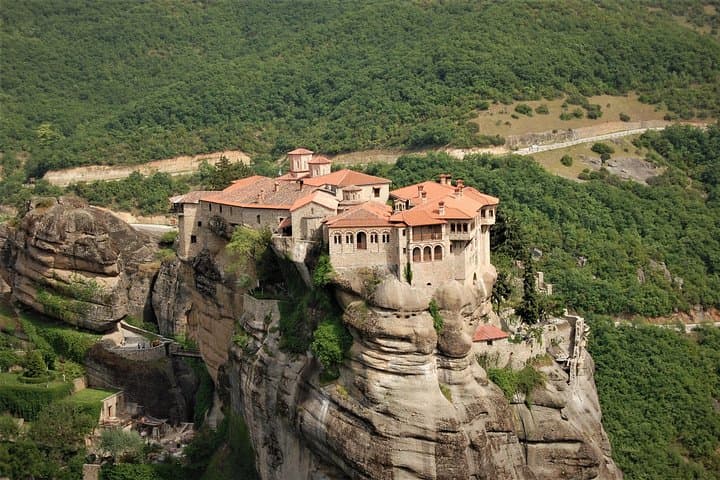
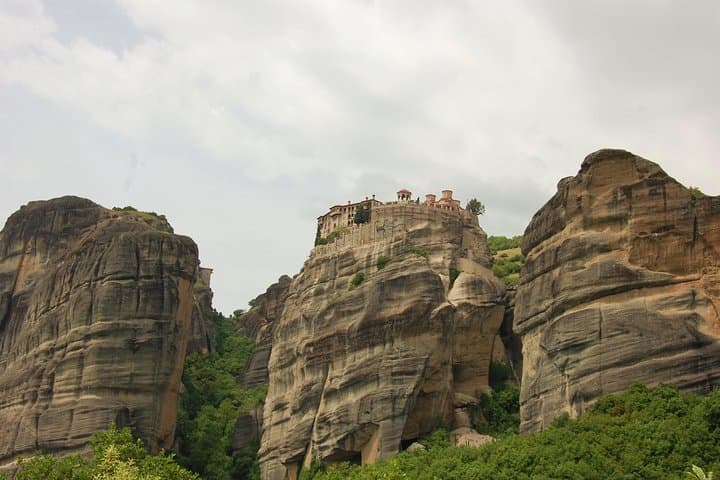


You cross the border from North Macedonia before dawn and the road unfurls toward a range of sandstone pillars that rise like weathered towers from the Thessalian plain. Mist clings to narrow ledges; a single monastery perches on a cliff lip and the guide’s voice falls away as you step out and the scale of Meteora takes over.
You cross the border from North Macedonia before dawn and the road unfurls toward a range of sandstone pillars that rise like weathered towers from the Thessalian plain. Mist clings to narrow ledges; a single monastery perches on a cliff lip and the guide’s voice falls away as you step out and the scale of Meteora takes over.
Meteora’s cliffs are Miocene conglomerates—rounded boulders cemented by ancient rivers and later sculpted by wind, water and time into sheer columns. Monastic life here began in the 11th–14th centuries as hermit monks sought seclusion; the surviving monasteries date mainly to the 14th and 15th centuries and are living cultural sites rather than museum pieces.
Expect a mix of short, steep walks, stair climbs and paved lookouts with sweeping views over Kalabaka and Kastraki. The tour typically includes admission to a single monastery (respect dress codes), time for photos at multiple viewpoints, and a downhill break in town for lunch or coffee. Weather can change quickly on the rocks—sun, wind and sudden showers are all possible in one afternoon.
Practical guidance: carry your passport for the border crossing, wear sturdy walking shoes, and bring water and sun protection. Monastery rules prohibit shorts and sleeveless tops—bring a long-sleeve layer or a wrap. If you want to visit multiple monasteries independently, allow extra time; the tour’s itinerary is designed to see one interior and several exteriors in a long day.
This is a demanding but accessible day of cultural history, dramatic geology and quiet viewpoints—ideal for travelers who want a concentrated, high-reward experience from Ohrid.