THE ADVENTURE COLLECTIVE® · Independent discovery and booking for outdoor travel

A full-day private tour from Corfu that pairs a ferry crossing with a long drive to Meteora’s sky-high monasteries. Expect dramatic cliffs, Byzantine history, and a 12-hour itinerary with monastery visits and free time in Kalambaka.
A full-day private tour from Corfu that pairs a ferry crossing with a long drive to Meteora’s sky-high monasteries. Expect dramatic cliffs, Byzantine history, and a 12-hour itinerary with monastery visits and free time in Kalambaka.
The day begins on deck as the Corfu ferry slips away from port and the Ionian gives way to the low, rolling plains of northwest Greece. Hours later, the road climbs into Thessaly and the silhouette of Meteora appears—vertical pillars of stone that seem to have been raised by the wind itself, daring travelers to look up.
Verified experiences and guided adventures in the surrounding area.
Operated by ANY DESTINATION · Kalambaka, Thessaly
The day begins on deck as the Corfu ferry slips away from port and the Ionian gives way to the low, rolling plains of northwest Greece. Hours later, the road climbs into Thessaly and the silhouette of Meteora appears—vertical pillars of stone that seem to have been raised by the wind itself, daring travelers to look up.
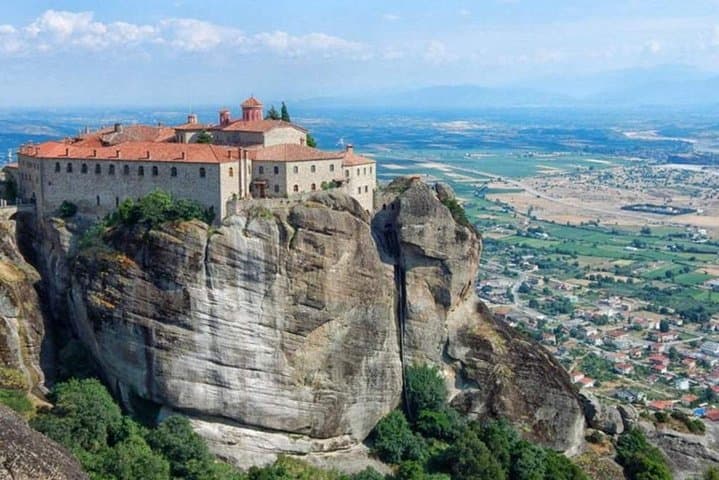
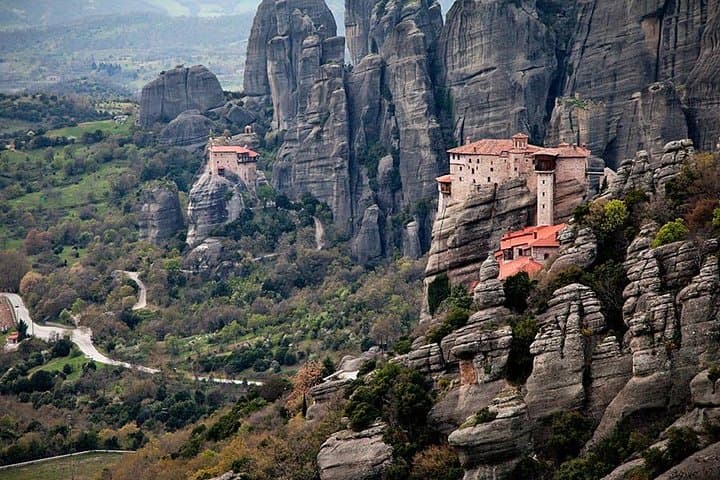
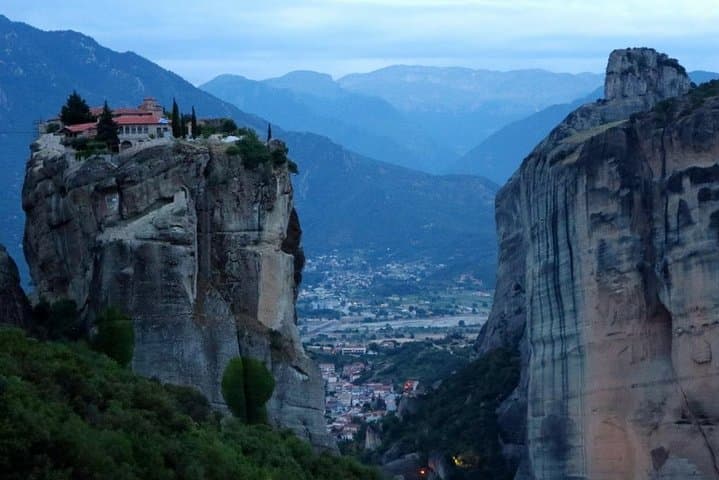
Geology here is visible history: compacted sandstone and conglomerate laid down millions of years ago and carved by water and wind into freestanding towers up to 400 meters high. Human history layered on top: from early Christian hermits seeking isolation to the Byzantine-era monasteries built on ledges and summits. Kalambaka and the neighboring village of Kastraki serve as the practical base—stone streets, local tavernas, and centuries of Orthodox tradition.
On a private tour from Corfu expect about 1.5–2 hours of ferry transit each way, a long drive to Kalambaka, and guided stops at Great Meteoron (typical visit ~60 minutes) and viewpoints above the monasteries. Monastery entry fees are usually separate and dress codes require covered shoulders and knees; many sites have steep stone steps and narrow pathways, so stable footwear is essential.
Plan for a full 12-hour day: bring water, sun protection, and a light layer against sudden wind. Photography is welcome at viewpoints, but respect interior restrictions. Use free time in Kalambaka to sample local cuisine—hearty pies and grilled meats—or to scout lower trails if time allows. This is part natural spectacle, part living cultural site: arrive prepared, move respectfully, and the cliffs will reward you with perspective and quiet.
easy.
12 hours.
Suitable for travelers who can handle extended sitting, short walks and climbing multiple flights of stairs; no special fitness required.
No—entrance fees to individual monasteries are typically not included and are paid on-site.
The ferry crossing generally takes around 1.5–2 hours each way; travel time can vary by schedule and weather.
Yes—this private tour is suitable for families and older travelers but be mindful of long travel times and stair climbs at monastery sites.
Photography rules vary; exterior viewpoints are fine but some monastery interiors restrict flash or any photography—observe posted signs and staff directions.
Meteora’s monasteries grew from 14th-century monastic communities seeking refuge from invasions; many survived as centers of Orthodox learning and manuscript preservation.
Visitor numbers are managed and some paths are restricted to protect fragile rock and monastic heritage; stick to marked trails and avoid climbing unmarked pillars.
ANY DESTINATION operates guided outdoor trips and adventures with an emphasis on safety, stewardship, and memorable experiences.
The day begins on deck as the Corfu ferry slips away from port and the Ionian gives way to the low, rolling plains of northwest Greece. Hours later, the road climbs into Thessaly and the silhouette of Meteora appears—vertical pillars of stone that seem to have been raised by the wind itself, daring travelers to look up.
The day begins on deck as the Corfu ferry slips away from port and the Ionian gives way to the low, rolling plains of northwest Greece. Hours later, the road climbs into Thessaly and the silhouette of Meteora appears—vertical pillars of stone that seem to have been raised by the wind itself, daring travelers to look up.
Geology here is visible history: compacted sandstone and conglomerate laid down millions of years ago and carved by water and wind into freestanding towers up to 400 meters high. Human history layered on top: from early Christian hermits seeking isolation to the Byzantine-era monasteries built on ledges and summits. Kalambaka and the neighboring village of Kastraki serve as the practical base—stone streets, local tavernas, and centuries of Orthodox tradition.
On a private tour from Corfu expect about 1.5–2 hours of ferry transit each way, a long drive to Kalambaka, and guided stops at Great Meteoron (typical visit ~60 minutes) and viewpoints above the monasteries. Monastery entry fees are usually separate and dress codes require covered shoulders and knees; many sites have steep stone steps and narrow pathways, so stable footwear is essential.
Plan for a full 12-hour day: bring water, sun protection, and a light layer against sudden wind. Photography is welcome at viewpoints, but respect interior restrictions. Use free time in Kalambaka to sample local cuisine—hearty pies and grilled meats—or to scout lower trails if time allows. This is part natural spectacle, part living cultural site: arrive prepared, move respectfully, and the cliffs will reward you with perspective and quiet.