THE ADVENTURE COLLECTIVE® · Independent discovery and booking for outdoor travel

Escape Thessaloniki for a day and stand beneath Meteora’s towering stone pillars, where centuries-old monasteries cling to cliffs. This full-day tour pairs dramatic geology with Byzantine history—and a chance to sample local tavern fare in Kalabaka.
Escape Thessaloniki for a day and stand beneath Meteora’s towering stone pillars, where centuries-old monasteries cling to cliffs. This full-day tour pairs dramatic geology with Byzantine history—and a chance to sample local tavern fare in Kalabaka.
The road opens out to a skyline of stone pillars—sheer, rounded towers that rise like ancient sentinels above patchwork fields. On a full-day drive from Thessaloniki, the minivan threads through olive groves and small villages before Meteora’s cliffs appear, crowned with monasteries clinging to ledges and plateaus.
Verified experiences and guided adventures in the surrounding area.
Operated by CATTAXI · Kalabaka, Thessaly
The road opens out to a skyline of stone pillars—sheer, rounded towers that rise like ancient sentinels above patchwork fields. On a full-day drive from Thessaloniki, the minivan threads through olive groves and small villages before Meteora’s cliffs appear, crowned with monasteries clinging to ledges and plateaus.
Those rock formations are the work of time: Miocene-era sandstone and conglomerate sculpted by river erosion and earthquakes, then weathered into the vertical columns you see today. Monastic life arrived in the 11th century, when hermits scaled the rocks seeking solitude; by the 14th–16th centuries the complex became a network of monasteries whose frescoes and relics record Orthodox devotion and local history.
Culturally, Meteora remains both a place of pilgrimage and a living village landscape—Kalabaka and Kastraki offer tavernas where you can taste local lamb, honey, and tsipouro after the quiet of the cloisters. Between visits the viewpoints give wide, raw panoramas; the wind seems to push you closer to the stones, and the pine-scented air sharpens the vistas.
Practically, expect 10–12 hours including a 3–4 hour window inside two to three monasteries and multiple short stops at lookouts. Prepare for uneven steps—monastery access often requires climbing stone staircases and covering short gravel paths. Bring modest clothing for entry, cash for small admissions and donations, and sturdy footwear for rocky surfaces. Aim for early departure to avoid midafternoon crowds and summer heat. With a little planning, the day balances history, geology, and panoramic walking into an efficient, transportive outing from Thessaloniki.
moderate.
10–12 hours.
Basic fitness for climbing multiple staircases and short walks on uneven terrain; comfortable mobility recommended.
Pick-up and return from central Thessaloniki makes the full-day excursion roughly 10–12 hours including drive time and multiple site visits.
Monastery entrance fees and some donations are generally not included—bring small amounts of cash in euros.
Visitors must follow dress codes (covered shoulders and knees); some sites have steps that may limit access for those with mobility issues.
Drivers provide local insight and drop-offs but typically remain outside while guests tour the monasteries.
Meteora developed as a monastic center from the 11th century, with major monastery construction during the 14th–16th centuries when monks sought remote refuge amid political turbulence.
Meteora is a UNESCO World Heritage Site; visitors are asked to respect fragile habitats and cultural sites by staying on paths, minimizing waste, and following monastery rules.
CATTAXI operates guided outdoor trips and adventures with an emphasis on safety, stewardship, and memorable experiences.
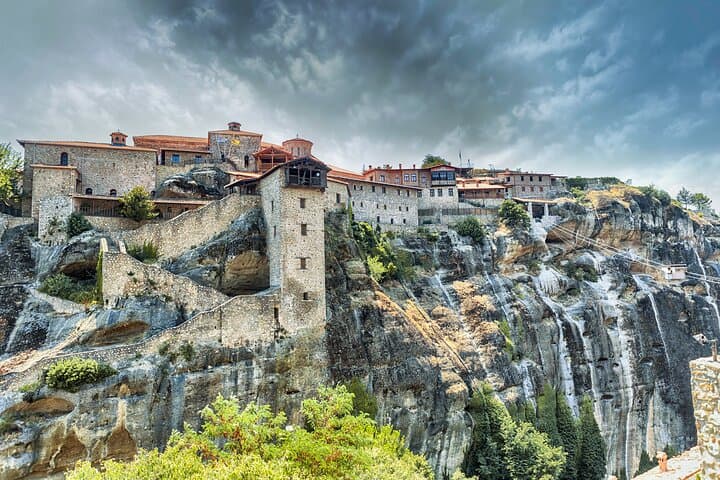
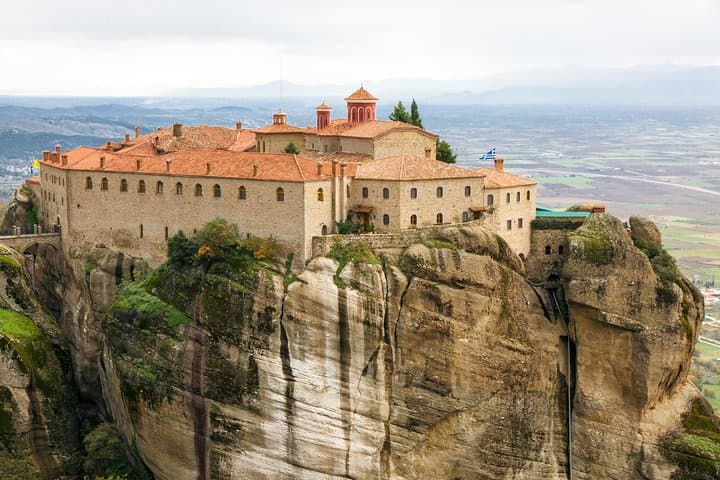
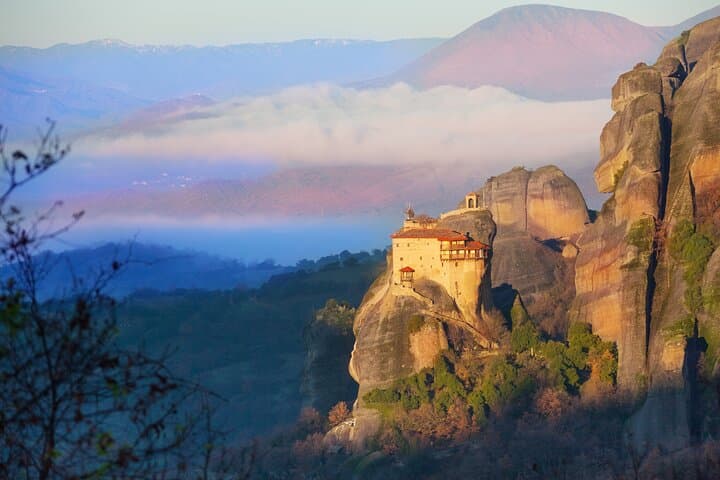
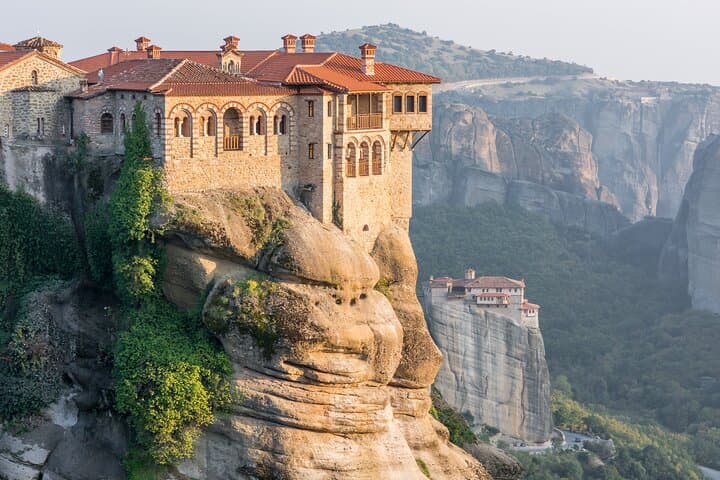
The road opens out to a skyline of stone pillars—sheer, rounded towers that rise like ancient sentinels above patchwork fields. On a full-day drive from Thessaloniki, the minivan threads through olive groves and small villages before Meteora’s cliffs appear, crowned with monasteries clinging to ledges and plateaus.
The road opens out to a skyline of stone pillars—sheer, rounded towers that rise like ancient sentinels above patchwork fields. On a full-day drive from Thessaloniki, the minivan threads through olive groves and small villages before Meteora’s cliffs appear, crowned with monasteries clinging to ledges and plateaus.
Those rock formations are the work of time: Miocene-era sandstone and conglomerate sculpted by river erosion and earthquakes, then weathered into the vertical columns you see today. Monastic life arrived in the 11th century, when hermits scaled the rocks seeking solitude; by the 14th–16th centuries the complex became a network of monasteries whose frescoes and relics record Orthodox devotion and local history.
Culturally, Meteora remains both a place of pilgrimage and a living village landscape—Kalabaka and Kastraki offer tavernas where you can taste local lamb, honey, and tsipouro after the quiet of the cloisters. Between visits the viewpoints give wide, raw panoramas; the wind seems to push you closer to the stones, and the pine-scented air sharpens the vistas.
Practically, expect 10–12 hours including a 3–4 hour window inside two to three monasteries and multiple short stops at lookouts. Prepare for uneven steps—monastery access often requires climbing stone staircases and covering short gravel paths. Bring modest clothing for entry, cash for small admissions and donations, and sturdy footwear for rocky surfaces. Aim for early departure to avoid midafternoon crowds and summer heat. With a little planning, the day balances history, geology, and panoramic walking into an efficient, transportive outing from Thessaloniki.