THE ADVENTURE COLLECTIVE® · Independent discovery and booking for outdoor travel

Cross the Ionian to reach Meteora’s dramatic sandstone pinnacles on a full-day guided tour from Corfu. Visit Grand Meteoron, learn the history of the monasteries, and take in sweeping mountain views—ideal for travelers who don’t want to miss mainland Greece in a single long day.
Cross the Ionian to reach Meteora’s dramatic sandstone pinnacles on a full-day guided tour from Corfu. Visit Grand Meteoron, learn the history of the monasteries, and take in sweeping mountain views—ideal for travelers who don’t want to miss mainland Greece in a single long day.
You step off the minibus at the lip of a thousand-year story: sheer sandstone pillars rise like hulks of slow geology, monasteries balancing on flat summits as wind shapes the air around them. The drive from Corfu to the port of Lefkimmi, the ferry crossing, then the inland road to Meteora compresses sea and mountain into a single long day of changing light.
Verified experiences and guided adventures in the surrounding area.
Operated by ANY DESTINATION · Kalambaka, Thessaly
You step off the minibus at the lip of a thousand-year story: sheer sandstone pillars rise like hulks of slow geology, monasteries balancing on flat summits as wind shapes the air around them. The drive from Corfu to the port of Lefkimmi, the ferry crossing, then the inland road to Meteora compresses sea and mountain into a single long day of changing light.
Meteora’s vertical landscape was sculpted by river deltas and weathering over millions of years; monks arrived in the 11th century and built refuges that became centers of Orthodox life and icon painting. Grand Meteoron, the largest monastery, displays frescoes, wooden galleries and a strict dress code—men in trousers and long sleeves, women in skirts below the knee.
Expect narrow staircases hewn into rock, stone terraces with sweeping valley views, and pockets of history in small museums and an icons’ workshop. Guides outline both the geological origins and the monastic rituals that shaped local culture. Lunch is optional at a taverna with mountain views, and the return trip to Corfu completes a day full of contrasts: Aegean salt air followed by inland pine and stone.
Practical notes: this is a long day—13 hours including transfers and ferry crossings—so bring water, sun protection and comfortable shoes. Photography is allowed but respectful behavior is required inside religious sites. Winter can be cold and slippery; summer can be hot and bright. The trip is ideal for travelers comfortable with long drives and modest walking on uneven stone.
easy.
12–14 hours.
Suitable for most fitness levels; expect several short stair climbs and 1–2 hours of walking on uneven stone surfaces.
The crossing typically takes 1.5–2 hours depending on the specific route and sea conditions; schedules are included in the tour timing.
Check the tour confirmation—this itinerary lists visits but does not always include every monastery entrance fee; some charges can be paid on-site.
The day includes steep steps and uneven ground; it’s rated easy overall but not ideal for those with limited mobility or who cannot climb stairs.
Men must wear long trousers and long sleeves; women must wear a long skirt or cover the knees and shoulders—carrying a scarf or skirt is recommended.
Monastic life on Meteora expanded from the 11th century as ascetics sought seclusion; the monasteries later became centers of Orthodox art and manuscript preservation.
Meteora is a UNESCO site with visitor management measures; stick to paths, avoid leaving waste, and follow signage to protect fragile rock and historic fabric.
ANY DESTINATION operates guided outdoor trips and adventures with an emphasis on safety, stewardship, and memorable experiences.
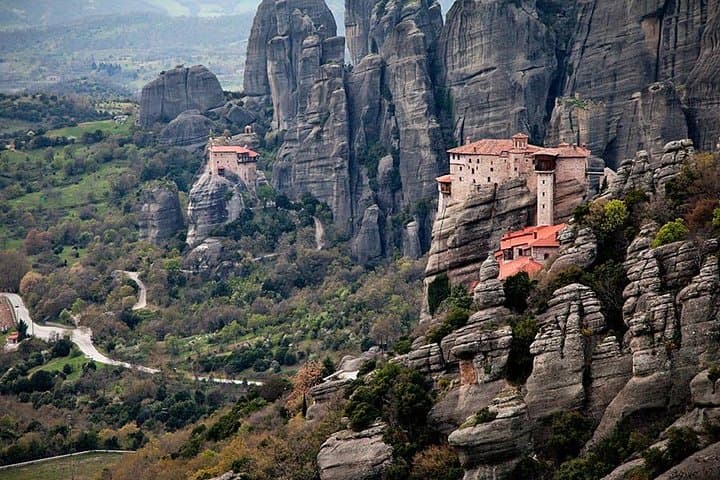
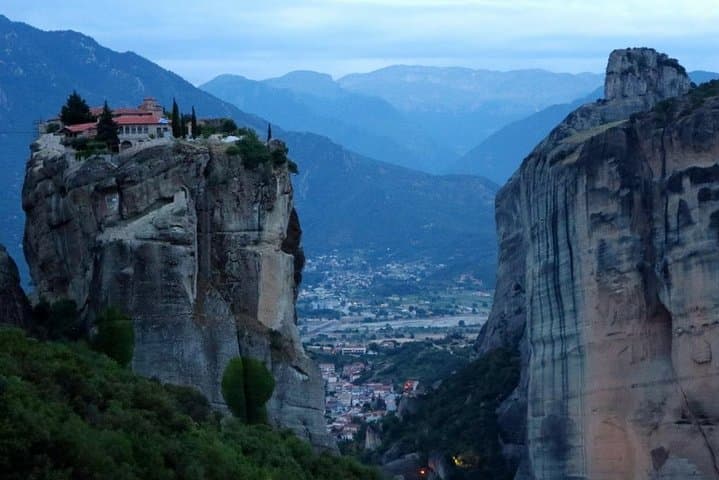
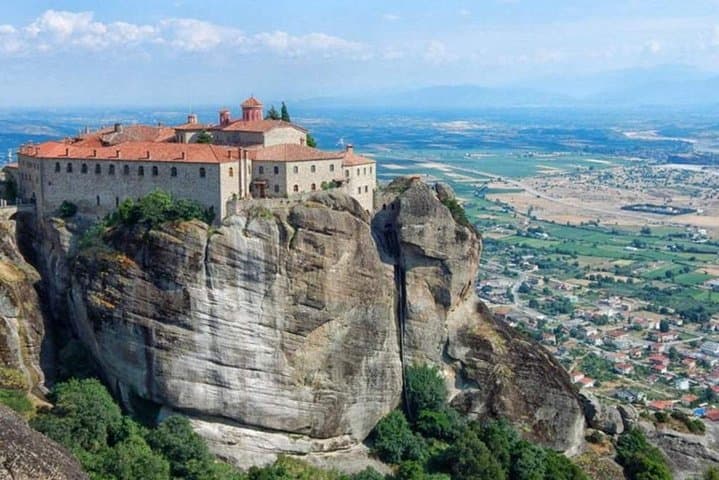
You step off the minibus at the lip of a thousand-year story: sheer sandstone pillars rise like hulks of slow geology, monasteries balancing on flat summits as wind shapes the air around them. The drive from Corfu to the port of Lefkimmi, the ferry crossing, then the inland road to Meteora compresses sea and mountain into a single long day of changing light.
You step off the minibus at the lip of a thousand-year story: sheer sandstone pillars rise like hulks of slow geology, monasteries balancing on flat summits as wind shapes the air around them. The drive from Corfu to the port of Lefkimmi, the ferry crossing, then the inland road to Meteora compresses sea and mountain into a single long day of changing light.
Meteora’s vertical landscape was sculpted by river deltas and weathering over millions of years; monks arrived in the 11th century and built refuges that became centers of Orthodox life and icon painting. Grand Meteoron, the largest monastery, displays frescoes, wooden galleries and a strict dress code—men in trousers and long sleeves, women in skirts below the knee.
Expect narrow staircases hewn into rock, stone terraces with sweeping valley views, and pockets of history in small museums and an icons’ workshop. Guides outline both the geological origins and the monastic rituals that shaped local culture. Lunch is optional at a taverna with mountain views, and the return trip to Corfu completes a day full of contrasts: Aegean salt air followed by inland pine and stone.
Practical notes: this is a long day—13 hours including transfers and ferry crossings—so bring water, sun protection and comfortable shoes. Photography is allowed but respectful behavior is required inside religious sites. Winter can be cold and slippery; summer can be hot and bright. The trip is ideal for travelers comfortable with long drives and modest walking on uneven stone.