THE ADVENTURE COLLECTIVE® · Independent discovery and booking for outdoor travel

A full-day journey from Athens that pairs dramatic sandstone pillars with centuries-old monasteries. Expect long drives, steep stone staircases, modest dress codes and unforgettable panoramic viewpoints.
A full-day journey from Athens that pairs dramatic sandstone pillars with centuries-old monasteries. Expect long drives, steep stone staircases, modest dress codes and unforgettable panoramic viewpoints.
Dawn over the Thessalian plain reads like a promise: the road from Athens unspools eastward and, after hours of highway, enormous stone towers begin to appear — sheer, weathered pillars that seem to have pushed themselves up from the valley floor. The air cools as you approach; wind whistles around the cliffs and the monasteries sit stubbornly atop, their red-tiled roofs and stone walls daring you to climb.
Verified experiences and guided adventures in the surrounding area.
Operated by Roadwaves Odyssey · Kalambaka, Thessaly
Dawn over the Thessalian plain reads like a promise: the road from Athens unspools eastward and, after hours of highway, enormous stone towers begin to appear — sheer, weathered pillars that seem to have pushed themselves up from the valley floor. The air cools as you approach; wind whistles around the cliffs and the monasteries sit stubbornly atop, their red-tiled roofs and stone walls daring you to climb.
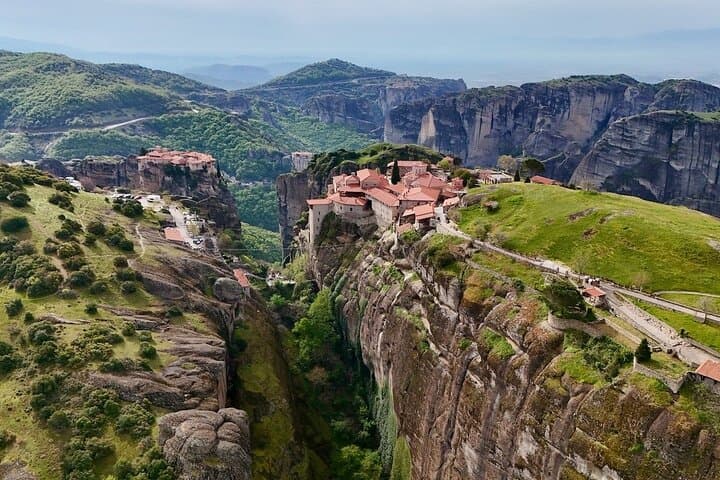
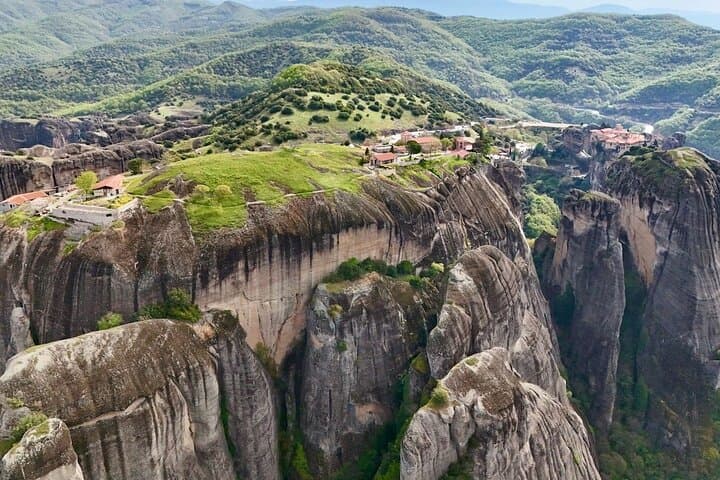
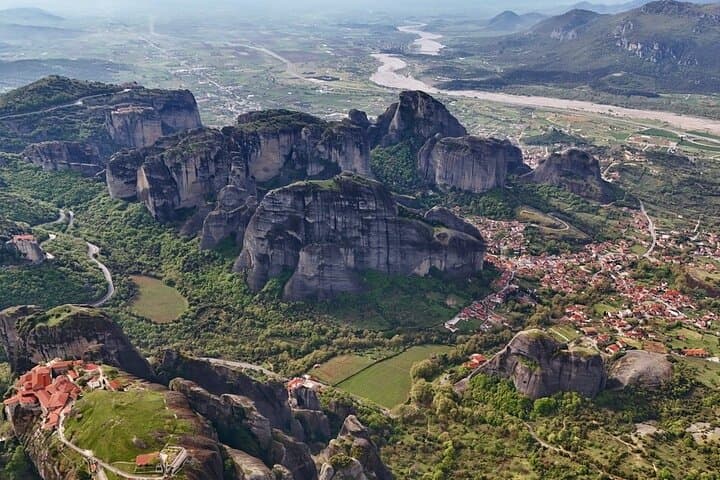
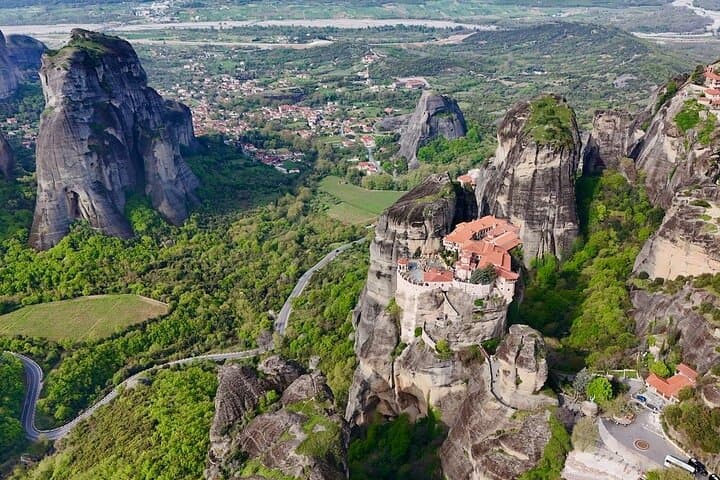
Geology here is blunt and ancient. Meteora’s columns are eroded sandstone and conglomerate formed millions of years ago and sculpted by wind and water into vertical cliffs. From the 11th century onward, Orthodox monks took advantage of the natural fortresses, building isolated monasteries in the 14th–16th centuries. The area is now a UNESCO World Heritage Site for its cultural and geological significance.
Local villages like Kalambaka and Kastraki provide practical staging points — simple tavernas, sleepy pensions, and viewpoints for sunrise and sunset. Expect narrow stone steps, small interior chapels, and rules: modest dress for women and men, quiet respect inside active religious sites, and small admission fees at most monasteries.
Practical guidance: this is a full-day outing from Athens with several hours of driving each way, so plan for a long day and bring water, sturdy shoes, and layered clothing for wind and temperature swings. Morning and late afternoon light are best for photography and fewer crowds. Check monastery opening days in advance (many close on certain weekdays) and be prepared for uneven stone staircases; accessible options are limited. With its mix of raw geology and living history, Meteora is as much a physical experience as a visual one — bring good legs and a patient sense of wonder.
moderate.
12–14 hours (full day).
Able to manage multiple flights of stone stairs and a long day of walking and standing; basic cardiovascular fitness recommended.
Direct driving time is typically 4–5 hours each way depending on traffic; expect a long day if traveling to and from Athens in a single day.
Monasteries have varying opening days and hours; many close on specific weekdays or for religious holidays, so check schedules in advance.
Most active monasteries charge a small admission fee to help with maintenance; fees vary and are usually payable in cash.
Access is limited: many monasteries require climbing steep stairs and have uneven surfaces; a few viewpoints are reachable without extensive climbing but full access may be restricted.
Monastic life on Meteora expanded in the Byzantine period (11th–14th centuries) as monks sought seclusion on the pillars; several monasteries date to the 14th–16th centuries.
Erosion and visitor impact are managed through regulated access and visitor rules; drones and off-trail exploration are often restricted to protect fragile rock and cultural sites.
Roadwaves Odyssey operates guided outdoor trips and adventures with an emphasis on safety, stewardship, and memorable experiences.
Dawn over the Thessalian plain reads like a promise: the road from Athens unspools eastward and, after hours of highway, enormous stone towers begin to appear — sheer, weathered pillars that seem to have pushed themselves up from the valley floor. The air cools as you approach; wind whistles around the cliffs and the monasteries sit stubbornly atop, their red-tiled roofs and stone walls daring you to climb.
Dawn over the Thessalian plain reads like a promise: the road from Athens unspools eastward and, after hours of highway, enormous stone towers begin to appear — sheer, weathered pillars that seem to have pushed themselves up from the valley floor. The air cools as you approach; wind whistles around the cliffs and the monasteries sit stubbornly atop, their red-tiled roofs and stone walls daring you to climb.
Geology here is blunt and ancient. Meteora’s columns are eroded sandstone and conglomerate formed millions of years ago and sculpted by wind and water into vertical cliffs. From the 11th century onward, Orthodox monks took advantage of the natural fortresses, building isolated monasteries in the 14th–16th centuries. The area is now a UNESCO World Heritage Site for its cultural and geological significance.
Local villages like Kalambaka and Kastraki provide practical staging points — simple tavernas, sleepy pensions, and viewpoints for sunrise and sunset. Expect narrow stone steps, small interior chapels, and rules: modest dress for women and men, quiet respect inside active religious sites, and small admission fees at most monasteries.
Practical guidance: this is a full-day outing from Athens with several hours of driving each way, so plan for a long day and bring water, sturdy shoes, and layered clothing for wind and temperature swings. Morning and late afternoon light are best for photography and fewer crowds. Check monastery opening days in advance (many close on certain weekdays) and be prepared for uneven stone staircases; accessible options are limited. With its mix of raw geology and living history, Meteora is as much a physical experience as a visual one — bring good legs and a patient sense of wonder.