THE ADVENTURE COLLECTIVE® · Independent discovery and booking for outdoor travel

Travel from Athens to Meteora in a day to visit three cliff-top monasteries, explore hermit caves, and taste traditional Greek fare. This guided trip blends geology, history, and practical logistics—expect stairs, short hikes, and unforgettable panoramas.
Travel from Athens to Meteora in a day to visit three cliff-top monasteries, explore hermit caves, and taste traditional Greek fare. This guided trip blends geology, history, and practical logistics—expect stairs, short hikes, and unforgettable panoramas.
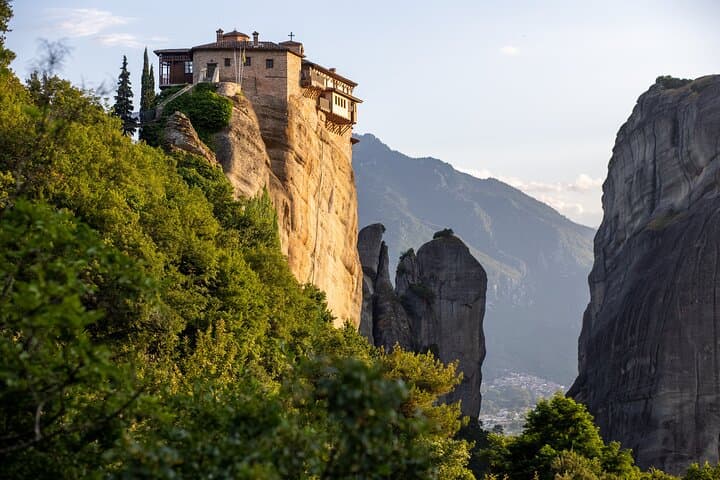
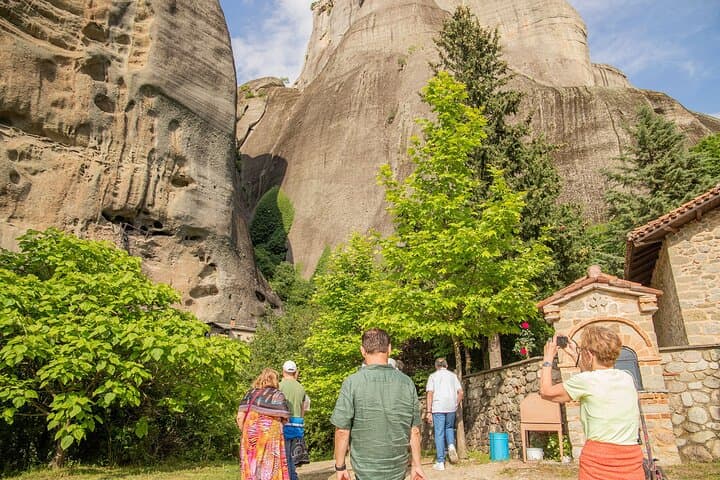
A motorcoach eases out of Athens at dawn and the plain flattens into farmland; the rock towers of Meteora appear like islands rising from the Thessalian earth, cliffs daring you to climb. By midday the group transfers to a minibus, winding past pines and scrub to reach stone steps hewn into the rock, where bell towers and frescoed chapels sit impossibly high.
Verified experiences and guided adventures in the surrounding area.
Operated by Keytours - Greece · Kalambaka, Thessaly
A motorcoach eases out of Athens at dawn and the plain flattens into farmland; the rock towers of Meteora appear like islands rising from the Thessalian earth, cliffs daring you to climb. By midday the group transfers to a minibus, winding past pines and scrub to reach stone steps hewn into the rock, where bell towers and frescoed chapels sit impossibly high.
Meteora’s pillars are volcanic conglomerates laid down 60 million years ago and sculpted by erosion into spires. Monastic life took root in the 14th century when hermits sought solitude in these natural fortresses; the monasteries that survived Ottoman rule preserve Byzantine icons, carved wood, and the grit of centuries.
The Kastraki and Kalambaka villages at the cliffs’ base offer simple tavernas and locally produced honey—good places to pause for a traditional shared lunch after visiting three monasteries and the hermit caves where ascetics lived in near isolation.
Practical guidance: plan for lots of stairs and uneven paths; conservative clothing is required to enter the monastic interiors (long sleeves for women, no shorts for men). Bring water, comfortable walking shoes with grip, and a light layer—the winds between the rocks can be sharp even on warm days. Tickets for monastery entry are purchased on-site; carry small change.
Timing matters: a guided day trip from Athens covers three monasteries and photo stops at six formations but allows limited time inside each site. For a slower pace, consider staying overnight in Kalambaka or Kastraki to hike the connecting trails and watch the light change across the cliffs.
moderate.
14 hours.
Moderate fitness: must climb stairs and walk short uneven paths; comfortable for most active travelers.
The tour is approximately 14 hours round-trip, departing early morning and returning late evening.
No—monastery tickets are paid on-site in cash; prices are modest but vary by monastery.
Some monasteries require climbing many steps; St. Stephen’s is the most accessible and can be visited with minimal stairs.
There’s an optional traditional lunch in Kastraki and time for a light meal in Kalambaka; full meals may extend stop durations.
Meteora’s monasteries began forming in the 14th century when monks and hermits took advantage of the region’s vertical rocks to build remote religious communities; many structures preserve Byzantine iconography.
Visitor pressure and trail erosion are managed locally; stick to marked paths, avoid littering, and respect restricted monastery areas to protect fragile habitats and cultural sites.
Keytours - Greece operates guided outdoor trips and adventures with an emphasis on safety, stewardship, and memorable experiences.


A motorcoach eases out of Athens at dawn and the plain flattens into farmland; the rock towers of Meteora appear like islands rising from the Thessalian earth, cliffs daring you to climb. By midday the group transfers to a minibus, winding past pines and scrub to reach stone steps hewn into the rock, where bell towers and frescoed chapels sit impossibly high.
A motorcoach eases out of Athens at dawn and the plain flattens into farmland; the rock towers of Meteora appear like islands rising from the Thessalian earth, cliffs daring you to climb. By midday the group transfers to a minibus, winding past pines and scrub to reach stone steps hewn into the rock, where bell towers and frescoed chapels sit impossibly high.
Meteora’s pillars are volcanic conglomerates laid down 60 million years ago and sculpted by erosion into spires. Monastic life took root in the 14th century when hermits sought solitude in these natural fortresses; the monasteries that survived Ottoman rule preserve Byzantine icons, carved wood, and the grit of centuries.
The Kastraki and Kalambaka villages at the cliffs’ base offer simple tavernas and locally produced honey—good places to pause for a traditional shared lunch after visiting three monasteries and the hermit caves where ascetics lived in near isolation.
Practical guidance: plan for lots of stairs and uneven paths; conservative clothing is required to enter the monastic interiors (long sleeves for women, no shorts for men). Bring water, comfortable walking shoes with grip, and a light layer—the winds between the rocks can be sharp even on warm days. Tickets for monastery entry are purchased on-site; carry small change.
Timing matters: a guided day trip from Athens covers three monasteries and photo stops at six formations but allows limited time inside each site. For a slower pace, consider staying overnight in Kalambaka or Kastraki to hike the connecting trails and watch the light change across the cliffs.