THE ADVENTURE COLLECTIVE® · Independent discovery and booking for outdoor travel

Leave Kalambaka for an afternoon among Meteora’s soaring rock pillars: visit three monasteries, taste a traditional Greek lunch, and capture sweeping panoramas. This five-hour tour pairs local history with practical logistics for a smooth, immersive visit.
Leave Kalambaka for an afternoon among Meteora’s soaring rock pillars: visit three monasteries, taste a traditional Greek lunch, and capture sweeping panoramas. This five-hour tour pairs local history with practical logistics for a smooth, immersive visit.
You step off the train platform in Kalambaka at midday and the air immediately feels different — a dry, wind-carved breath that has been shaping sandstone pillars for millions of years. The bus pulls away and the first columns of rock appear like towers daring you to climb them with your eyes; sunlight slides over sheer faces while the guide points to tiny monasteries clinging to ledges.
Verified experiences and guided adventures in the surrounding area.
Operated by Meteora Trip · Kalambaka, Thessaly
You step off the train platform in Kalambaka at midday and the air immediately feels different — a dry, wind-carved breath that has been shaping sandstone pillars for millions of years. The bus pulls away and the first columns of rock appear like towers daring you to climb them with your eyes; sunlight slides over sheer faces while the guide points to tiny monasteries clinging to ledges.
Meteora’s cliffs are a product of ancient seabed uplift and millennia of erosion, creating the vertical spires that made it a refuge for hermits and then communities of monks from the 14th century onward. The monasteries you visit — Great Meteoron, Varlaam, and Saint Nicholas Anapafsas among them — hold frescoes, wooden icon screens, and stairways carved into living rock. The area is UNESCO-listed for both its geology and its remarkable monastic culture.
Practicalities are simple: the half-day tour departs Kalambaka Train Station at 12:30, includes a traditional lunch in town, panoramic photo stops, and entry to three monasteries (entrance fees are paid on site in cash). Dress respectfully — long trousers for men and below-the-knee skirts or wraps for women; rentals are available at entrances. Expect several flights of steps at some sites and uneven paths; the guide manages timing so you’ll return around 18:00. Bring sensible shoes, sun protection, and a small bottle of cash for entrances (€5 per monastery). Meteora rewards clear eyes and quiet steps: let the cliffs do the talking and the view will do the rest.
easy.
5 hours.
Suitable for most fitness levels; involves walking on uneven ground and some stairs, but no technical climbing.
No — entrance fees (about €5 per monastery) are paid on-site in cash and are not included in the tour price.
Yes — the operator offers a roundtrip bus option from Athens due to temporary train service suspension; select it when booking.
Yes — the included traditional lunch offers vegetarian and vegan options if requested in advance during booking.
Accessibility varies: Saint Stephen is the most accessible with minimal steps; others require stair climbs and uneven paths that may be challenging.
Monastic communities built Meteora’s monasteries from the 14th century onward, using ropes and ladders to transport materials; the area is a UNESCO World Heritage site for its cultural and geological significance.
Stick to marked paths and avoid touching frescoes; entrance fees and local guides help fund preservation of fragile rock faces and historic interiors.
Meteora Trip operates guided outdoor trips and adventures with an emphasis on safety, stewardship, and memorable experiences.
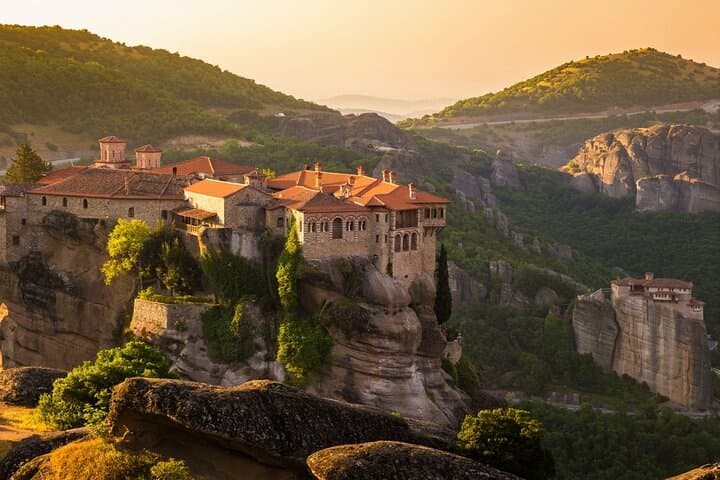


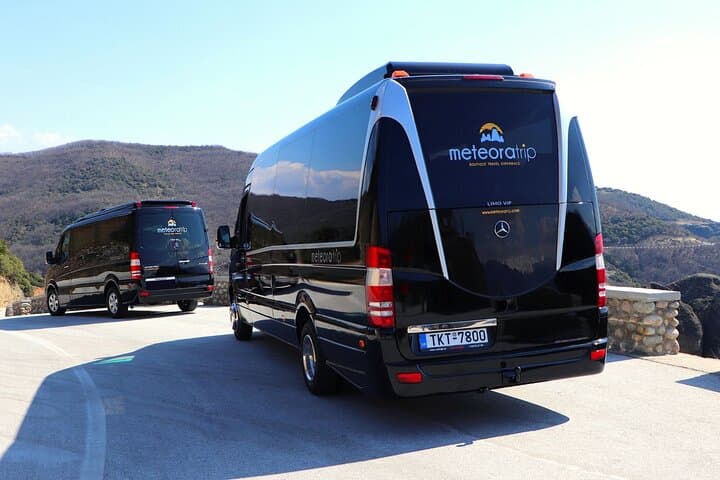
You step off the train platform in Kalambaka at midday and the air immediately feels different — a dry, wind-carved breath that has been shaping sandstone pillars for millions of years. The bus pulls away and the first columns of rock appear like towers daring you to climb them with your eyes; sunlight slides over sheer faces while the guide points to tiny monasteries clinging to ledges.
You step off the train platform in Kalambaka at midday and the air immediately feels different — a dry, wind-carved breath that has been shaping sandstone pillars for millions of years. The bus pulls away and the first columns of rock appear like towers daring you to climb them with your eyes; sunlight slides over sheer faces while the guide points to tiny monasteries clinging to ledges.
Meteora’s cliffs are a product of ancient seabed uplift and millennia of erosion, creating the vertical spires that made it a refuge for hermits and then communities of monks from the 14th century onward. The monasteries you visit — Great Meteoron, Varlaam, and Saint Nicholas Anapafsas among them — hold frescoes, wooden icon screens, and stairways carved into living rock. The area is UNESCO-listed for both its geology and its remarkable monastic culture.
Practicalities are simple: the half-day tour departs Kalambaka Train Station at 12:30, includes a traditional lunch in town, panoramic photo stops, and entry to three monasteries (entrance fees are paid on site in cash). Dress respectfully — long trousers for men and below-the-knee skirts or wraps for women; rentals are available at entrances. Expect several flights of steps at some sites and uneven paths; the guide manages timing so you’ll return around 18:00. Bring sensible shoes, sun protection, and a small bottle of cash for entrances (€5 per monastery). Meteora rewards clear eyes and quiet steps: let the cliffs do the talking and the view will do the rest.