THE ADVENTURE COLLECTIVE® · Independent discovery and booking for outdoor travel

Ride the rails from Athens to the spine-tingling rock pillars of Meteora, then explore hermit caves and perched monasteries on a full-day guided tour. Perfect for history and geology lovers who want a single-day immersion with minimal logistics.
Ride the rails from Athens to the spine-tingling rock pillars of Meteora, then explore hermit caves and perched monasteries on a full-day guided tour. Perfect for history and geology lovers who want a single-day immersion with minimal logistics.
You step off the late-morning train and the horizon rearranges itself: sheer sandstone pillars rise like islands from the Thessalian plain, monasteries perched atop as if stubborn to gravity. A minibus meets you in Kalambaka, and within minutes the road threads between vertical cliffs and olive groves, the wind nudging at the stones as if urging you higher.
Verified experiences and guided adventures in the surrounding area.
Operated by Al Tahadi Dubai · Kalambaka, Thessaly
You step off the late-morning train and the horizon rearranges itself: sheer sandstone pillars rise like islands from the Thessalian plain, monasteries perched atop as if stubborn to gravity. A minibus meets you in Kalambaka, and within minutes the road threads between vertical cliffs and olive groves, the wind nudging at the stones as if urging you higher.
Meteora’s stacked sandstone formed millions of years ago from river sediments and tectonic lifting; monks arrived in the Byzantine era, carving caves and hauling materials up ladders and ropes to build a spiritual refuge between the 14th and 16th centuries. The tour usually includes visits to two functioning monasteries and the hermitages of Badovas, where narrow paths and remnants of cells recall solitary lives.
Culturally, expect strict dress codes inside monasteries, quiet reverence and short interpretive talks from a local guide. Geology meets history in every view: rounded pinnacles, horizontal bedding planes and erosion gullies traced by seasonal streams.
Practically, this is a long day—about 14 hours door-to-door from Athens—including train time, five hours with a guide, short walks on uneven stone stairways and panoramic stops. Bring sturdy shoes, sun protection and water; photography is excellent, but allow time for a meal in Kalambaka before the return train. Monastery entry may require modest fees and closures occur on religious holidays. If you prefer to move at your own pace, consider staying overnight in Kalambaka; otherwise, the train day trip is an efficient, scenic introduction to one of Greece’s most dramatic landscapes.
easy.
~14 hours (door-to-door from Athens).
Suitable for average fitness; you should be comfortable walking short distances and climbing stone steps.
Yes—round-trip train tickets Athens–Kalambaka–Athens are included and provided upon booking.
Monastery entry fees are typically not included and vary by monastery; bring a small amount of cash and be prepared for occasional closures.
Policies vary; the operator notes stroller access and infant seats but also advises checking age restrictions—confirm with the supplier before booking.
Walking is light to moderate: short paved and stone stairways to viewpoints and monastery interiors; mobility limitations may make some sites difficult to access.
Meteora’s monasteries grew between the 14th and 16th centuries when monks sought isolation atop sandstone pillars; their rope-and-ladder logistics shaped a unique monastic culture.
The fragile sandstone and limited trail network are susceptible to erosion; stay on paths, avoid climbing unmarked rock and respect monastery rules to reduce impact.
Al Tahadi Dubai operates guided outdoor trips and adventures with an emphasis on safety, stewardship, and memorable experiences.
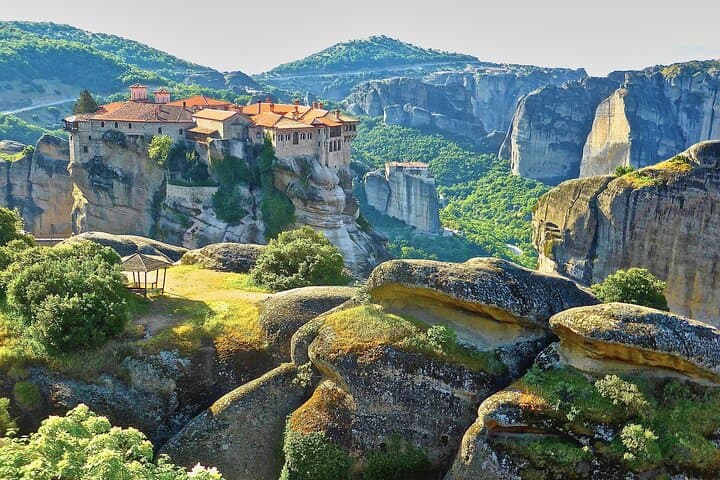
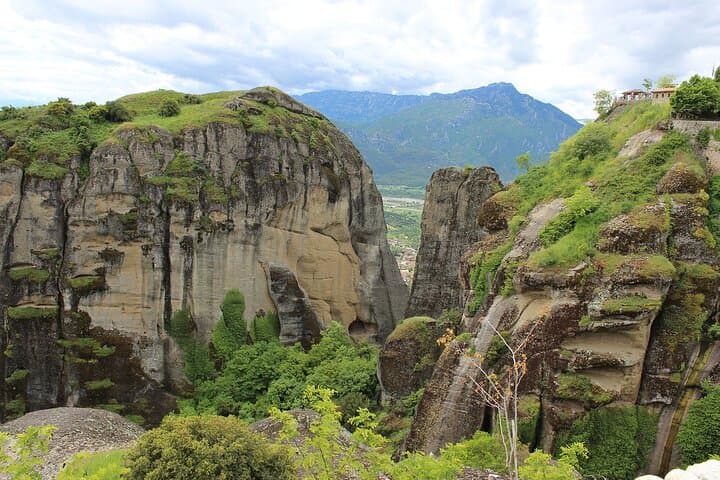
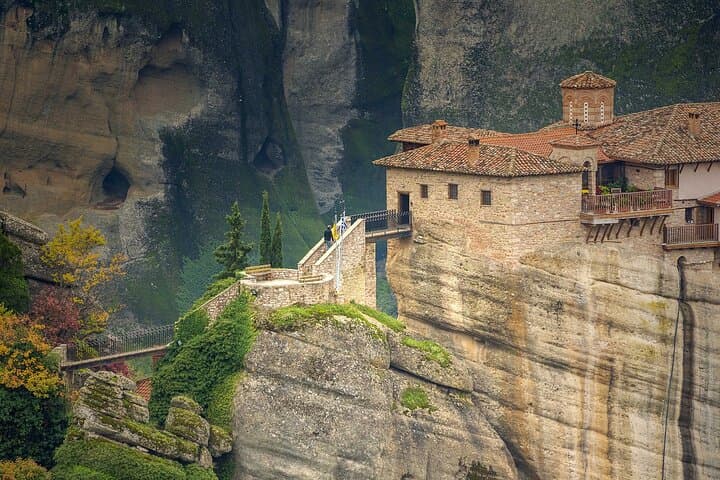
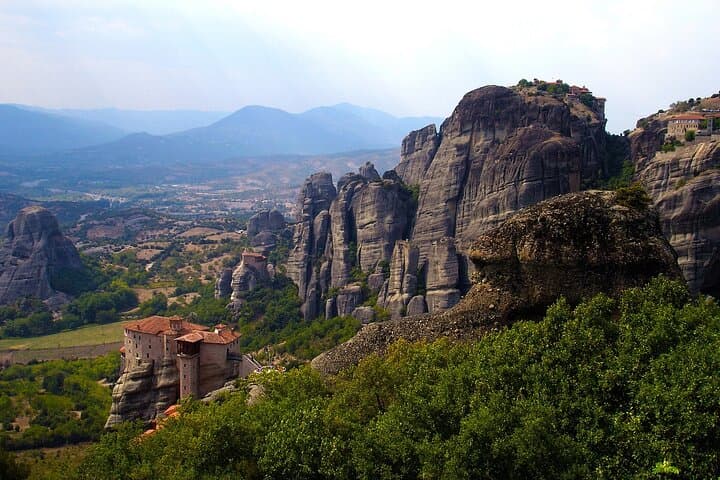
You step off the late-morning train and the horizon rearranges itself: sheer sandstone pillars rise like islands from the Thessalian plain, monasteries perched atop as if stubborn to gravity. A minibus meets you in Kalambaka, and within minutes the road threads between vertical cliffs and olive groves, the wind nudging at the stones as if urging you higher.
You step off the late-morning train and the horizon rearranges itself: sheer sandstone pillars rise like islands from the Thessalian plain, monasteries perched atop as if stubborn to gravity. A minibus meets you in Kalambaka, and within minutes the road threads between vertical cliffs and olive groves, the wind nudging at the stones as if urging you higher.
Meteora’s stacked sandstone formed millions of years ago from river sediments and tectonic lifting; monks arrived in the Byzantine era, carving caves and hauling materials up ladders and ropes to build a spiritual refuge between the 14th and 16th centuries. The tour usually includes visits to two functioning monasteries and the hermitages of Badovas, where narrow paths and remnants of cells recall solitary lives.
Culturally, expect strict dress codes inside monasteries, quiet reverence and short interpretive talks from a local guide. Geology meets history in every view: rounded pinnacles, horizontal bedding planes and erosion gullies traced by seasonal streams.
Practically, this is a long day—about 14 hours door-to-door from Athens—including train time, five hours with a guide, short walks on uneven stone stairways and panoramic stops. Bring sturdy shoes, sun protection and water; photography is excellent, but allow time for a meal in Kalambaka before the return train. Monastery entry may require modest fees and closures occur on religious holidays. If you prefer to move at your own pace, consider staying overnight in Kalambaka; otherwise, the train day trip is an efficient, scenic introduction to one of Greece’s most dramatic landscapes.