THE ADVENTURE COLLECTIVE® · Independent discovery and booking for outdoor travel

Explore Meteora’s cliff-top monasteries and photo-ready viewpoints on a focused half-day tour from Kalambaka. This guided experience combines short walks, monastery visits (seasonal openings), and multiple overlooks for vivid views and historical insight.
Explore Meteora’s cliff-top monasteries and photo-ready viewpoints on a focused half-day tour from Kalambaka. This guided experience combines short walks, monastery visits (seasonal openings), and multiple overlooks for vivid views and historical insight.
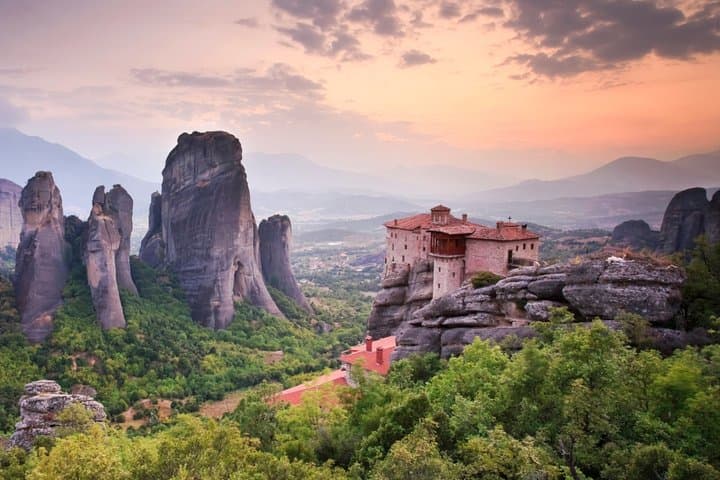
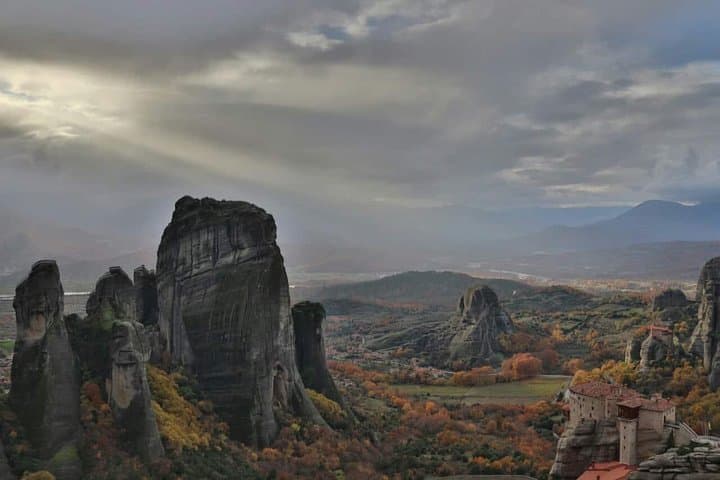
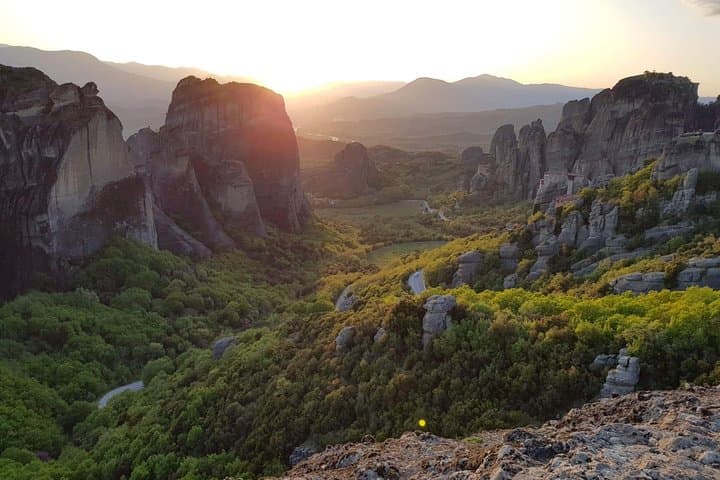
You step off the train in Kalambaka and the rocks are already speaking—sheer sandstone towers rising like carved columns, their faces catching light and shadow as the valley breathes beneath them.
Verified experiences and guided adventures in the surrounding area.
Operated by Meteora Tour · Kalambaka, Thessaly
You step off the train in Kalambaka and the rocks are already speaking—sheer sandstone towers rising like carved columns, their faces catching light and shadow as the valley breathes beneath them.
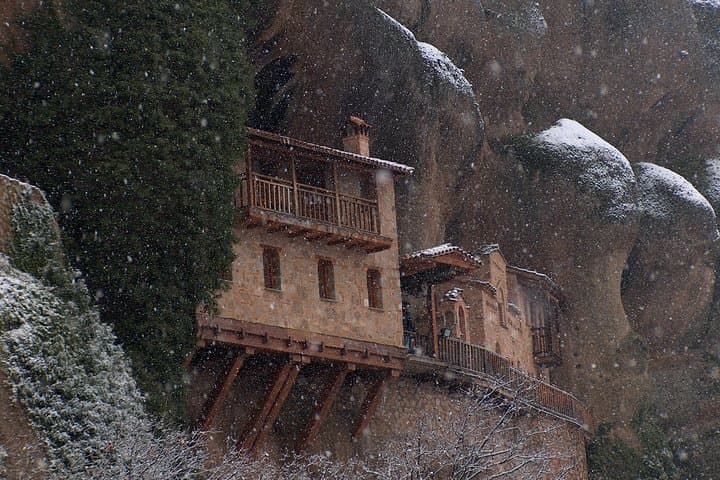
The Meteora All Monasteries Tour threads you onto narrow roads and switchback viewpoints that frame those rock pillars, then ferries you up to courtyards and frescoed naves where centuries of prayer linger in the stones. Geologically, Meteora is a remnant of river-borne sediment hardened and uplifted over millions of years; weather has sculpted the pillars into the dramatic skyline you’ll study through a lens. Culturally, the site grew when hermits and later monastic communities sought solitude here from the 11th–14th centuries, building precarious staircases and rope hoists to reach cliff-top sanctuaries.
Expect three monastery interiors open depending on season and hours, plus several photo stops on roadside overlooks and quieter chapels that receive fewer visitors. The tour balances walking on uneven footpaths with short drives in a climate-controlled minibus; staircases to monastery courtyards can be steep.
Practical guidance: wear sturdy shoes, carry 1–1.5 liters of water, and bring sun protection—shade is thin on the viewpoints. Dress conservatively inside religious sites (shoulders and knees covered); a lightweight layer helps for breezy ridge-top conditions. Aim for early afternoon light for photographs if your schedule allows. Respect restricted areas, follow your guide’s route to minimize erosion, and leave no trace—Meteora’s fragile cliffs and monastic heritage rely on careful visitors.
moderate.
4 hours.
Suitable for travelers with moderate fitness who can manage uneven terrain and stairways; not recommended for people with limited mobility.
The tour visits all monastery sites and typically includes interior access to three, depending on seasonal opening hours and monastery schedules.
The tour begins and ends at Kalambaka Train Station—timing is coordinated with local train schedules; check pickup details when booking.
Children and older adults can join if they can manage short walks and stair climbs; inform the operator of mobility concerns in advance.
Monastery entrance fees are sometimes required and may be paid in cash or card depending on the site—carry a small amount of cash to be safe.
Hermit communities arrived from the 11th century and full monastic complexes were built atop the pillars from the 14th century onward, using ropes and ladders to reach the summits.
Visitor management and respectful behavior are vital; stick to marked paths to reduce erosion and follow monastery rules to protect fragile frescoes and sites.
Meteora Tour operates guided outdoor trips and adventures with an emphasis on safety, stewardship, and memorable experiences.
You step off the train in Kalambaka and the rocks are already speaking—sheer sandstone towers rising like carved columns, their faces catching light and shadow as the valley breathes beneath them.
You step off the train in Kalambaka and the rocks are already speaking—sheer sandstone towers rising like carved columns, their faces catching light and shadow as the valley breathes beneath them.
The Meteora All Monasteries Tour threads you onto narrow roads and switchback viewpoints that frame those rock pillars, then ferries you up to courtyards and frescoed naves where centuries of prayer linger in the stones. Geologically, Meteora is a remnant of river-borne sediment hardened and uplifted over millions of years; weather has sculpted the pillars into the dramatic skyline you’ll study through a lens. Culturally, the site grew when hermits and later monastic communities sought solitude here from the 11th–14th centuries, building precarious staircases and rope hoists to reach cliff-top sanctuaries.
Expect three monastery interiors open depending on season and hours, plus several photo stops on roadside overlooks and quieter chapels that receive fewer visitors. The tour balances walking on uneven footpaths with short drives in a climate-controlled minibus; staircases to monastery courtyards can be steep.
Practical guidance: wear sturdy shoes, carry 1–1.5 liters of water, and bring sun protection—shade is thin on the viewpoints. Dress conservatively inside religious sites (shoulders and knees covered); a lightweight layer helps for breezy ridge-top conditions. Aim for early afternoon light for photographs if your schedule allows. Respect restricted areas, follow your guide’s route to minimize erosion, and leave no trace—Meteora’s fragile cliffs and monastic heritage rely on careful visitors.