THE ADVENTURE COLLECTIVE® · Independent discovery and booking for outdoor travel

Experience Ethiopia’s Meskel Festival in Addis Ababa, then journey to Adadi Mariam, Melka Kunture and the UNESCO stelae at Tiya on a focused two-day cultural tour. Expect bonfires, clergy processions, museum context and archaeological field sites.
Experience Ethiopia’s Meskel Festival in Addis Ababa, then journey to Adadi Mariam, Melka Kunture and the UNESCO stelae at Tiya on a focused two-day cultural tour. Expect bonfires, clergy processions, museum context and archaeological field sites.
You arrive as the city gathers — smoke threads upward from the Demera bonfire, and chants move through the crowd like an answering wind. Meskel Square fills with saffron daisies, clergy in embroidered robes, and families carrying torches; the evening is organized, loud, and intimate all at once.
Verified experiences and guided adventures in the surrounding area.
Operated by Finot Tour Ethiopia - Day Tours · Addis Ababa, Addis Ababa
You arrive as the city gathers — smoke threads upward from the Demera bonfire, and chants move through the crowd like an answering wind. Meskel Square fills with saffron daisies, clergy in embroidered robes, and families carrying torches; the evening is organized, loud, and intimate all at once.
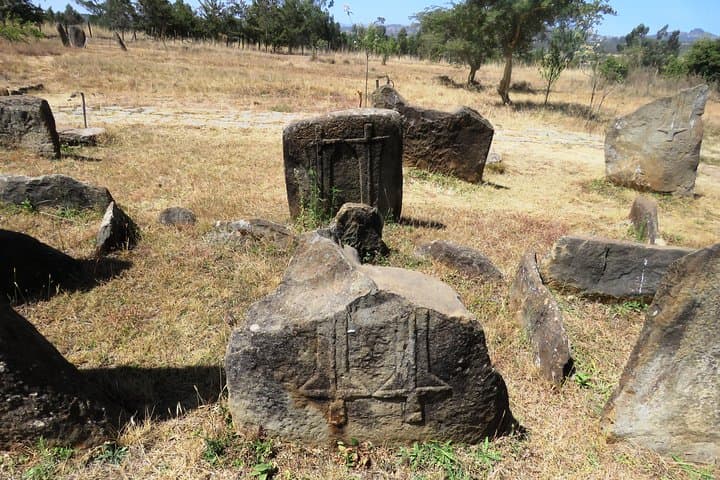
The festival itself reaches back more than 1,600 years: Meskel commemorates the Finding of the True Cross and has been part of Ethiopian Orthodox practice since antiquity. Addis Ababa’s museums — notably the National Museum with its famed Lucy — give context to the deeper human history that surrounds the celebration, while nearby Melka Kunture opens a window into Neolithic toolmakers by the Awash Gorge. Adadi Mariam’s rock-hewn church, contemporaneous with Lalibela’s structures, offers a quieter, medieval counterpoint. Tiya’s engraved stelae, now a UNESCO site, point to regional funerary traditions and medieval social networks.
Expect city streets alive with procession routes, a controlled yet crowded square on Demera night, and a second day of scenic highway driving to archaeological fields and rural churches. Terrain is urban and paved for Day 1, with gentle dirt tracks and short walks around Day 2 sites; elevations are moderate, but travel involves several hours in a vehicle.
Practical guidance: book hotels in central Addis Ababa to minimize transfers, carry cash for small vendors, wear closed shoes for walking at heritage sites, and bring a light layer for smoky evenings. Respect religious spaces: modest dress and quiet observation are standard. With planning, this two-day package pairs intense cultural immersion with accessible field archaeology and living ritual.
easy.
2 days.
Suitable for travelers in average physical condition; involves short walks and periods of standing during ceremonies
Meskel Square fills with thousands of attendees; expect dense crowds especially near the bonfire—arrive early for good viewing and planned meeting points.
No—both sites require short walks on uneven ground and some steps; they are accessible with basic mobility, but wear good footwear.
Yes, the tour is family-friendly; infants may need to sit on laps during transfers and should be kept away from the bonfire heat and smoke.
No special permits are required; entrance fees or local guide arrangements may apply and are usually organized by the tour operator.
Meskel links back to early Ethiopian Christianity and local royal patronage; Tiya’s stelae reflect medieval regional burial practices.
Respect monuments by staying on designated paths and avoid removing artifacts; local initiatives aim to protect stelae and church frescoes from erosion and unregulated tourism.
Finot Tour Ethiopia - Day Tours operates guided outdoor trips and adventures with an emphasis on safety, stewardship, and memorable experiences.
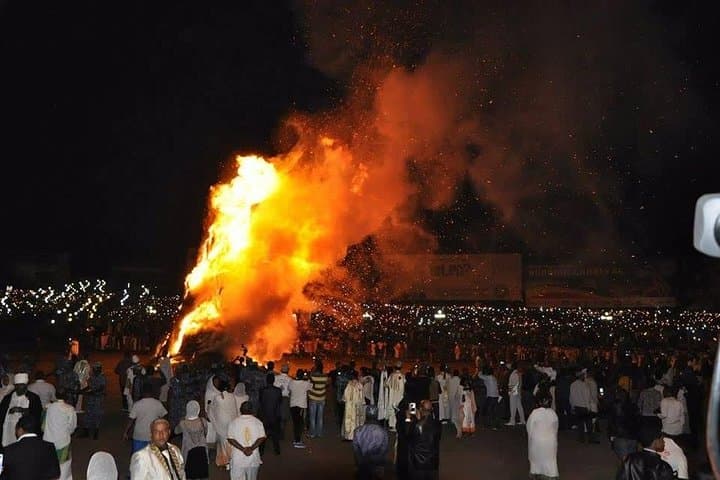
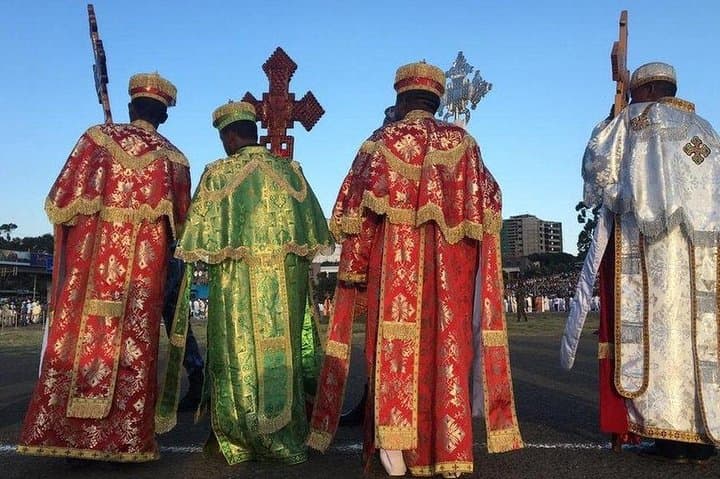
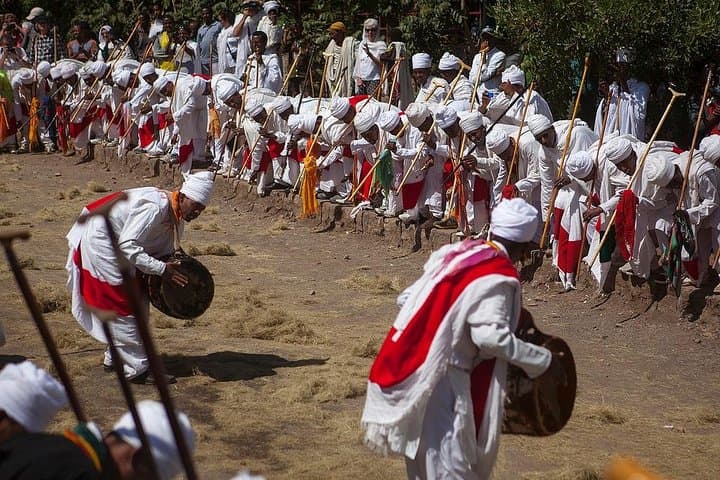
You arrive as the city gathers — smoke threads upward from the Demera bonfire, and chants move through the crowd like an answering wind. Meskel Square fills with saffron daisies, clergy in embroidered robes, and families carrying torches; the evening is organized, loud, and intimate all at once.
You arrive as the city gathers — smoke threads upward from the Demera bonfire, and chants move through the crowd like an answering wind. Meskel Square fills with saffron daisies, clergy in embroidered robes, and families carrying torches; the evening is organized, loud, and intimate all at once.
The festival itself reaches back more than 1,600 years: Meskel commemorates the Finding of the True Cross and has been part of Ethiopian Orthodox practice since antiquity. Addis Ababa’s museums — notably the National Museum with its famed Lucy — give context to the deeper human history that surrounds the celebration, while nearby Melka Kunture opens a window into Neolithic toolmakers by the Awash Gorge. Adadi Mariam’s rock-hewn church, contemporaneous with Lalibela’s structures, offers a quieter, medieval counterpoint. Tiya’s engraved stelae, now a UNESCO site, point to regional funerary traditions and medieval social networks.
Expect city streets alive with procession routes, a controlled yet crowded square on Demera night, and a second day of scenic highway driving to archaeological fields and rural churches. Terrain is urban and paved for Day 1, with gentle dirt tracks and short walks around Day 2 sites; elevations are moderate, but travel involves several hours in a vehicle.
Practical guidance: book hotels in central Addis Ababa to minimize transfers, carry cash for small vendors, wear closed shoes for walking at heritage sites, and bring a light layer for smoky evenings. Respect religious spaces: modest dress and quiet observation are standard. With planning, this two-day package pairs intense cultural immersion with accessible field archaeology and living ritual.