THE ADVENTURE COLLECTIVE® · Independent discovery and booking for outdoor travel

Get up close with mambas and three‑metre crocodiles, then learn Maasai traditions at Meserani Snake Park just west of Arusha. This 2–3 hour visit blends reptile displays, feeding demos, and a community‑run cultural museum.
Get up close with mambas and three‑metre crocodiles, then learn Maasai traditions at Meserani Snake Park just west of Arusha. This 2–3 hour visit blends reptile displays, feeding demos, and a community‑run cultural museum.
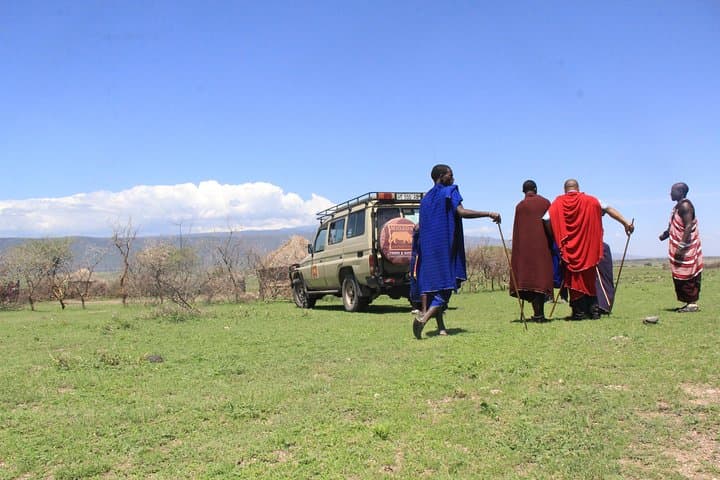
A low, sunburnt wind pushes across the scrub as you arrive at Meserani Snake Park, about a 45‑minute drive west of Arusha. The air carries dust and the faint metallic hiss of reptiles; a Maasai guide greets you with steady calm and the promise of close encounters. Inside the fenced displays, mambas slide like dark thoughts over warm rocks, while the crocodile enclosure waits—ancient mouths that open on schedule for feeding demonstrations.
Verified experiences and guided adventures in the surrounding area.
Operated by Migada Adventures Tours and Safaris Co Ltd · Arusha, Arusha Region
A low, sunburnt wind pushes across the scrub as you arrive at Meserani Snake Park, about a 45‑minute drive west of Arusha. The air carries dust and the faint metallic hiss of reptiles; a Maasai guide greets you with steady calm and the promise of close encounters. Inside the fenced displays, mambas slide like dark thoughts over warm rocks, while the crocodile enclosure waits—ancient mouths that open on schedule for feeding demonstrations.
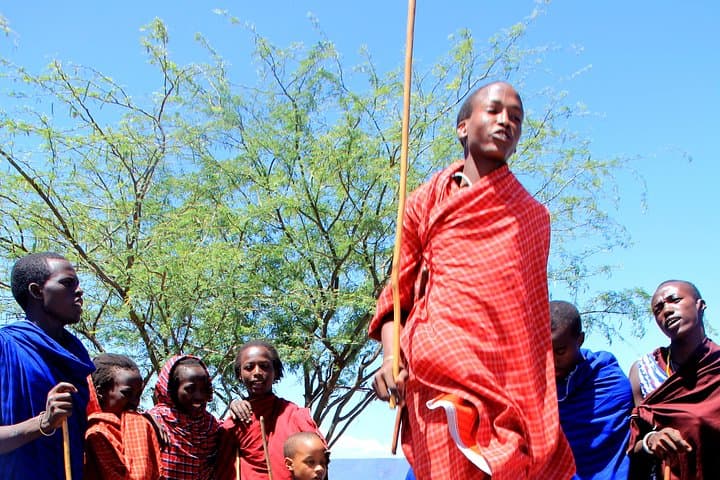
The park sits on the northern Tanzanian plains where volcanic soils meet acacia scrub, an interface that long supported Maasai grazing and now supports small conservation and cultural enterprises. Meserani combines a reptile collection—Black and Green Mamba, Egyptian Cobra, Puff Adder—and a crocodile pond with a community-run Maasai Cultural Museum that explains local lifeways and beadwork techniques.
Expect straightforward, flat walking paths and short, guided exhibits rather than strenuous trails. Tours typically run 2–3 hours, include return transport from Arusha, and finish with time in the museum and craft stalls run by local artisans. The experience balances up‑close animal encounters (you may be invited to hold a handled snake under supervision) with cultural interpretation from Maasai guides who explain medicinal uses, cattle culture, and local conservation efforts.
Practical guidance: go in the cooler morning hours, bring sun protection and closed‑toe shoes, and keep a respectful distance unless guided staff indicate safe interaction. Check the daily schedule for crocodile feedings and photography rules; cash or card can be useful for crafts. The park is wheelchair accessible but still benefits from moderate fitness for moving between exhibits.
moderate.
2–3 hours.
Moderate fitness recommended—flat walking with short standing periods; suitable for most visitors who can walk short distances.
Yes—under staff supervision some handled species are offered for short, guided photographs; you should follow all staff instructions and hygiene rules.
Yes—pathways and transportation options are wheelchair accessible, though terrain between exhibits is outdoor hardpack that may be uneven in places.
Most tours include return transport from Arusha hotels and take about 40–50 minutes each way on the main road toward the Serengeti/Ngorongoro route.
Feeding demos typically run on a schedule—check with the park on arrival or with your tour operator to confirm times and photography rules.
Meserani grew as a community‑oriented attraction combining reptile displays with Maasai cultural interpretation to diversify local income from tourism routes to Serengeti and Ngorongoro.
The park emphasizes education and rescue, using guided encounters to teach visitors about venomous species and supporting local Maasai enterprises to reduce pressure on wild resources.
Migada Adventures Tours and Safaris Co Ltd operates guided outdoor trips and adventures with an emphasis on safety, stewardship, and memorable experiences.
A low, sunburnt wind pushes across the scrub as you arrive at Meserani Snake Park, about a 45‑minute drive west of Arusha. The air carries dust and the faint metallic hiss of reptiles; a Maasai guide greets you with steady calm and the promise of close encounters. Inside the fenced displays, mambas slide like dark thoughts over warm rocks, while the crocodile enclosure waits—ancient mouths that open on schedule for feeding demonstrations.
A low, sunburnt wind pushes across the scrub as you arrive at Meserani Snake Park, about a 45‑minute drive west of Arusha. The air carries dust and the faint metallic hiss of reptiles; a Maasai guide greets you with steady calm and the promise of close encounters. Inside the fenced displays, mambas slide like dark thoughts over warm rocks, while the crocodile enclosure waits—ancient mouths that open on schedule for feeding demonstrations.
The park sits on the northern Tanzanian plains where volcanic soils meet acacia scrub, an interface that long supported Maasai grazing and now supports small conservation and cultural enterprises. Meserani combines a reptile collection—Black and Green Mamba, Egyptian Cobra, Puff Adder—and a crocodile pond with a community-run Maasai Cultural Museum that explains local lifeways and beadwork techniques.
Expect straightforward, flat walking paths and short, guided exhibits rather than strenuous trails. Tours typically run 2–3 hours, include return transport from Arusha, and finish with time in the museum and craft stalls run by local artisans. The experience balances up‑close animal encounters (you may be invited to hold a handled snake under supervision) with cultural interpretation from Maasai guides who explain medicinal uses, cattle culture, and local conservation efforts.
Practical guidance: go in the cooler morning hours, bring sun protection and closed‑toe shoes, and keep a respectful distance unless guided staff indicate safe interaction. Check the daily schedule for crocodile feedings and photography rules; cash or card can be useful for crafts. The park is wheelchair accessible but still benefits from moderate fitness for moving between exhibits.