THE ADVENTURE COLLECTIVE® · Independent discovery and booking for outdoor travel

A half-day escape from Zihuatanejo into the Sierra de Guerrero to swim beneath clear cascades, walk forested trails, and taste regional lunch in a mountain village. Ideal for travelers seeking nature, light hiking, and a cooler contrast to the coast.
A half-day escape from Zihuatanejo into the Sierra de Guerrero to swim beneath clear cascades, walk forested trails, and taste regional lunch in a mountain village. Ideal for travelers seeking nature, light hiking, and a cooler contrast to the coast.
You leave Zihuatanejo before the heat builds, the coast shrinking behind you as the bus climbs into the Sierra de Guerrero. Pine and oak thicken; the road narrows and the sound of the world changes to wind through needles and the distant insistence of falling water. At Mesas de Bravo the falls announce themselves—cascades carving steps of rock, pools clear enough to read the stone beneath, and currents that dare you closer.
Verified experiences and guided adventures in the surrounding area.
Operated by Zihua Ixtapa Transportation · Zihuatanejo, Guerrero
You leave Zihuatanejo before the heat builds, the coast shrinking behind you as the bus climbs into the Sierra de Guerrero. Pine and oak thicken; the road narrows and the sound of the world changes to wind through needles and the distant insistence of falling water. At Mesas de Bravo the falls announce themselves—cascades carving steps of rock, pools clear enough to read the stone beneath, and currents that dare you closer.
Geologically the Sierra de Guerrero is an outcrop of the larger Sierra Madre del Sur, where volcanic and metamorphic formations tilt and fracture to form steep ravines and natural basins. Culturally the route threads through small mountain communities where traditional cooking and stories about the land remain part of daily life; lunch in a nearby town often features regional staples and fresh local ingredients. Guides here know the microclimates, point out medicinal plants, and can explain how seasonal rains swell the falls.
Practically, expect a 4–5 hour excursion with short hikes over uneven, sometimes rocky terrain and opportunities to swim in natural pools. The tour includes air-conditioned transfers, bottled water, and a traditional lunch. Bring sturdy water shoes for slick rock, a towel, sunscreen, insect repellent, and a small dry bag for your phone. Aim for mornings for cooler air and fuller falls after rains; listen to your guide, stick to marked paths, and leave no trace. By afternoon you’ll be back toward the coast—mud on your shoes and the memory of a mountain river that pushed you forward.
moderate.
4–5 hours.
Moderate fitness—able to walk on uneven, rocky trails and manage short climbs; not suitable for those with limited mobility.
The tour runs about 4–5 hours and includes round-trip transport in an air-conditioned vehicle from Zihuatanejo.
Yes—there are safe natural pools for swimming, though conditions vary by season; bring a towel and water shoes.
A moderate level of fitness is recommended—expect uneven trails, short climbs, and sections of slippery rock.
Most tours include bottled water, a traditional lunch, guided access to the falls, and transfers; confirm special dietary needs in advance.
The Sierra de Guerrero is part of the coastal highlands where indigenous and mestizo communities have farmed terraced plots and maintained forest trails for generations; local knowledge shapes routes to the falls.
Increased visitor numbers can strain fragile riverbanks and water quality—follow guides, avoid soaps in the water, and pack out all waste to protect the watershed.
Zihua Ixtapa Transportation operates guided outdoor trips and adventures with an emphasis on safety, stewardship, and memorable experiences.
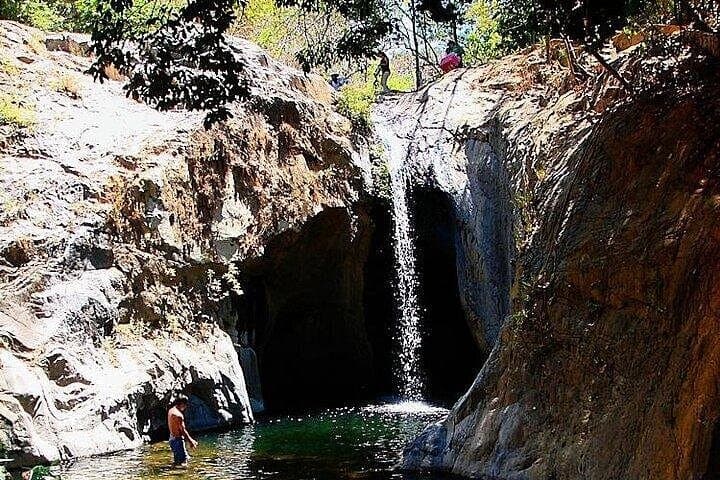
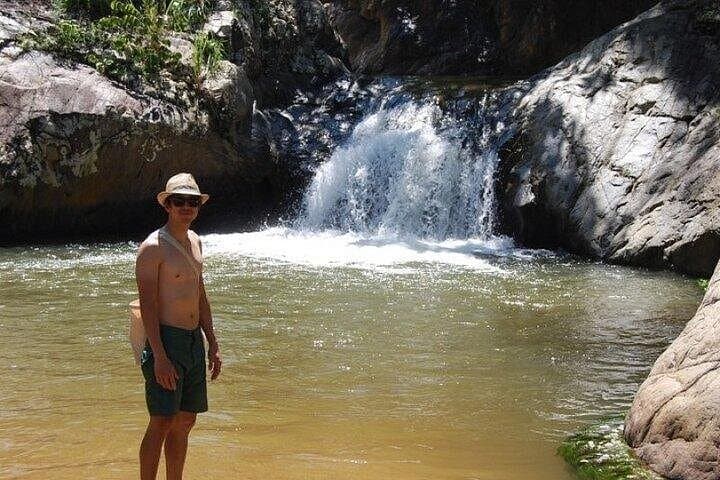
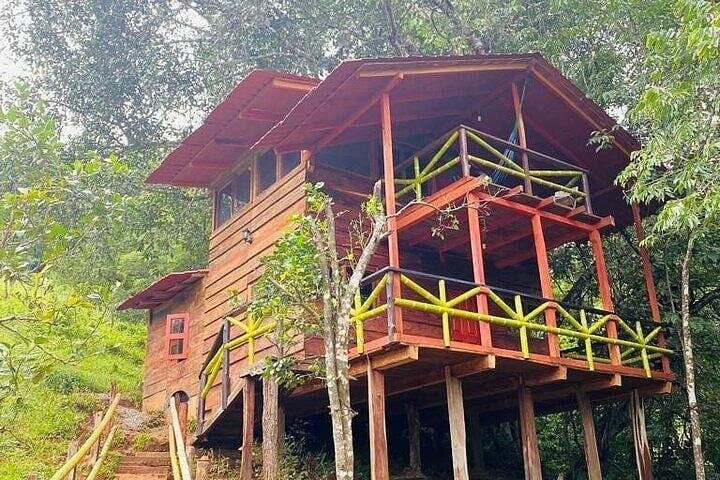
You leave Zihuatanejo before the heat builds, the coast shrinking behind you as the bus climbs into the Sierra de Guerrero. Pine and oak thicken; the road narrows and the sound of the world changes to wind through needles and the distant insistence of falling water. At Mesas de Bravo the falls announce themselves—cascades carving steps of rock, pools clear enough to read the stone beneath, and currents that dare you closer.
You leave Zihuatanejo before the heat builds, the coast shrinking behind you as the bus climbs into the Sierra de Guerrero. Pine and oak thicken; the road narrows and the sound of the world changes to wind through needles and the distant insistence of falling water. At Mesas de Bravo the falls announce themselves—cascades carving steps of rock, pools clear enough to read the stone beneath, and currents that dare you closer.
Geologically the Sierra de Guerrero is an outcrop of the larger Sierra Madre del Sur, where volcanic and metamorphic formations tilt and fracture to form steep ravines and natural basins. Culturally the route threads through small mountain communities where traditional cooking and stories about the land remain part of daily life; lunch in a nearby town often features regional staples and fresh local ingredients. Guides here know the microclimates, point out medicinal plants, and can explain how seasonal rains swell the falls.
Practically, expect a 4–5 hour excursion with short hikes over uneven, sometimes rocky terrain and opportunities to swim in natural pools. The tour includes air-conditioned transfers, bottled water, and a traditional lunch. Bring sturdy water shoes for slick rock, a towel, sunscreen, insect repellent, and a small dry bag for your phone. Aim for mornings for cooler air and fuller falls after rains; listen to your guide, stick to marked paths, and leave no trace. By afternoon you’ll be back toward the coast—mud on your shoes and the memory of a mountain river that pushed you forward.