THE ADVENTURE COLLECTIVE® · Independent discovery and booking for outdoor travel

Ride camels across shifting dunes, share a Berber meal by the campfire, and watch the Sahara’s silhouette sharpen at sunset. This Merzouga experience blends easy hiking and cultural exchange with desert camping.
Ride camels across shifting dunes, share a Berber meal by the campfire, and watch the Sahara’s silhouette sharpen at sunset. This Merzouga experience blends easy hiking and cultural exchange with desert camping.
The sun dips low and the dunes sharpen into a banded horizon; sand cools underfoot while a single cameline silhouette moves like a slow question across the ridge. This Merzouga desert experience centers on simple, tactile moments: the sway of a camel, the hush after sunset, the warmth of a shared dinner beneath a wide, star-dense sky.
Verified experiences and guided adventures in the surrounding area.
Operated by Visit Merzouga · Merzouga, Drâa-Tafilalet
The sun dips low and the dunes sharpen into a banded horizon; sand cools underfoot while a single cameline silhouette moves like a slow question across the ridge. This Merzouga desert experience centers on simple, tactile moments: the sway of a camel, the hush after sunset, the warmth of a shared dinner beneath a wide, star-dense sky.
Geology here is recent and restless—wind-carved erg dunes that migrate seasonally, sitting above older hamada plateaus and dry river channels that once channeled rare rain. Culturally, the route crosses Berber lands where oral histories and Gnawa music are as much navigation as they are hospitality; guides often trace family lineage to nomadic desert tribes who managed trans-Saharan routes for centuries.
Expect a small-group rhythm: meet in M’Hamid or Merzouga, transfer by 4x4 or mount a camel, cross mixed terrain—sand seas, rocky flats, tamarisk pockets—and reach camp in time for sunset. Evenings include a communal Moroccan meal, drumming, and simple tents that balance authenticity with comfort.
Practical edge: the heat stores in sand—plan early departures or late-afternoon starts, carry plentiful water, and use layered clothing for big diurnal swings. Footwear should manage loose sand and rocky approaches. Respect local customs: ask before photographing people and follow guides on sensitive dune routes to reduce erosion. By choosing operators who work with local communities and minimize vehicle impact, you support a tourism model that keeps the desert intact for generations.
This is an accessible desert immersion—less a climb than a slow, sensory passage through one of North Africa’s most elemental landscapes.
easy.
12 hours.
Suitable for most fitness levels—short camel rides and low-impact walking on sand; no sustained scrambling.
Yes; the itinerary is described as physically easy—camels and short walks—though operators may set age limits for safety; check specifics before booking.
No formal experience required; guides provide orientation, and routes follow established tracks, but be prepared for loose sand and sun exposure.
Many packages include an overnight in desert tents with dinner and breakfast—confirm your chosen option, as some offer only daytime transfers.
Most travelers arrive via a road transfer from nearby towns (Merzouga, Rissani, or Zagora) by private vehicle or arranged pickup through the operator.
The area sits along historic trans-Saharan routes used by Berber traders; local guides often inherit oral histories tied to camel caravans and seasonal migrations.
Choose operators that limit 4x4 crossings, avoid driving on sensitive dune crests, and support local communities to reduce environmental and cultural impact.
Visit Merzouga operates guided outdoor trips and adventures with an emphasis on safety, stewardship, and memorable experiences.
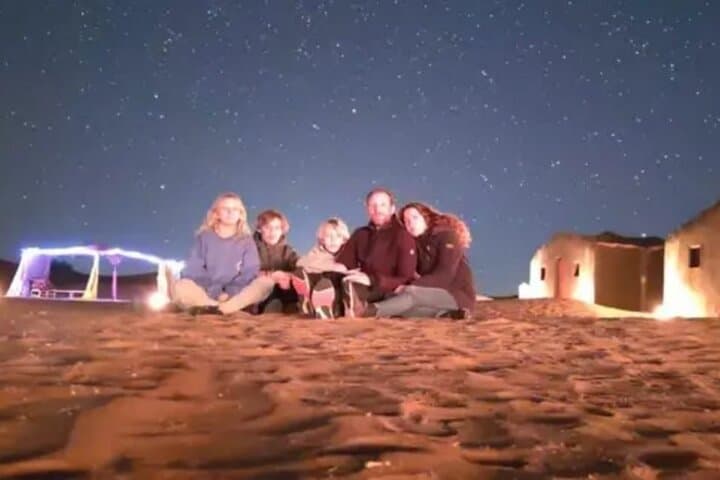
The sun dips low and the dunes sharpen into a banded horizon; sand cools underfoot while a single cameline silhouette moves like a slow question across the ridge. This Merzouga desert experience centers on simple, tactile moments: the sway of a camel, the hush after sunset, the warmth of a shared dinner beneath a wide, star-dense sky.
The sun dips low and the dunes sharpen into a banded horizon; sand cools underfoot while a single cameline silhouette moves like a slow question across the ridge. This Merzouga desert experience centers on simple, tactile moments: the sway of a camel, the hush after sunset, the warmth of a shared dinner beneath a wide, star-dense sky.
Geology here is recent and restless—wind-carved erg dunes that migrate seasonally, sitting above older hamada plateaus and dry river channels that once channeled rare rain. Culturally, the route crosses Berber lands where oral histories and Gnawa music are as much navigation as they are hospitality; guides often trace family lineage to nomadic desert tribes who managed trans-Saharan routes for centuries.
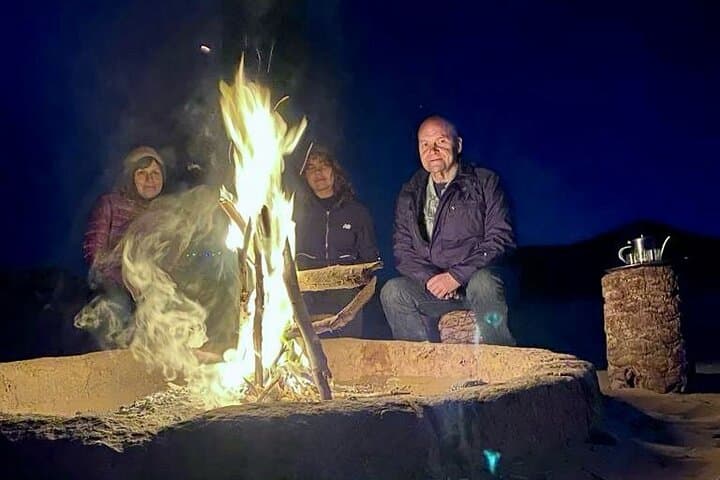
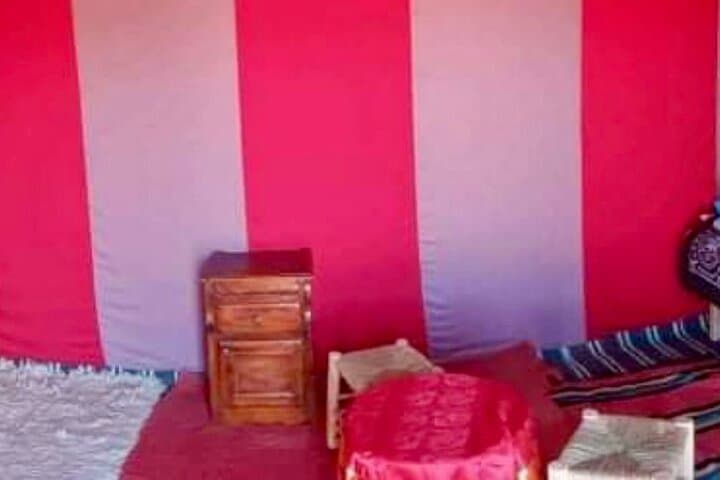
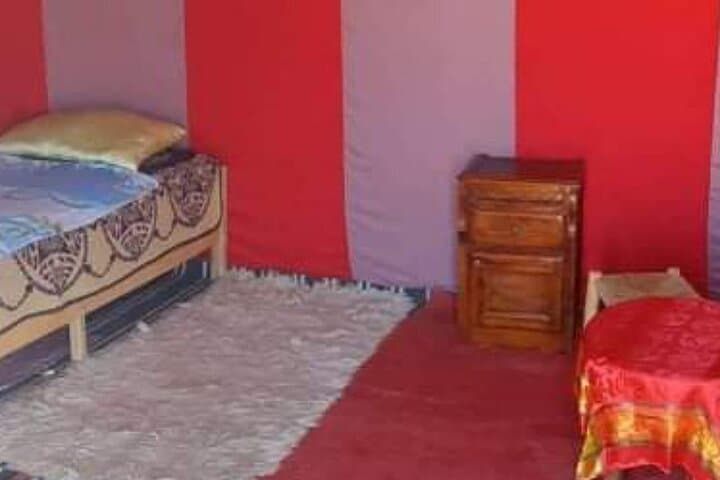
Expect a small-group rhythm: meet in M’Hamid or Merzouga, transfer by 4x4 or mount a camel, cross mixed terrain—sand seas, rocky flats, tamarisk pockets—and reach camp in time for sunset. Evenings include a communal Moroccan meal, drumming, and simple tents that balance authenticity with comfort.
Practical edge: the heat stores in sand—plan early departures or late-afternoon starts, carry plentiful water, and use layered clothing for big diurnal swings. Footwear should manage loose sand and rocky approaches. Respect local customs: ask before photographing people and follow guides on sensitive dune routes to reduce erosion. By choosing operators who work with local communities and minimize vehicle impact, you support a tourism model that keeps the desert intact for generations.
This is an accessible desert immersion—less a climb than a slow, sensory passage through one of North Africa’s most elemental landscapes.