THE ADVENTURE COLLECTIVE® · Independent discovery and booking for outdoor travel

Cross the High Atlas, ride camels across Erg Chebbi and sleep in a Berber desert camp on this six-day private tour from Marrakech. Expect dramatic gorges, UNESCO kasbahs and early-morning dune sunrises.
Cross the High Atlas, ride camels across Erg Chebbi and sleep in a Berber desert camp on this six-day private tour from Marrakech. Expect dramatic gorges, UNESCO kasbahs and early-morning dune sunrises.
A long, low sun pulls gold across the crests of Erg Chebbi as camels file like punctuation along the dune edge. You arrive at the camp with sand in your boots and a small caravan of stories — a guide, a tasselled saddle, and the soft thump of hooves that sets the evening rhythm.
Verified experiences and guided adventures in the surrounding area.
Operated by Discover Morocco Tours · Merzouga, Drâa-Tafilalet
A long, low sun pulls gold across the crests of Erg Chebbi as camels file like punctuation along the dune edge. You arrive at the camp with sand in your boots and a small caravan of stories — a guide, a tasselled saddle, and the soft thump of hooves that sets the evening rhythm.
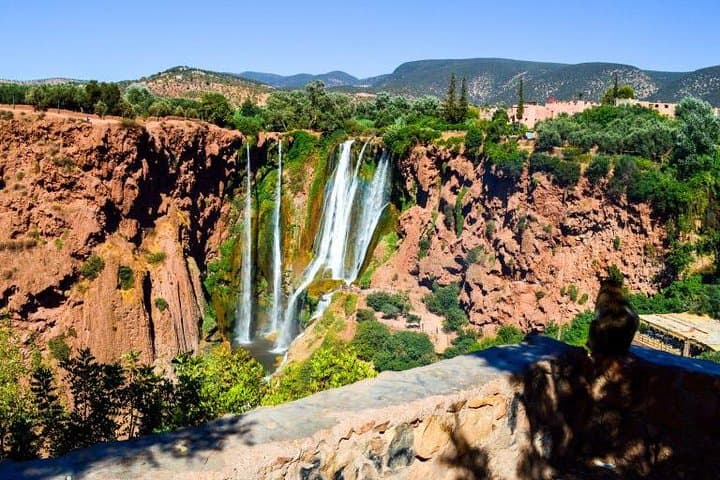
This six-day loop threads the High Atlas passes, the fortified kasbahs of Ait Ben Haddou, the gorge-carved walls of Todgha, the almond-scented Ziz Valley and the cedar forests near Ifrane before the bright drop of Ouzoud. Geologically, the dunes are wind-sculpted quartz and sandstone, piled over millennia as the Sahara edges north; the Atlas is folded limestone and volcanic ridges that force water into dramatic falls and narrow gorges.
Culturally, the route traces caravan and film routes — centuries of salt and spice trade, later used by Moroccan film crews — and visits living Berber communities where tents, tea ceremonies and evening music are central to hospitality.
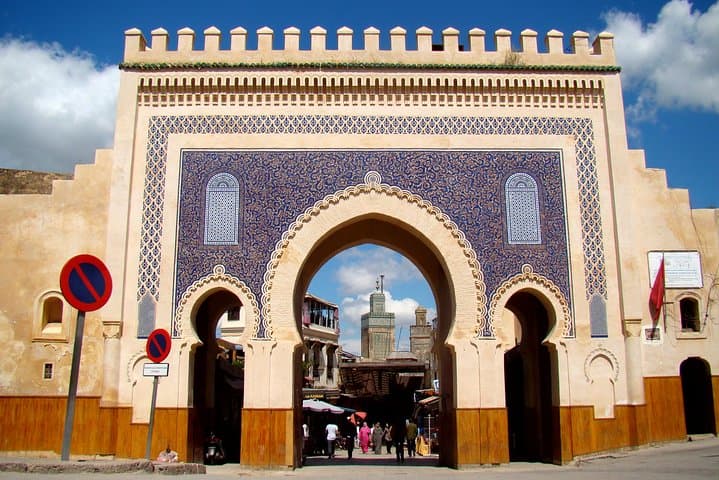
Practical guidance: plan early starts for heat management, carry at least 2–3 liters of water for dune sections, and expect a 1–1.5 hour camel ride to camp with short walks on soft sand. Wear sturdy closed-toe shoes for Todgha Gorge and tanneries in Fes, and pack layers: desert nights get cold. Bring cash for small purchases and tips; cell coverage is intermittent outside towns.
This itinerary balances easy driving days with immersive overnights — ideal for travelers wanting a compact, authentic taste of Morocco’s desert, mountains and medina life.
moderate.
6 days.
Basic cardiovascular fitness for short hikes, dune climbs and 1–1.5 hour camel treks; able to manage long vehicle days.
Typical camel treks from the hotel to the camp are about 1–1.5 hours each way, timed to reach the dunes for sunset or sunrise.
Accommodations range from standard hotels and riads to luxury Berber camps with private tents, shared facilities vary by camp selection.
The tour is family-friendly but camel rides and soft sand can be difficult for those with limited mobility; check with the operator about alternate transfers and assistance.
Breakfasts and several dinners are included per the itinerary; local guides and private transport are included but check specifics for optional extras and gratuities.
The route links caravan-era kasbahs and Roman ruins—Ait Ben Haddou guarded trade routes and Volubilis records Morocco’s Roman period influence.
Water is scarce across the region; favor refillable bottles, minimize campfire impact, and support local guides and community-run accommodations to keep tourism benefits local.
Discover Morocco Tours operates guided outdoor trips and adventures with an emphasis on safety, stewardship, and memorable experiences.
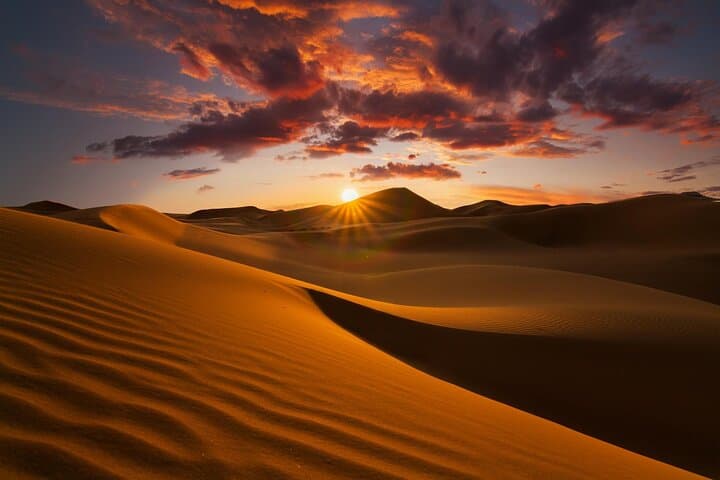
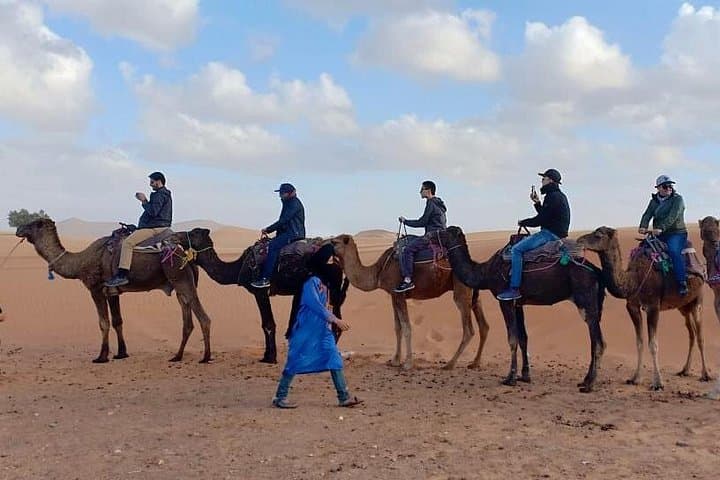
A long, low sun pulls gold across the crests of Erg Chebbi as camels file like punctuation along the dune edge. You arrive at the camp with sand in your boots and a small caravan of stories — a guide, a tasselled saddle, and the soft thump of hooves that sets the evening rhythm.
A long, low sun pulls gold across the crests of Erg Chebbi as camels file like punctuation along the dune edge. You arrive at the camp with sand in your boots and a small caravan of stories — a guide, a tasselled saddle, and the soft thump of hooves that sets the evening rhythm.
This six-day loop threads the High Atlas passes, the fortified kasbahs of Ait Ben Haddou, the gorge-carved walls of Todgha, the almond-scented Ziz Valley and the cedar forests near Ifrane before the bright drop of Ouzoud. Geologically, the dunes are wind-sculpted quartz and sandstone, piled over millennia as the Sahara edges north; the Atlas is folded limestone and volcanic ridges that force water into dramatic falls and narrow gorges.
Culturally, the route traces caravan and film routes — centuries of salt and spice trade, later used by Moroccan film crews — and visits living Berber communities where tents, tea ceremonies and evening music are central to hospitality.
Practical guidance: plan early starts for heat management, carry at least 2–3 liters of water for dune sections, and expect a 1–1.5 hour camel ride to camp with short walks on soft sand. Wear sturdy closed-toe shoes for Todgha Gorge and tanneries in Fes, and pack layers: desert nights get cold. Bring cash for small purchases and tips; cell coverage is intermittent outside towns.
This itinerary balances easy driving days with immersive overnights — ideal for travelers wanting a compact, authentic taste of Morocco’s desert, mountains and medina life.