THE ADVENTURE COLLECTIVE® · Independent discovery and booking for outdoor travel

Cross the High Atlas, trace kasbah-lined valleys and spend a night under the stars in Erg Chebbi. This private 3-day itinerary combines dramatic desert dunes, camel treks and authentic Berber hospitality.
Cross the High Atlas, trace kasbah-lined valleys and spend a night under the stars in Erg Chebbi. This private 3-day itinerary combines dramatic desert dunes, camel treks and authentic Berber hospitality.
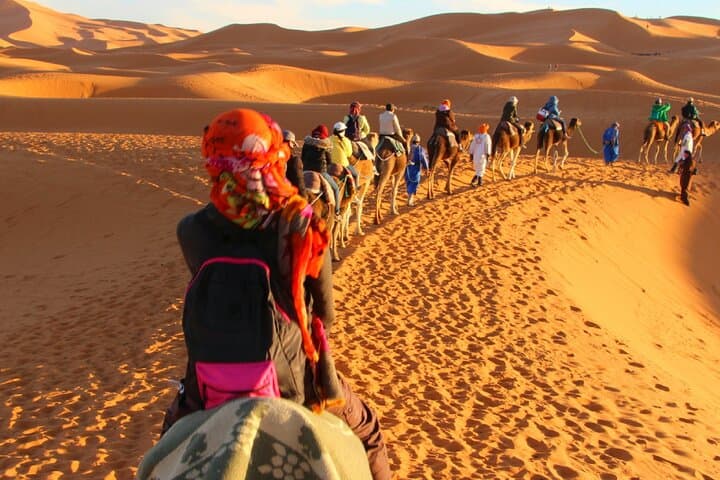
A low sun leans across a sea of ochre: sand ridges throw long shadows, wind-brushed crests seem to move as you approach. On this private three-day route you leave Marrakech’s ochre walls, climb the High Atlas via the Tizi n’Tichka pass (2,260 m) and descend into rocky plateaus before the dunes of Erg Chebbi rise like an orange wall on the horizon.
Verified experiences and guided adventures in the surrounding area.
Operated by Morocco Desert Trips · Merzouga, Drâa-Tafilalet
A low sun leans across a sea of ochre: sand ridges throw long shadows, wind-brushed crests seem to move as you approach. On this private three-day route you leave Marrakech’s ochre walls, climb the High Atlas via the Tizi n’Tichka pass (2,260 m) and descend into rocky plateaus before the dunes of Erg Chebbi rise like an orange wall on the horizon.
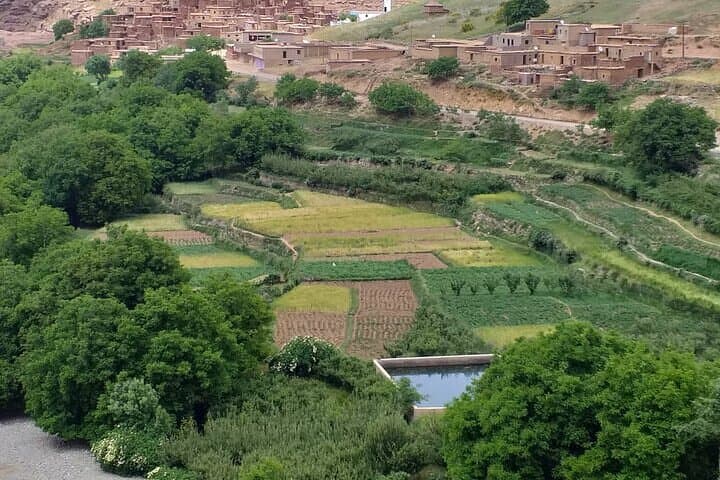
The landscape here is geological history in motion — wind-carved dunes that can reach 100–150 m, fossilized riverbeds and palm-lined oases that mark ancient watercourses. Cultural threads follow the roads: kasbahs built in rammed-earth, caravan-era caravanserais, and Berber families still making rosewater and argan oil in the valleys you pass.
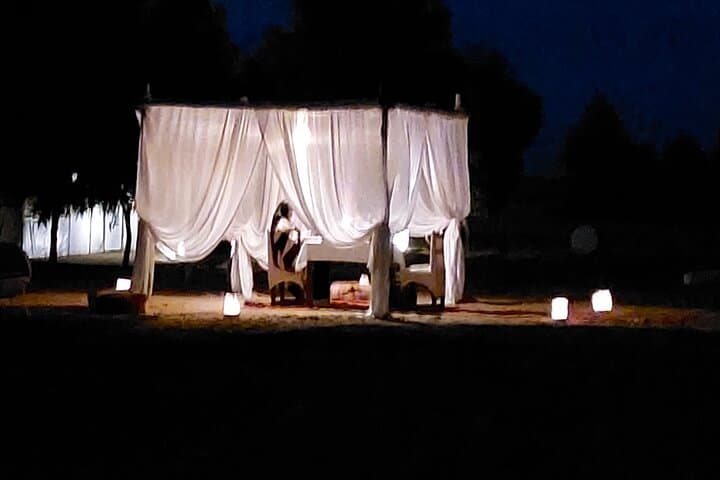
The tour mixes road miles with time on foot and camelback: expect a roughly 1.5-hour camel trek to a desert camp to arrive for sunset and an overnight in a traditional nomad-style tent under wide skies. Nights are cold and clear; stars feel immediate. Days bring strong sun and variable winds that sculpt the dunes daily.
Practical edge: pack layered clothing, a brimmed hat, high-SPF sunscreen, and at least 2–3 liters of water per day. Cash is useful in small towns; phone reception is intermittent around Merzouga. For best light and cooler walking, schedule dune visits at sunrise or late afternoon. This trip balances long scenic drives, short hikes and cultural stops — it’s immersive without being technical, an accessible way to experience the Sahara’s scale and silence.
moderate.
3 days.
Light to moderate fitness; comfortable sitting for long drives, short hikes and a 1–2 hour camel ride.
The camel trek is typically about 1–1.5 hours each way, timed to reach camp for sunset or sunrise.
No technical fitness is required; expect long transfers by vehicle, short walks, and the camel ride — suitable for most travelers in normal health.
Bring warm layers, a hat and closed shoes — desert nights are cool and camps may be breezy.
Reception is intermittent around Merzouga and at remote camps; some camps offer basic Wi‑Fi but plan for limited connectivity.
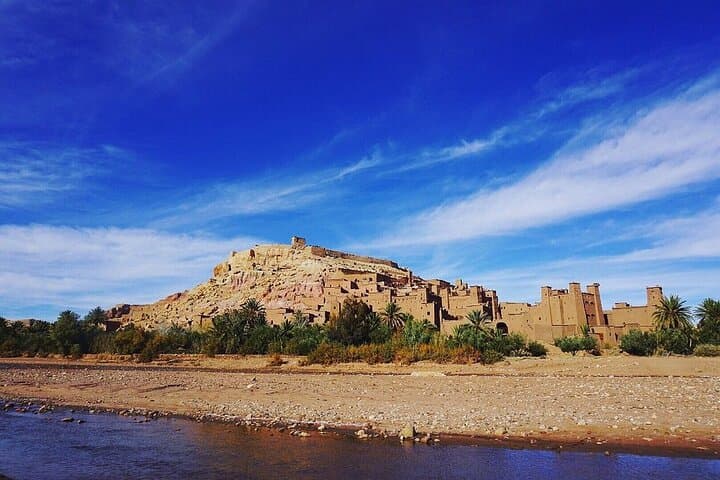
This route traces ancient caravan corridors between Marrakech and the Sahara; Ait Ben Haddou is a UNESCO-listed kasbah used as a filming location and historical trade post.
Respect dune habitats by staying on established routes and camps; water is scarce — minimize use, pack out trash, and support local guides and cooperatives.
Morocco Desert Trips operates guided outdoor trips and adventures with an emphasis on safety, stewardship, and memorable experiences.
A low sun leans across a sea of ochre: sand ridges throw long shadows, wind-brushed crests seem to move as you approach. On this private three-day route you leave Marrakech’s ochre walls, climb the High Atlas via the Tizi n’Tichka pass (2,260 m) and descend into rocky plateaus before the dunes of Erg Chebbi rise like an orange wall on the horizon.
A low sun leans across a sea of ochre: sand ridges throw long shadows, wind-brushed crests seem to move as you approach. On this private three-day route you leave Marrakech’s ochre walls, climb the High Atlas via the Tizi n’Tichka pass (2,260 m) and descend into rocky plateaus before the dunes of Erg Chebbi rise like an orange wall on the horizon.
The landscape here is geological history in motion — wind-carved dunes that can reach 100–150 m, fossilized riverbeds and palm-lined oases that mark ancient watercourses. Cultural threads follow the roads: kasbahs built in rammed-earth, caravan-era caravanserais, and Berber families still making rosewater and argan oil in the valleys you pass.
The tour mixes road miles with time on foot and camelback: expect a roughly 1.5-hour camel trek to a desert camp to arrive for sunset and an overnight in a traditional nomad-style tent under wide skies. Nights are cold and clear; stars feel immediate. Days bring strong sun and variable winds that sculpt the dunes daily.
Practical edge: pack layered clothing, a brimmed hat, high-SPF sunscreen, and at least 2–3 liters of water per day. Cash is useful in small towns; phone reception is intermittent around Merzouga. For best light and cooler walking, schedule dune visits at sunrise or late afternoon. This trip balances long scenic drives, short hikes and cultural stops — it’s immersive without being technical, an accessible way to experience the Sahara’s scale and silence.