THE ADVENTURE COLLECTIVE® · Independent discovery and booking for outdoor travel

Three-day overland from Marrakech to Merzouga combines High Atlas passes, kasbah landscapes and an Erg Chebbi camel trek with an overnight desert camp. Expect long drives, dramatic gorges and a star-filled Saharan night.
Three-day overland from Marrakech to Merzouga combines High Atlas passes, kasbah landscapes and an Erg Chebbi camel trek with an overnight desert camp. Expect long drives, dramatic gorges and a star-filled Saharan night.
You leave Marrakech before dawn and the High Atlas tightens around the road, the pass of Tizi n’Tichka pushing wind and stone against the bus windows. The landscape relaxes into ochre kasbahs and palm oases; by night two nights later you’ll be under a vast, star-heavier sky, camped on the eastern edge of Erg Chebbi.
Verified experiences and guided adventures in the surrounding area.
Operated by Direct Morocco Heart · Merzouga, Drâa-Tafilalet
You leave Marrakech before dawn and the High Atlas tightens around the road, the pass of Tizi n’Tichka pushing wind and stone against the bus windows. The landscape relaxes into ochre kasbahs and palm oases; by night two nights later you’ll be under a vast, star-heavier sky, camped on the eastern edge of Erg Chebbi.
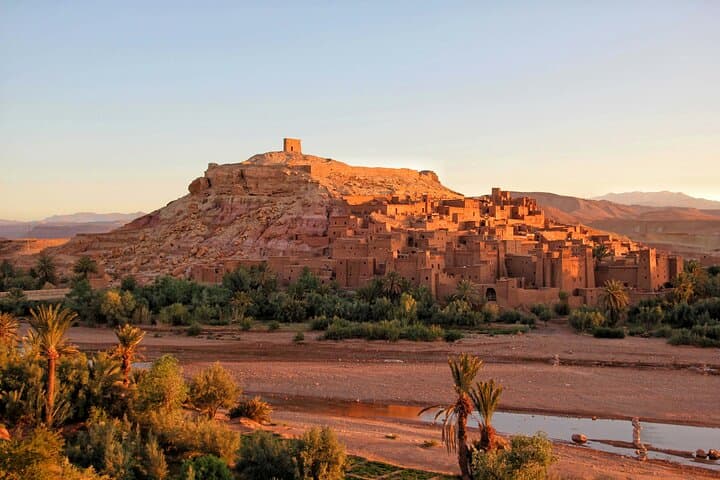
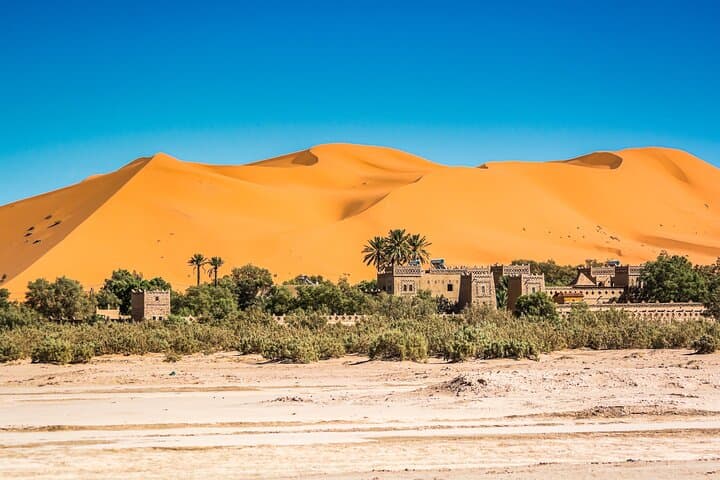
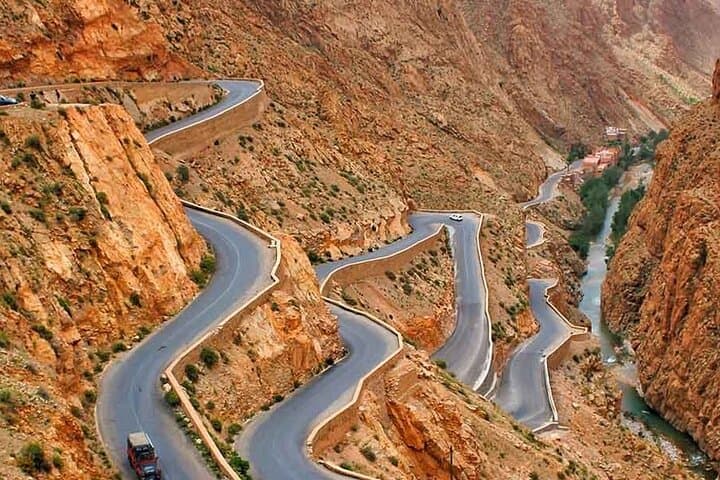
This route follows old caravan corridors: kasbah-built towns like Ait Ben Haddou and the Valley of a Thousand Kasbahs recall the muddied architecture of trans-Saharan trade, while Todra and Dades gorges expose layers of Jurassic and Cretaceous sandstone carved into narrow cliffs. The dunes of Merzouga are soft wind-sculpted silhouettes of quartz and gypsum, moving slowly across the desert floor.
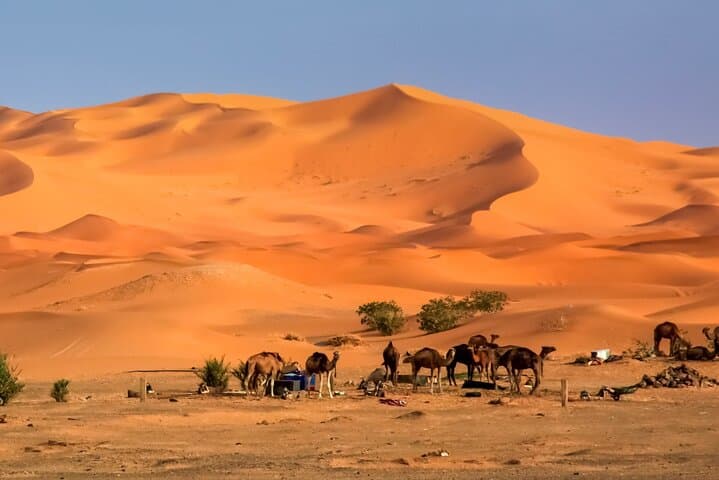
Culturally the tour threads Berber villages, Rissani’s market rhythms and Gnawa music around campfires; camel caravans still mark the practical continuity between town and sand. Expect long driving stretches broken by short hikes, kasbah visits and a 1.5-hour camel trek to an ergonomically positioned desert camp where local musicians play and simple dinners are served.
Practical guidance: bring sun protection, layered warm clothes for cold desert nights, at least 2–3 liters of water per day, and sturdy shoes for rocky gorges. If you intend to climb dunes for sunrise, allow 20–40 minutes each way and watch for loose sand. The trip is suitable for most fitness levels but includes prolonged vehicle time and brief, uneven walking. Plan for early mornings, limited phone signal in the dunes, and a leave-no-trace approach to sleep under one of North Africa’s clearest skies.
moderate.
3 days.
Suitable for travelers in average fitness; involves long vehicle transfers, short hikes, and a 1.5-hour camel trek over sand requiring balance and stamina.
The typical camel trek with this itinerary is about 1.5 hours each way to the desert camp—enough to reach prime dune viewpoints for sunset and sunrise.
Yes. Nights include a hotel/riad the first night, then a traditional desert tent camp with simple sleeping arrangements, dinner and breakfast provided.
The tour is listed as suitable for most fitness levels, but camel mounting and walking on sand can be challenging—call ahead about alternatives if mobility is limited.
Bring a basic first-aid kit, motion-sickness remedies for winding mountain roads, and ensure you have travel insurance; drinking water is provided but bring extra if you’re sensitive to heat.
The route traces centuries of caravan trade across the High Atlas and Sahara; towns like Rissani and Ait Ben Haddou grew as commercial and cultural crossroads.
Erg Chebbi’s dunes are sensitive to trampling and overuse; stick to established camel tracks, minimize campfire impact, and pack out waste to protect scarce desert water sources.
Direct Morocco Heart operates guided outdoor trips and adventures with an emphasis on safety, stewardship, and memorable experiences.
You leave Marrakech before dawn and the High Atlas tightens around the road, the pass of Tizi n’Tichka pushing wind and stone against the bus windows. The landscape relaxes into ochre kasbahs and palm oases; by night two nights later you’ll be under a vast, star-heavier sky, camped on the eastern edge of Erg Chebbi.
You leave Marrakech before dawn and the High Atlas tightens around the road, the pass of Tizi n’Tichka pushing wind and stone against the bus windows. The landscape relaxes into ochre kasbahs and palm oases; by night two nights later you’ll be under a vast, star-heavier sky, camped on the eastern edge of Erg Chebbi.
This route follows old caravan corridors: kasbah-built towns like Ait Ben Haddou and the Valley of a Thousand Kasbahs recall the muddied architecture of trans-Saharan trade, while Todra and Dades gorges expose layers of Jurassic and Cretaceous sandstone carved into narrow cliffs. The dunes of Merzouga are soft wind-sculpted silhouettes of quartz and gypsum, moving slowly across the desert floor.
Culturally the tour threads Berber villages, Rissani’s market rhythms and Gnawa music around campfires; camel caravans still mark the practical continuity between town and sand. Expect long driving stretches broken by short hikes, kasbah visits and a 1.5-hour camel trek to an ergonomically positioned desert camp where local musicians play and simple dinners are served.
Practical guidance: bring sun protection, layered warm clothes for cold desert nights, at least 2–3 liters of water per day, and sturdy shoes for rocky gorges. If you intend to climb dunes for sunrise, allow 20–40 minutes each way and watch for loose sand. The trip is suitable for most fitness levels but includes prolonged vehicle time and brief, uneven walking. Plan for early mornings, limited phone signal in the dunes, and a leave-no-trace approach to sleep under one of North Africa’s clearest skies.