THE ADVENTURE COLLECTIVE® · Independent discovery and booking for outdoor travel

Ride a camel into Erg Chebbi, sleep in a traditional Berber camp, and watch the dunes glow at sunset and sunrise. This 48‑hour desert safari pairs slow-paced exploration with hands-on desert activities like sandsurfing and campfire music.
Ride a camel into Erg Chebbi, sleep in a traditional Berber camp, and watch the dunes glow at sunset and sunrise. This 48‑hour desert safari pairs slow-paced exploration with hands-on desert activities like sandsurfing and campfire music.
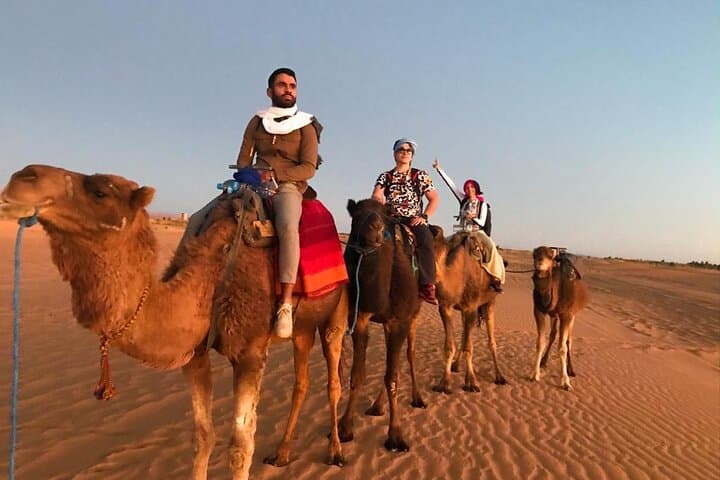
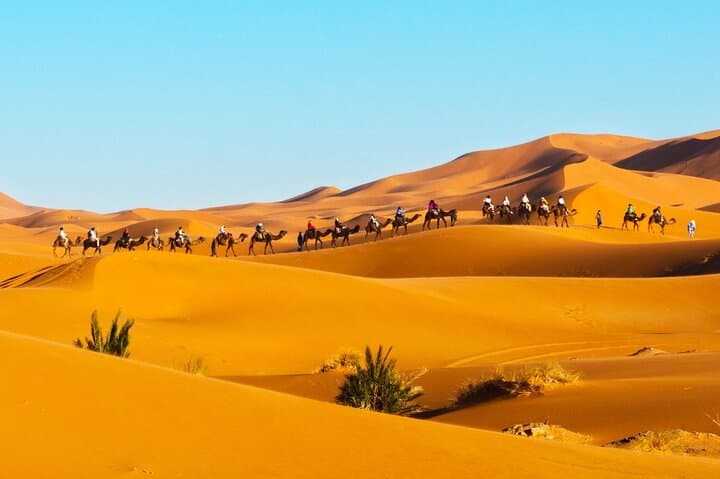
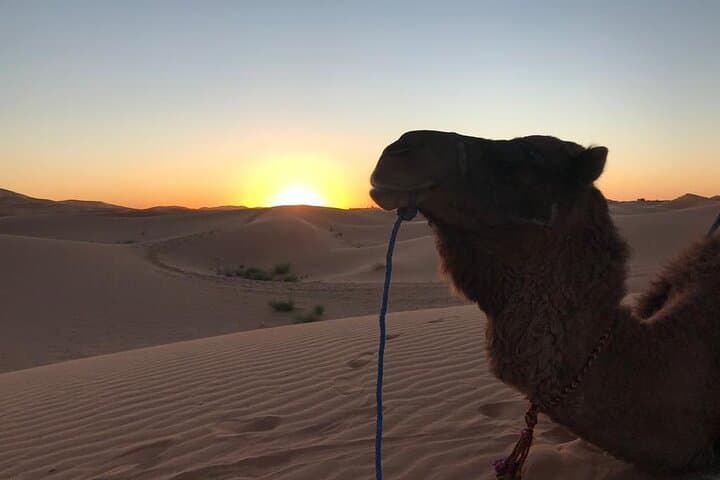
The caravan moves in slow, deliberate rhythm: soft hoofbeats sink into warm sand as the sun leans toward the horizon. Riding a dromedary across Erg Chebbi’s rippled slopes, travelers watch shadows spread across a sea of gold while wind-carved ridges change shape minute by minute.
Verified experiences and guided adventures in the surrounding area.
Operated by Merzouga Experience · Merzouga, Drâa-Tafilalet
The caravan moves in slow, deliberate rhythm: soft hoofbeats sink into warm sand as the sun leans toward the horizon. Riding a dromedary across Erg Chebbi’s rippled slopes, travelers watch shadows spread across a sea of gold while wind-carved ridges change shape minute by minute.
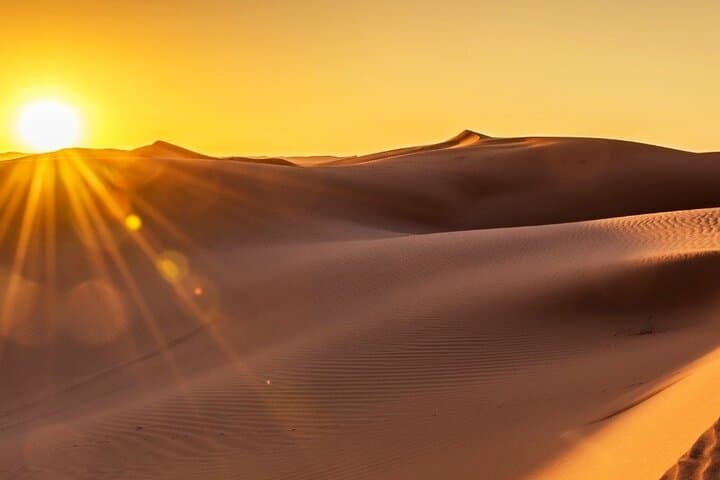
Erg Chebbi is one of Morocco’s largest dune seas, dunes commonly rising to around 150 meters above the plain and composed of sand blown from the Sahara over millennia. The Merzouga area has long been inhabited by Amazigh (Berber) communities whose seasonal movements and salt-trade routes shaped local culture; tonight’s campfire music and tagine supper carry that history forward.
Expect a 1–2 hour camel ride from the desert edge into camp, with time to try sandboarding on steeper faces. Nights are starkly different—daytime heat gives way to clear, cold air and an immense star field. Camp stays are in traditional Berber-style tents with bedding provided; meals typically include harira and tagine cooked over coals.
Practical notes: bring sun protection, at least 1–2 liters of water per person for daytime movement, and warm layers for nights that can drop below 5°C. Footwear should be sturdy and closed-toe for dunes and vehicle transfers. Plan travel logistics to/from Merzouga or Rissani; transfers are usually provided from nearby towns. Aim for late afternoon arrival to catch sunset and rise early for sunrise—the dunes read differently at both moments. For comfort, notify hosts of any mobility or health concerns ahead of booking.
moderate.
48 hours (approximately).
Participants should have moderate fitness—able to mount/dismount camels and walk short stretches on loose sand.
Typically 1–2 hours each way depending on the camp location; guides set a steady pace suitable for most riders.
Tents are traditional Berber-style with bedding provided; they are basic but insulated—bring a warm layer for cold nights.
Sandboarding or 'sandsurf' is usually offered as an optional activity at the dunes and may be included depending on the tour package.
Most healthy travelers can participate, but the tour is not recommended for pregnant travelers or those with serious back or heart conditions—check booking health restrictions.
Merzouga sits on routes used by Amazigh peoples and caravans; the dune field formed as Saharan sands migrated and accumulated over centuries.
Stay on established paths, avoid disturbing wildlife or cultural sites, and pack out waste—water is scarce and local communities prioritize preservation of the fragile dune ecosystem.
Merzouga Experience operates guided outdoor trips and adventures with an emphasis on safety, stewardship, and memorable experiences.
The caravan moves in slow, deliberate rhythm: soft hoofbeats sink into warm sand as the sun leans toward the horizon. Riding a dromedary across Erg Chebbi’s rippled slopes, travelers watch shadows spread across a sea of gold while wind-carved ridges change shape minute by minute.
The caravan moves in slow, deliberate rhythm: soft hoofbeats sink into warm sand as the sun leans toward the horizon. Riding a dromedary across Erg Chebbi’s rippled slopes, travelers watch shadows spread across a sea of gold while wind-carved ridges change shape minute by minute.
Erg Chebbi is one of Morocco’s largest dune seas, dunes commonly rising to around 150 meters above the plain and composed of sand blown from the Sahara over millennia. The Merzouga area has long been inhabited by Amazigh (Berber) communities whose seasonal movements and salt-trade routes shaped local culture; tonight’s campfire music and tagine supper carry that history forward.
Expect a 1–2 hour camel ride from the desert edge into camp, with time to try sandboarding on steeper faces. Nights are starkly different—daytime heat gives way to clear, cold air and an immense star field. Camp stays are in traditional Berber-style tents with bedding provided; meals typically include harira and tagine cooked over coals.
Practical notes: bring sun protection, at least 1–2 liters of water per person for daytime movement, and warm layers for nights that can drop below 5°C. Footwear should be sturdy and closed-toe for dunes and vehicle transfers. Plan travel logistics to/from Merzouga or Rissani; transfers are usually provided from nearby towns. Aim for late afternoon arrival to catch sunset and rise early for sunrise—the dunes read differently at both moments. For comfort, notify hosts of any mobility or health concerns ahead of booking.