THE ADVENTURE COLLECTIVE® · Independent discovery and booking for outdoor travel

Travel from Marrakech across the High Atlas to Erg Chebbi on this three-day tour that pairs UNESCO-listed kasbahs with camel treks, nomad campfires, and dawn over the Sahara. Practical, scenic, and culturally rich—ideal for travelers who want a compact desert immersion.
Travel from Marrakech across the High Atlas to Erg Chebbi on this three-day tour that pairs UNESCO-listed kasbahs with camel treks, nomad campfires, and dawn over the Sahara. Practical, scenic, and culturally rich—ideal for travelers who want a compact desert immersion.
You leave Marrakech before dawn and the High Atlas rises like a wall, its passes carving the light into pockets of gold. The road climbs to Tizi n’Tichka, then rolls past ochre kasbahs and the rose-scented villages of the Dades Valley until the dunes of Erg Chebbi appear on the horizon, moving with the wind as if to greet you.
Verified experiences and guided adventures in the surrounding area.
Operated by Merzouga Experience · Merzouga, Drâa-Tafilalet
You leave Marrakech before dawn and the High Atlas rises like a wall, its passes carving the light into pockets of gold. The road climbs to Tizi n’Tichka, then rolls past ochre kasbahs and the rose-scented villages of the Dades Valley until the dunes of Erg Chebbi appear on the horizon, moving with the wind as if to greet you.
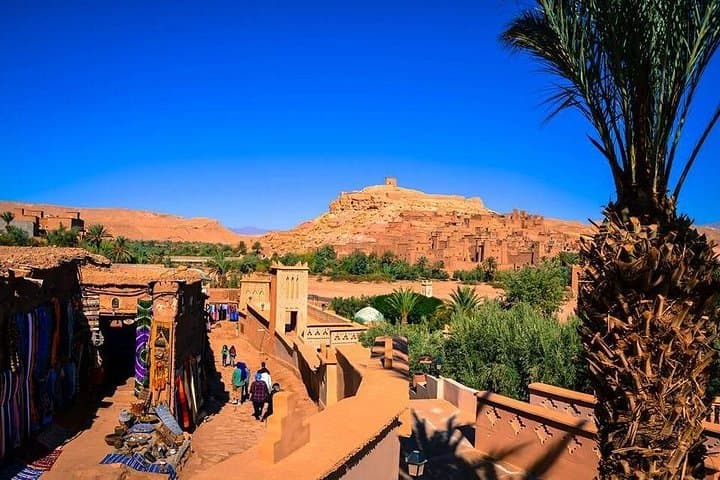
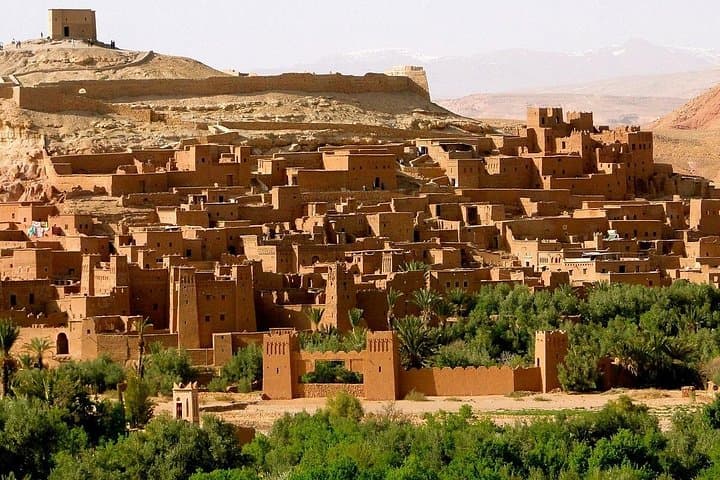
The trip stitches together Morocco’s history: Ait Ben Haddou’s earthen towers recall caravan routes and film crews; Todgha’s narrow gorges bear fossilized riverbeds; Rissani’s markets still hum like a crossroads of centuries. Geologically, Erg Chebbi is wind-built—sand seas that shift daily, exposing fossil-rich flats around Erfoud and stony hammada between towns.
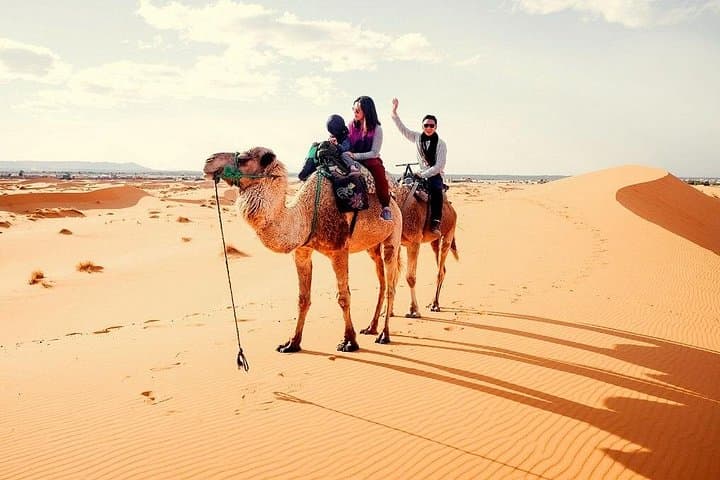
Cultural notes are immediate and human: Berber hospitality in riads, shared tagines at dusk, and nomad drummers beneath an enormous sky. The camel caravan is practical transport and ritual—expect slow, rhythmic movement and basic riding posture rather than comfort.
Practical guidance: pack layers for cold desert nights, protect skin and eyes from sun and sand, and allow time for the long drives—each day includes several hours in an A/C vehicle. Nights in a desert camp are simple but safe; shower and pool access may be available at a nearby lodge before the camel ride. Bring small bills for local guides and tips.
This three-day circuit is experiential travel: long drives, short hikes, giant dunes and quiet stars. It rewards patience and curiosity—arrive prepared, and the Sahara will show itself without pretense.
moderate.
3 days (approx. 72 hours).
Suitable for travelers in average physical condition; requires stamina for long vehicle days and basic balance for camel rides.
Expect several multi-hour drives each day between Marrakech, Ait Ben Haddou, Dades/Todra, and Merzouga; plan for rest stops and photo breaks.
Yes; camel treks are slow and guided. Inform staff of mobility issues and follow handlers’ instructions for mounting and dismounting.
Overnight stays combine local riads and a desert camp with basic tents, mattresses, communal dining, and often shared sanitary facilities; some camps offer shower access at a nearby lodge.
Generally yes for school-age children used to long drives; parents should prepare for sand, sun, and limited facilities in the desert camp.
The route follows ancient trans-Saharan caravan corridors; Ait Ben Haddou was a fortified stop on trading paths and later a film location that brought renewed attention to traditional earthen architecture.
Tour operators are increasingly limiting camp footprint and promoting waste removal; visitors should avoid disturbing vegetation, pack out trash, and use reusable water containers when possible.
Merzouga Experience operates guided outdoor trips and adventures with an emphasis on safety, stewardship, and memorable experiences.
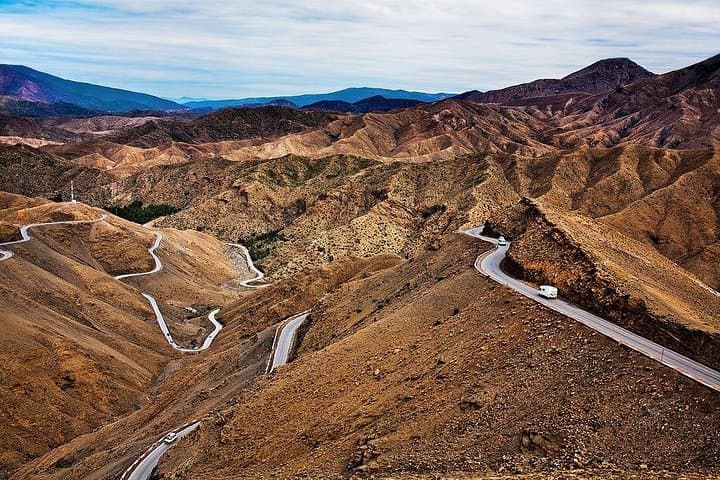
You leave Marrakech before dawn and the High Atlas rises like a wall, its passes carving the light into pockets of gold. The road climbs to Tizi n’Tichka, then rolls past ochre kasbahs and the rose-scented villages of the Dades Valley until the dunes of Erg Chebbi appear on the horizon, moving with the wind as if to greet you.
You leave Marrakech before dawn and the High Atlas rises like a wall, its passes carving the light into pockets of gold. The road climbs to Tizi n’Tichka, then rolls past ochre kasbahs and the rose-scented villages of the Dades Valley until the dunes of Erg Chebbi appear on the horizon, moving with the wind as if to greet you.
The trip stitches together Morocco’s history: Ait Ben Haddou’s earthen towers recall caravan routes and film crews; Todgha’s narrow gorges bear fossilized riverbeds; Rissani’s markets still hum like a crossroads of centuries. Geologically, Erg Chebbi is wind-built—sand seas that shift daily, exposing fossil-rich flats around Erfoud and stony hammada between towns.
Cultural notes are immediate and human: Berber hospitality in riads, shared tagines at dusk, and nomad drummers beneath an enormous sky. The camel caravan is practical transport and ritual—expect slow, rhythmic movement and basic riding posture rather than comfort.
Practical guidance: pack layers for cold desert nights, protect skin and eyes from sun and sand, and allow time for the long drives—each day includes several hours in an A/C vehicle. Nights in a desert camp are simple but safe; shower and pool access may be available at a nearby lodge before the camel ride. Bring small bills for local guides and tips.
This three-day circuit is experiential travel: long drives, short hikes, giant dunes and quiet stars. It rewards patience and curiosity—arrive prepared, and the Sahara will show itself without pretense.