THE ADVENTURE COLLECTIVE® · Independent discovery and booking for outdoor travel

Drive the High Atlas to Erg Chebbi on a compact three-day circuit from Marrakech that mixes kasbahs, gorges and a camel-led approach to a luxury desert camp. Expect long drives, dramatic light at sunrise, and a hands-on taste of Saharan life.
Drive the High Atlas to Erg Chebbi on a compact three-day circuit from Marrakech that mixes kasbahs, gorges and a camel-led approach to a luxury desert camp. Expect long drives, dramatic light at sunrise, and a hands-on taste of Saharan life.
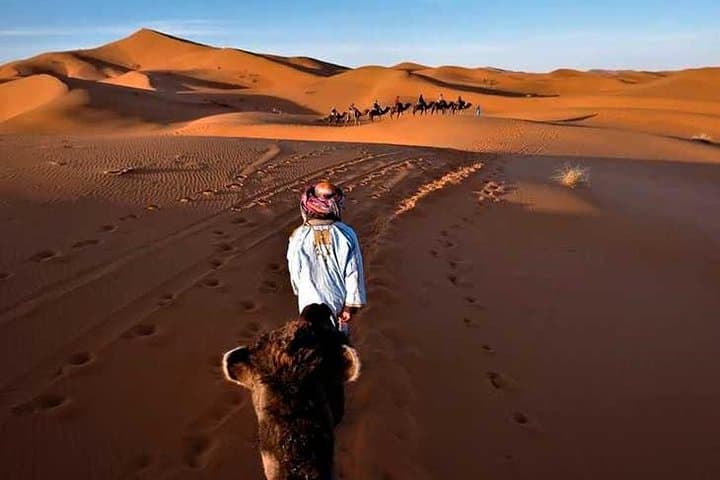
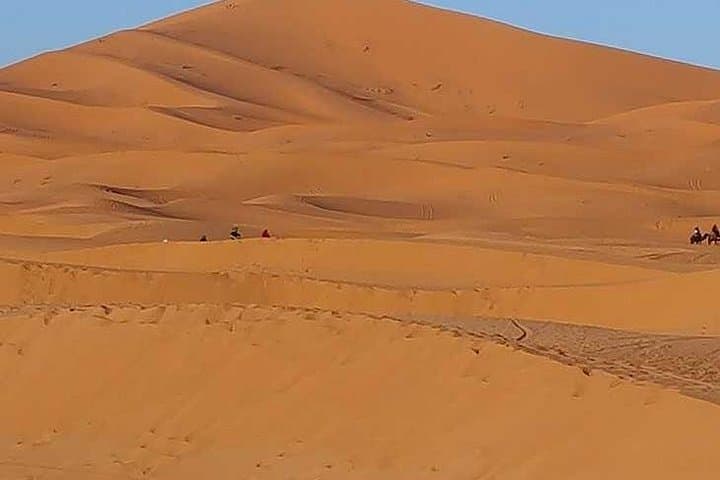
Dawn on the highway out of Marrakech feels like a slow exhale: the Atlas Mountains rise, red and sharp, then fold into ochre plateaus that push travelers toward the sand. By late afternoon the road opens to Erg Chebbi, a field of towering dunes that shift with each wind—an immediate, tactile geography that dares you to climb.
Verified experiences and guided adventures in the surrounding area.
Operated by Morocco Travel Desert Tours · Merzouga, Drâa-Tafilalet
Dawn on the highway out of Marrakech feels like a slow exhale: the Atlas Mountains rise, red and sharp, then fold into ochre plateaus that push travelers toward the sand. By late afternoon the road opens to Erg Chebbi, a field of towering dunes that shift with each wind—an immediate, tactile geography that dares you to climb.
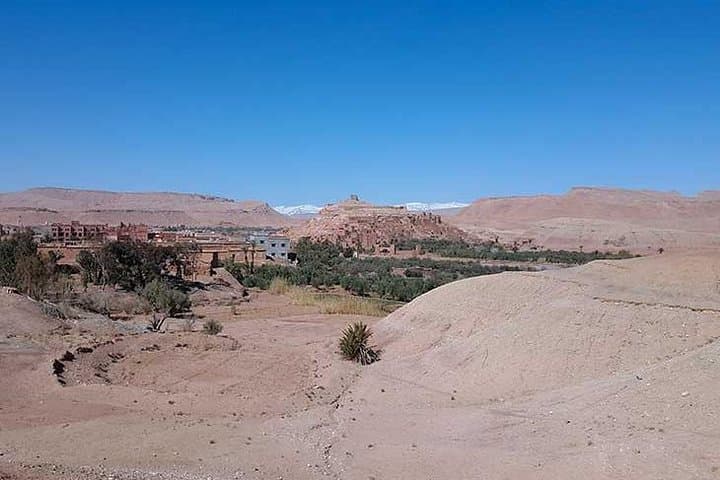
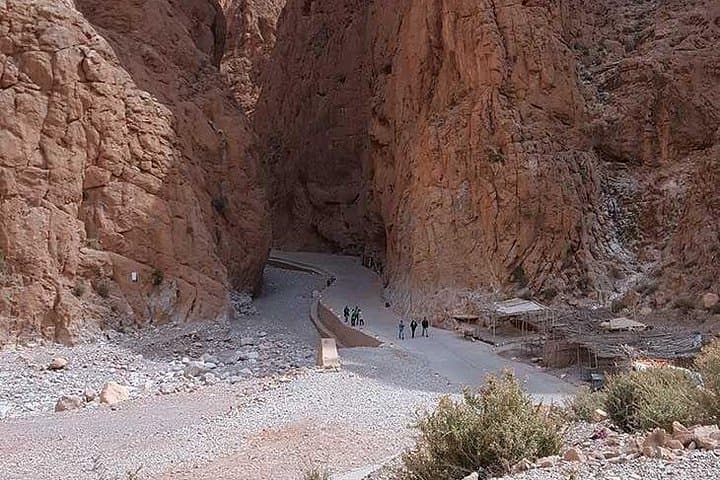
The route threads history and geology. Caravans once moved through these corridors between Saharan oases; Ait Ben Haddou stands as a clay-brick remnant of that trade, a UNESCO site where kasbahs guard film sets and memory. The High Atlas are ancient tectonic scars; the Dades and Todra gorges cut into Jurassic limestone, offering abrupt cliffs and palm-filled valleys that contrast with the soft, rippling dunes of Merzouga.
Culture in this region is Berber and nomadic, expressed in roadside ksars, rose-lined towns, and the ritual of tea. Nights in a luxury desert camp translate that culture into comfort—Berber tents, shared meals, and a sky so clear the Milky Way reads like a map. Camel treks are practical travel here: slow, rhythmic, and the only way to approach deep sand without a vehicle.
Practical guidance: expect long driving days between Marrakech and Merzouga (roughly 9–10 hours one way with stops), pack layers for hot days and cold desert nights, and bring sturdy footwear for dune climbs. Hydrate deliberately: sand and sun amplify exertion. For photographers, sunrise and early evening deliver the richest light and coolest sand for walking. This tour balances cultural stops, canyon scenery, and a genuine desert night under the stars—accessible for travelers of most fitness levels who want a compact Saharan experience.
easy.
3 days (approx. 72 hours, including drives).
Light to moderate — suitable for travelers able to handle long vehicle transfers, short dune hikes, and camel rides.
Expect roughly 9–10 hours one way including scheduled stops for Ait Ben Haddou, Ouarzazate, and canyon viewpoints.
Yes—luxury camps typically provide insulated tents, mattresses, blankets, and shared ablution facilities; standards vary, so check specifics before booking.
Camels are steady but riding involves mounting/dismounting and balancing; most people find short treks manageable, though not ideal for severe back problems.
Local operators usually can handle dietary requests with prior notice—declare allergies and preferences at booking to ensure proper arrangements.
The route follows ancient caravan paths linking Saharan oases to Moroccan trade centers; Ait Ben Haddou marks a historic crossroads and film location.
Water use and campsite impacts are local concerns; choose operators practicing waste reduction, stay on designated tracks, and avoid disturbing vegetation or archaeological sites.
Morocco Travel Desert Tours operates guided outdoor trips and adventures with an emphasis on safety, stewardship, and memorable experiences.
Dawn on the highway out of Marrakech feels like a slow exhale: the Atlas Mountains rise, red and sharp, then fold into ochre plateaus that push travelers toward the sand. By late afternoon the road opens to Erg Chebbi, a field of towering dunes that shift with each wind—an immediate, tactile geography that dares you to climb.
Dawn on the highway out of Marrakech feels like a slow exhale: the Atlas Mountains rise, red and sharp, then fold into ochre plateaus that push travelers toward the sand. By late afternoon the road opens to Erg Chebbi, a field of towering dunes that shift with each wind—an immediate, tactile geography that dares you to climb.
The route threads history and geology. Caravans once moved through these corridors between Saharan oases; Ait Ben Haddou stands as a clay-brick remnant of that trade, a UNESCO site where kasbahs guard film sets and memory. The High Atlas are ancient tectonic scars; the Dades and Todra gorges cut into Jurassic limestone, offering abrupt cliffs and palm-filled valleys that contrast with the soft, rippling dunes of Merzouga.
Culture in this region is Berber and nomadic, expressed in roadside ksars, rose-lined towns, and the ritual of tea. Nights in a luxury desert camp translate that culture into comfort—Berber tents, shared meals, and a sky so clear the Milky Way reads like a map. Camel treks are practical travel here: slow, rhythmic, and the only way to approach deep sand without a vehicle.
Practical guidance: expect long driving days between Marrakech and Merzouga (roughly 9–10 hours one way with stops), pack layers for hot days and cold desert nights, and bring sturdy footwear for dune climbs. Hydrate deliberately: sand and sun amplify exertion. For photographers, sunrise and early evening deliver the richest light and coolest sand for walking. This tour balances cultural stops, canyon scenery, and a genuine desert night under the stars—accessible for travelers of most fitness levels who want a compact Saharan experience.