THE ADVENTURE COLLECTIVE® · Independent discovery and booking for outdoor travel

Two hours at Noosa Main Beach introduces beginners to surf technique, safety, and standing rides on learner-friendly sandbars. Small groups, supplied equipment, and experienced coaches make this a practical first step into ocean surfing.
Two hours at Noosa Main Beach introduces beginners to surf technique, safety, and standing rides on learner-friendly sandbars. Small groups, supplied equipment, and experienced coaches make this a practical first step into ocean surfing.
Salt tang and the steady hiss of small breaking waves put you on edge in a way that feels like promise rather than danger. At Noosa Main Beach the swell often arrives in soft, runnable lines that give beginners time to read the wave as coaches shout instructions from knee-deep water. The lesson begins on the sand — stance, pop-up, board control — then moves into sheltered, waist-to-chest deep water where instructors pace practice toward standing and riding.
Verified experiences and guided adventures in the surrounding area.
Operated by Merrick's Noosa Learn to Surf · Noosa Heads, Queensland
Salt tang and the steady hiss of small breaking waves put you on edge in a way that feels like promise rather than danger. At Noosa Main Beach the swell often arrives in soft, runnable lines that give beginners time to read the wave as coaches shout instructions from knee-deep water. The lesson begins on the sand — stance, pop-up, board control — then moves into sheltered, waist-to-chest deep water where instructors pace practice toward standing and riding.
Geology here favors sand-bottom breaks framed by the Noosa Headland to the west and a shallow bar system that organizes small surf into predictable peaks. The coast sits within the traditional country of the Kabi Kabi (Gubbi Gubbi) people; surfing and fishing are long-standing local pastimes that shaped coastal life long before tourism. Modern Noosa has a strong surf-education culture focused on safety and reef/rescue awareness.
Practical guide: group lessons run daily at 9:00am and 1:30pm and last two hours — meet at the appointed point for board and rash vest distribution. Minimum age is 7 and students must be able to swim about 25 meters unassisted. All equipment is included; instructors tailor progression with a 1-2-3 teaching method aimed at getting many students standing in a single session. Expect sand, sun, and salt; bring a towel, water, and reef-safe sunscreen. Lessons operate 364 days a year but will cancel for unsafe surf.
On any given session you’ll trade routine for an immediate curriculum of wave reading and balance — practical, repeatable skills that translate across beaches and seasons.
easy.
2 hours.
Basic fitness and comfort in moving ocean water; you should be able to swim 25 m unassisted and stand/squat repeatedly.
Minimum age is 7 years; children must be able to swim and follow instructor guidance.
No — surfboard and rash vest are provided; wetsuits are supplied in winter if needed.
Lessons will be canceled for unsafe surf; cancellations made at least 24 hours ahead are fully refundable per the operator policy.
Classes are small and structured to provide personal attention; group sizes are limited to keep coach-to-student ratios low.
Noosa’s coastline has long been part of Kabi Kabi (Gubbi Gubbi) country; fishing and sea knowledge were integral to local culture before modern surf schools.
Use reef-safe sunscreen and follow instructor guidance to minimize trampling of dune vegetation and disturbance of shallow reef life; stay on marked access paths.
Merrick's Noosa Learn to Surf operates guided outdoor trips and adventures with an emphasis on safety, stewardship, and memorable experiences.
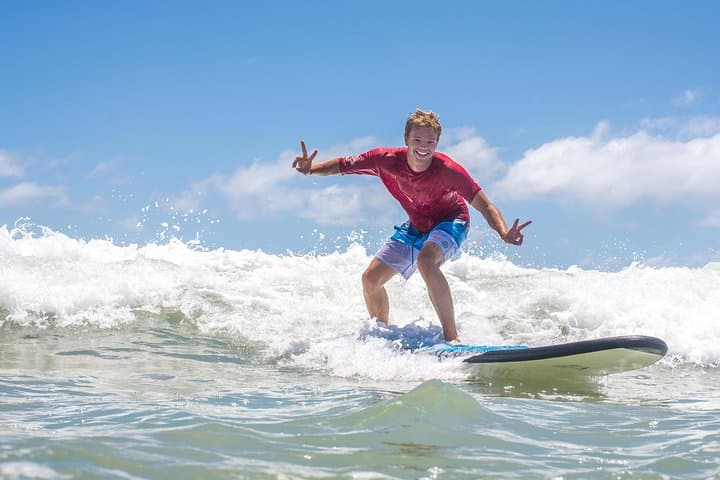
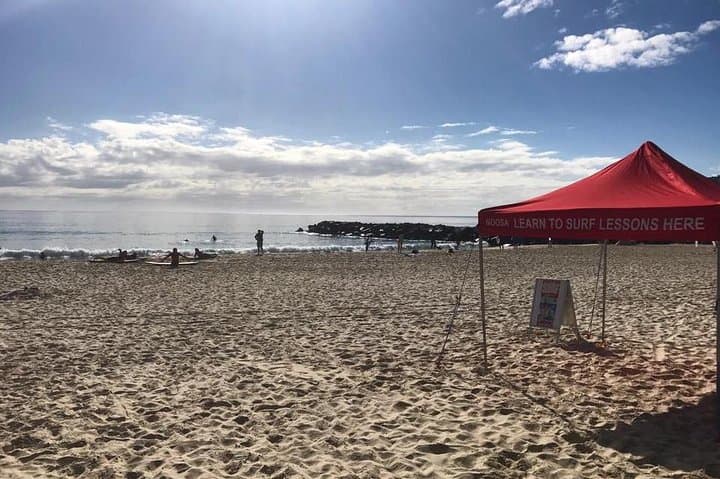
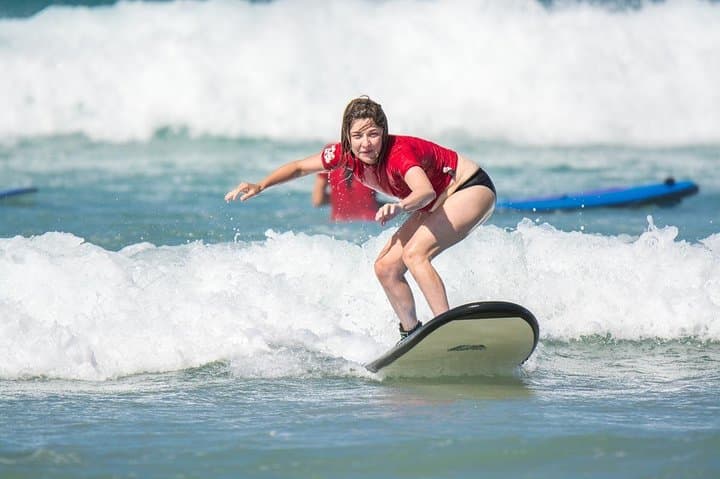
Salt tang and the steady hiss of small breaking waves put you on edge in a way that feels like promise rather than danger. At Noosa Main Beach the swell often arrives in soft, runnable lines that give beginners time to read the wave as coaches shout instructions from knee-deep water. The lesson begins on the sand — stance, pop-up, board control — then moves into sheltered, waist-to-chest deep water where instructors pace practice toward standing and riding.
Salt tang and the steady hiss of small breaking waves put you on edge in a way that feels like promise rather than danger. At Noosa Main Beach the swell often arrives in soft, runnable lines that give beginners time to read the wave as coaches shout instructions from knee-deep water. The lesson begins on the sand — stance, pop-up, board control — then moves into sheltered, waist-to-chest deep water where instructors pace practice toward standing and riding.
Geology here favors sand-bottom breaks framed by the Noosa Headland to the west and a shallow bar system that organizes small surf into predictable peaks. The coast sits within the traditional country of the Kabi Kabi (Gubbi Gubbi) people; surfing and fishing are long-standing local pastimes that shaped coastal life long before tourism. Modern Noosa has a strong surf-education culture focused on safety and reef/rescue awareness.
Practical guide: group lessons run daily at 9:00am and 1:30pm and last two hours — meet at the appointed point for board and rash vest distribution. Minimum age is 7 and students must be able to swim about 25 meters unassisted. All equipment is included; instructors tailor progression with a 1-2-3 teaching method aimed at getting many students standing in a single session. Expect sand, sun, and salt; bring a towel, water, and reef-safe sunscreen. Lessons operate 364 days a year but will cancel for unsafe surf.
On any given session you’ll trade routine for an immediate curriculum of wave reading and balance — practical, repeatable skills that translate across beaches and seasons.