THE ADVENTURE COLLECTIVE® · Independent discovery and booking for outdoor travel

Mercer Labs pairs cutting-edge sound and LED installations with interactive tech to reshape how you experience art. Spend 60–90 minutes moving through multi-sensory rooms where projection, light, and touch create a hands-on urban playground.
Mercer Labs pairs cutting-edge sound and LED installations with interactive tech to reshape how you experience art. Spend 60–90 minutes moving through multi-sensory rooms where projection, light, and touch create a hands-on urban playground.
You step off the sidewalk into a low hum of light and vibration — the city’s pace thins to a single current that carries you through the Window, a portal that readies your senses for the installations ahead.
Verified experiences and guided adventures in the surrounding area.
Operated by Mercer Labs · New York, New York
You step off the sidewalk into a low hum of light and vibration — the city’s pace thins to a single current that carries you through the Window, a portal that readies your senses for the installations ahead.
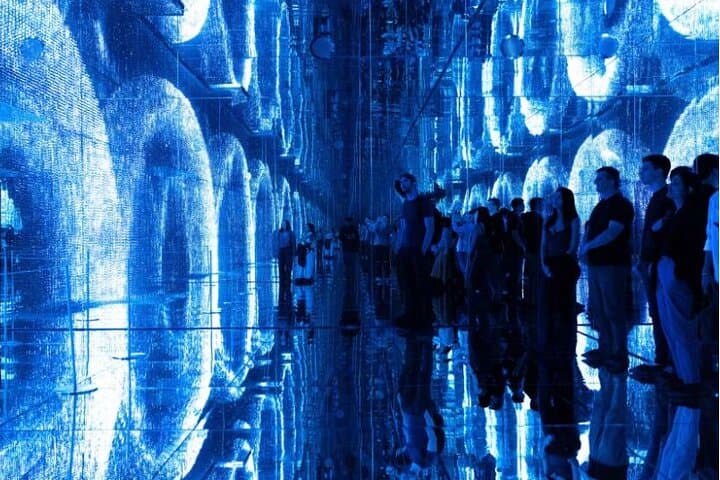
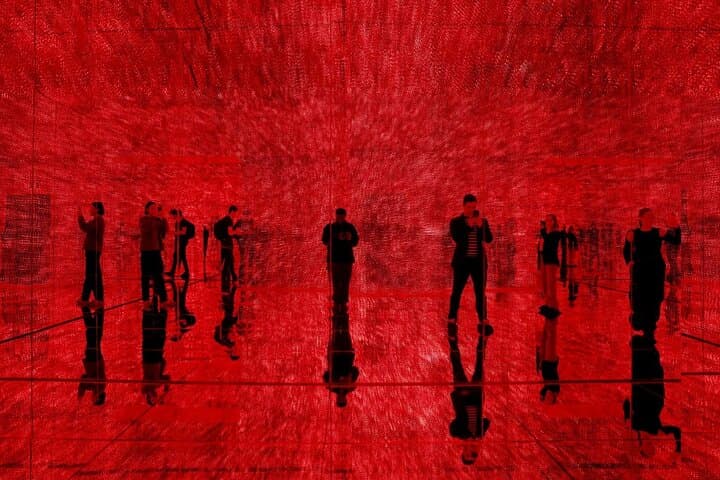
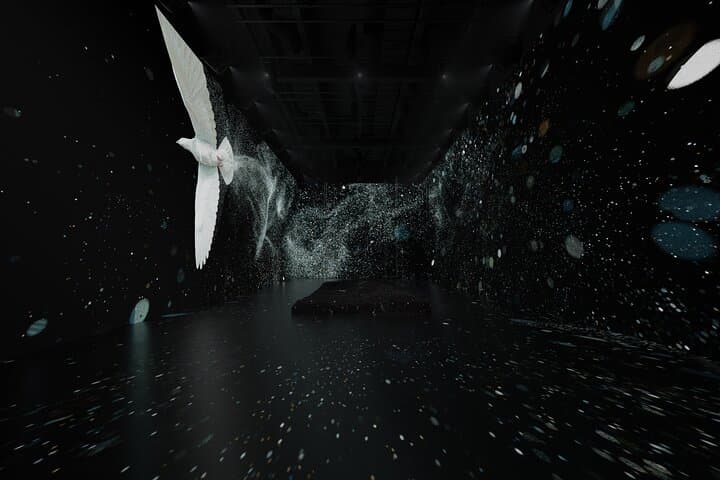
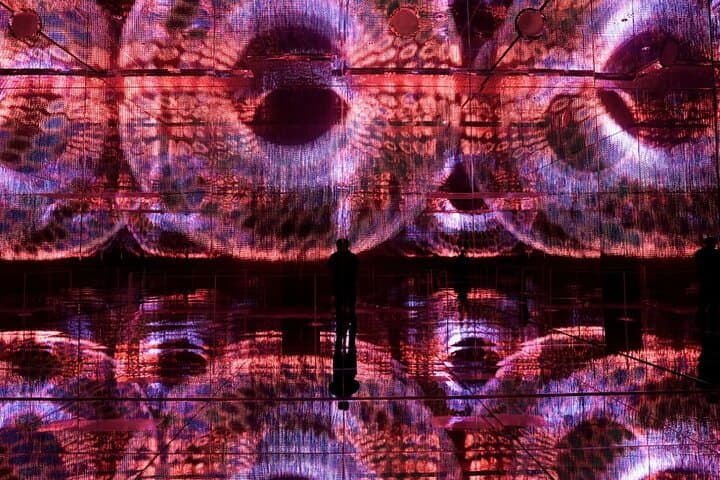
Mercer Labs occupies several levels in downtown Manhattan and presents art as engineered experience: laser-mapped projections, omnidirectional 4D sound, and rooms lit by hundreds of thousands of LEDs. The Dragon Room’s light field feels like a living organism, while the Map Room uses 16K projections to redraw depth and scale.
The museum sits at the intersection of contemporary art and emergent tech, drawing on a tradition in New York of experimental galleries and sensory performance. It features work by contemporary artists such as Roy Nachum and includes interactive stations that convert simple drawings into animated 3D video — a nod to both digital craft and public participation.
Practical guide: plan 60–90 minutes; ticketing is mobile-friendly and the space is fully wheelchair accessible. Expect dimmed rooms, loud multi-channel audio, and tactile installations — bring ear protection if you’re sound sensitive. Weeknights and early mornings are less crowded; peak times are weekend afternoons. Public transit drops you within a few blocks, and coat checks or small lockers may be limited, so travel light.
Tips for your visit: move deliberately between rooms to let your ears and eyes reset, reserve time for the interactive drawing station, and keep phones charged for the scanning experience. The museum rewards curiosity: let the sound push you forward and the light redirect what you thought you knew about scale.
easy.
1–1.5 hours.
Suitable for all fitness levels; involves standing and light walking across multiple rooms.
Most visitors spend 60–90 minutes exploring the installations, with extra time for interactive stations or to revisit favorite rooms.
Yes — the space and surfaces are wheelchair accessible and strollers are allowed; staff can assist with access needs.
Photography is generally allowed unless otherwise posted in specific installations; avoid flash and follow staff directions for sensitive exhibits.
Walk-up availability varies; advance mobile tickets guarantee entry, especially on weekends and evenings.
Mercer Labs continues Manhattan’s history of experimental galleries by blending contemporary visual art with audio engineering and interactive tech, featuring works by artists like Roy Nachum.
Installations rely heavily on LED and digital tech; visitors can reduce impact by avoiding unnecessary prints, following museum guidelines, and disposing of waste responsibly.
Mercer Labs operates guided outdoor trips and adventures with an emphasis on safety, stewardship, and memorable experiences.
You step off the sidewalk into a low hum of light and vibration — the city’s pace thins to a single current that carries you through the Window, a portal that readies your senses for the installations ahead.
You step off the sidewalk into a low hum of light and vibration — the city’s pace thins to a single current that carries you through the Window, a portal that readies your senses for the installations ahead.
Mercer Labs occupies several levels in downtown Manhattan and presents art as engineered experience: laser-mapped projections, omnidirectional 4D sound, and rooms lit by hundreds of thousands of LEDs. The Dragon Room’s light field feels like a living organism, while the Map Room uses 16K projections to redraw depth and scale.
The museum sits at the intersection of contemporary art and emergent tech, drawing on a tradition in New York of experimental galleries and sensory performance. It features work by contemporary artists such as Roy Nachum and includes interactive stations that convert simple drawings into animated 3D video — a nod to both digital craft and public participation.
Practical guide: plan 60–90 minutes; ticketing is mobile-friendly and the space is fully wheelchair accessible. Expect dimmed rooms, loud multi-channel audio, and tactile installations — bring ear protection if you’re sound sensitive. Weeknights and early mornings are less crowded; peak times are weekend afternoons. Public transit drops you within a few blocks, and coat checks or small lockers may be limited, so travel light.
Tips for your visit: move deliberately between rooms to let your ears and eyes reset, reserve time for the interactive drawing station, and keep phones charged for the scanning experience. The museum rewards curiosity: let the sound push you forward and the light redirect what you thought you knew about scale.