THE ADVENTURE COLLECTIVE® · Independent discovery and booking for outdoor travel

Walk a karst blade through Aleppo pines to a centuries-old oak and a 16th-century hermitage in Alta Murgia National Park. This compact, 3-hour excursion pairs geology, local history, and a taste of goat’s-milk yogurt at a forest cheese bar.
Walk a karst blade through Aleppo pines to a centuries-old oak and a 16th-century hermitage in Alta Murgia National Park. This compact, 3-hour excursion pairs geology, local history, and a taste of goat’s-milk yogurt at a forest cheese bar.
You step off the lane and the forest takes hold: Aleppo pines press shadow across the track, cypress silhouettes puncture the sky, and the limestone underfoot clicks like dry bone. The path follows a karst blade typical of the Murgia plateau — a narrow, stony ridge carved by water over millennia — that drops away to reveal the trunk of a monumental, centuries-old oak guarding a small hollow.
Verified experiences and guided adventures in the surrounding area.
Operated by Viandanti del Sud · Cassano delle Murge, Puglia
You step off the lane and the forest takes hold: Aleppo pines press shadow across the track, cypress silhouettes puncture the sky, and the limestone underfoot clicks like dry bone. The path follows a karst blade typical of the Murgia plateau — a narrow, stony ridge carved by water over millennia — that drops away to reveal the trunk of a monumental, centuries-old oak guarding a small hollow.
This short hike threads natural history and human traces. The Murgia is a karst landscape of dolines, caves and sinkholes formed in soft limestone; local shepherding and dry-stone agriculture shaped the mosaic of fields and oak copses you cross. The Hermitage of St. Anthony, dating to the 1500s, stands nearby with an ancient cistern that hints at how people captured scarce water in this porous land.
On a practical level the route is compact and rewarding: roughly 6–8 km round-trip on uneven limestone and packed-earth tracks, with small elevation changes but sharp rocky steps. Expect warm sun on exposed stretches and deep shade beneath pines. Wildlife is discreet — kestrels quarter the thermals above while hares slip through scrub.
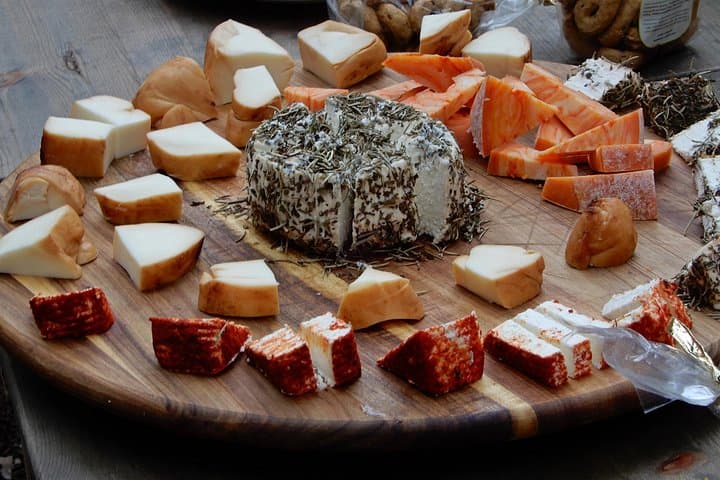
Bring sturdy footwear, at least 1.5 liters of water, and sun protection. Plan the walk for morning or late afternoon in summer to avoid the heat; spring and autumn offer the most comfortable temperatures and blooming grasslands. The final pause often lands at a rustic cheese bar where fresh goat yogurt provides a simple, local finish. Stick to marked paths, carry out waste, and leave the oak and hermitage as you found them.
moderate.
2–3 hours.
Good for travelers with moderate fitness able to handle uneven terrain and short rocky climbs
The guided excursion runs about 2–3 hours over roughly 6–8 km with moderate footing—suitable for those used to uneven trails.
The tour visits the hermitage exterior and cistern; interior access is limited and depends on preservation rules.
The route is stroller-accessible in parts but includes uneven rocky stretches; infants in carriers are easiest—check with your operator about very young children.
A post-hike treat of local goat yogurt at a forest cheese bar is offered, but bring personal snacks if you need more fuel during the walk.
The Hermitage of St. Anthony dates to the 16th century, reflecting monastic and rural practices of water collection and isolated worship on the Murgia.
Alta Murgia is a protected area; visitors should avoid off-trail travel to protect karst features and archaeological traces and follow leave-no-trace principles.
Viandanti del Sud operates guided outdoor trips and adventures with an emphasis on safety, stewardship, and memorable experiences.
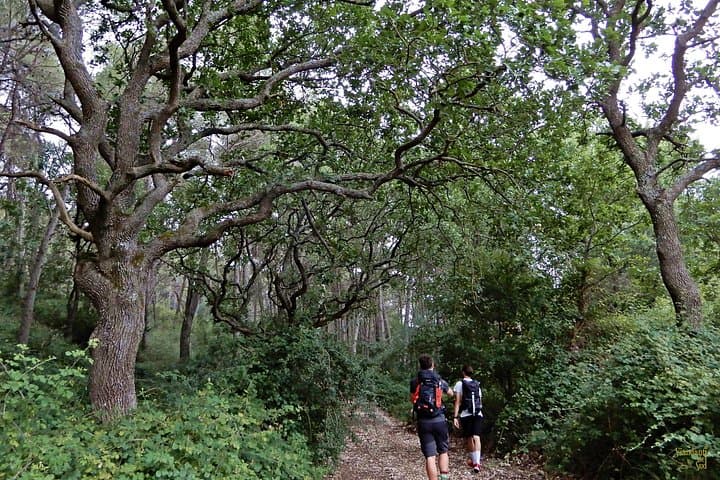
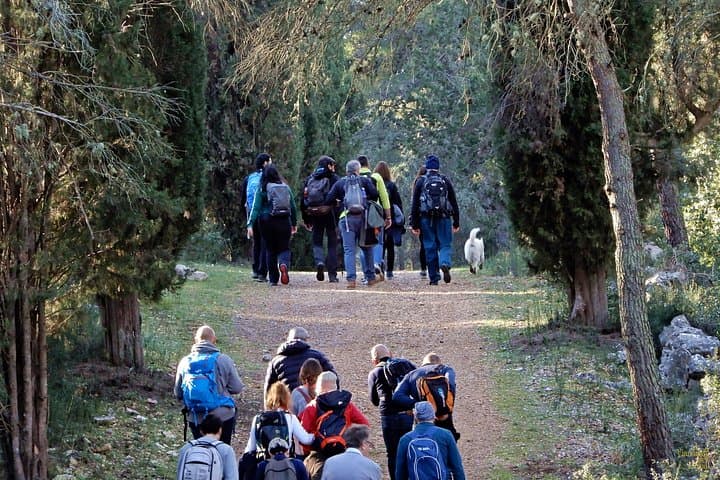
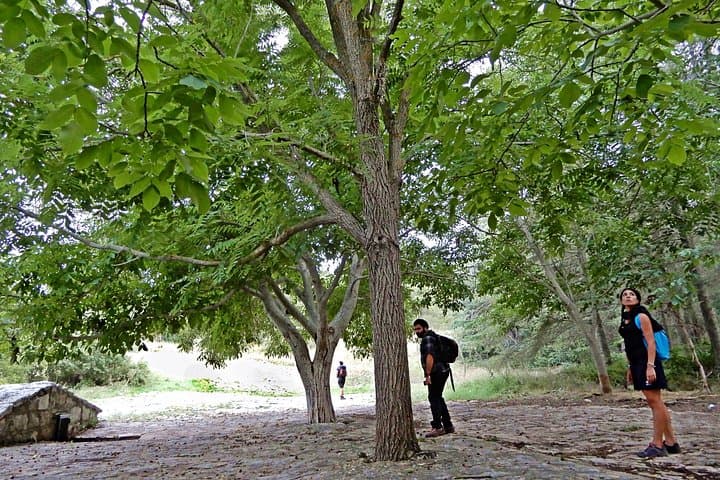
You step off the lane and the forest takes hold: Aleppo pines press shadow across the track, cypress silhouettes puncture the sky, and the limestone underfoot clicks like dry bone. The path follows a karst blade typical of the Murgia plateau — a narrow, stony ridge carved by water over millennia — that drops away to reveal the trunk of a monumental, centuries-old oak guarding a small hollow.
You step off the lane and the forest takes hold: Aleppo pines press shadow across the track, cypress silhouettes puncture the sky, and the limestone underfoot clicks like dry bone. The path follows a karst blade typical of the Murgia plateau — a narrow, stony ridge carved by water over millennia — that drops away to reveal the trunk of a monumental, centuries-old oak guarding a small hollow.
This short hike threads natural history and human traces. The Murgia is a karst landscape of dolines, caves and sinkholes formed in soft limestone; local shepherding and dry-stone agriculture shaped the mosaic of fields and oak copses you cross. The Hermitage of St. Anthony, dating to the 1500s, stands nearby with an ancient cistern that hints at how people captured scarce water in this porous land.
On a practical level the route is compact and rewarding: roughly 6–8 km round-trip on uneven limestone and packed-earth tracks, with small elevation changes but sharp rocky steps. Expect warm sun on exposed stretches and deep shade beneath pines. Wildlife is discreet — kestrels quarter the thermals above while hares slip through scrub.
Bring sturdy footwear, at least 1.5 liters of water, and sun protection. Plan the walk for morning or late afternoon in summer to avoid the heat; spring and autumn offer the most comfortable temperatures and blooming grasslands. The final pause often lands at a rustic cheese bar where fresh goat yogurt provides a simple, local finish. Stick to marked paths, carry out waste, and leave the oak and hermitage as you found them.